Tesla Full Self-Driving Approved in Netherlands: What It Means
Tesla Full Self-Driving has officially been approved in the Netherlands, making it the first European country to allow the supervised version of the technology on public roads. For drivers wondering what this means, the update allows Tesla vehicles to use advanced driver assistance features while still requiring human oversight. This move signals growing confidence in autonomous driving systems and could open the door for similar approvals across Europe in the near future.
Why the Netherlands Approved Tesla Full Self-Driving
Regulators in the Netherlands are known for taking a progressive but safety-first approach to emerging technologies. Approval of Tesla Full Self-Driving comes after extensive testing and evaluation of how the system performs in real-world conditions. Authorities focused heavily on driver responsibility, ensuring that the system remains supervised rather than fully autonomous.
Tesla’s system uses a combination of cameras, sensors, and AI-driven software to assist with steering, lane changes, and navigation. However, drivers must remain alert and ready to take control at any time. This balance between innovation and safety played a key role in gaining regulatory approval.
What “Supervised” Full Self-Driving Really Means
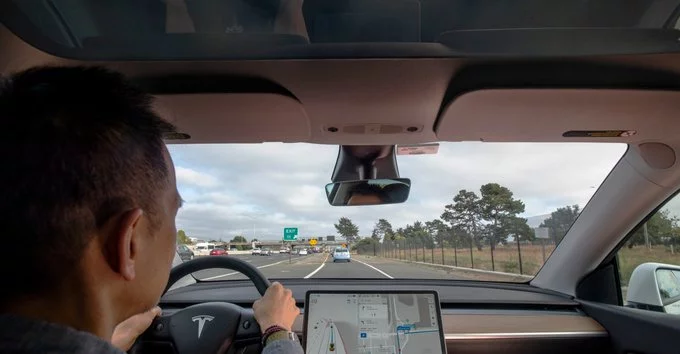
Despite the name, Tesla Full Self-Driving is not fully autonomous. The “supervised” label is critical and highlights that the driver is still in charge of the vehicle at all times. The system can handle many driving tasks, but it is not designed to replace human judgment completely.
Drivers using the feature will notice improved navigation, automatic lane changes, and better handling of complex road scenarios. Still, hands must remain on the wheel, and attention must stay on the road. This distinction is essential as regulators across Europe continue to evaluate the safety of autonomous technologies.
A Major Step Toward EU-Wide Approval
The Netherlands’ decision could serve as a blueprint for other European countries considering similar approvals. European regulators often move cautiously, especially when it comes to technologies that impact public safety. However, one country’s approval can influence broader discussions across the region.
If Tesla Full Self-Driving proves reliable and safe in the Netherlands, it may accelerate adoption in neighboring countries. This could eventually lead to a more unified regulatory framework for autonomous driving across the European Union, benefiting both manufacturers and consumers.
How This Impacts Tesla Drivers and Buyers
For Tesla owners in the Netherlands, this approval unlocks new capabilities that were previously restricted. Drivers can now experience a more advanced level of automation, making long trips and daily commutes more convenient. The update also adds value to Tesla vehicles already equipped with the Full Self-Driving package.
Potential buyers may also see this as a sign of future-proof technology. As more regions approve similar systems, Tesla vehicles could become even more appealing to those interested in cutting-edge automotive innovation. This approval reinforces Tesla’s position as a leader in the autonomous driving space.
The Bigger Picture for Autonomous Driving
Tesla Full Self-Driving’s approval in the Netherlands represents more than just a regional milestone. It reflects a broader shift toward acceptance of AI-powered transportation solutions. Governments and regulators are beginning to recognize the potential benefits, including improved road safety and reduced driver fatigue.
However, challenges remain. Public trust, regulatory alignment, and technological reliability will all play crucial roles in shaping the future of autonomous driving. While fully driverless cars may still be years away, supervised systems like Tesla’s are paving the path forward.
What Happens Next
Attention now turns to how Tesla Full Self-Driving performs under real-world conditions in the Netherlands. Regulators will likely monitor usage closely, gathering data to assess safety and effectiveness. Positive results could fast-track approvals in other European markets.
For now, this development marks a significant milestone in the journey toward autonomous mobility. Tesla Full Self-Driving is no longer just a concept or limited feature—it’s becoming a reality on European roads, starting with the Netherlands.










Comment