
Alerts
-
5 minutes, 34 seconds
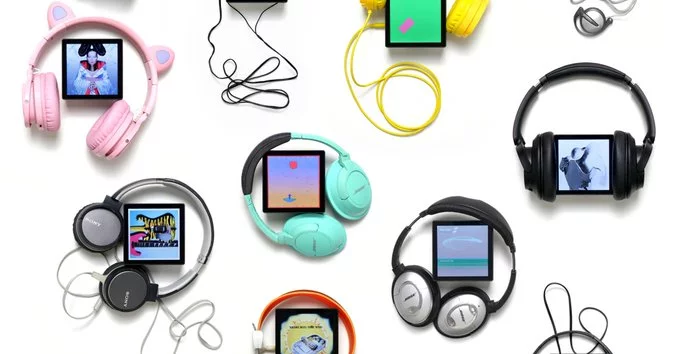
In 2026, conversations about a possible new iPod are resurfacing as consumers grow weary of smartphone overload and rising subscription costs. Search trends show increasing interest in dedicated music players that offer simplicity, offline listening, and ownership of content. The question many are asking is whether Apple—or any hardware startup—could successfully revive the idea of a modern iPod. Amid this shift, companies like Sleevenote are betting that music-first devices still have a place in a streaming-dominated world. Analysts say this shift mirrors a broader push toward digital minimalism. Consumer behavior continues evolving toward intentional, simplified media consumption habits.
Search interest in a new iPod reflects a broader sense of smartphone fatigue. Many users feel their phones have become overloaded with apps, notifications, and constant connectivity demands. A dedicated music device promises a distraction-free listening experience without social media interruptions. This nostalgia is not just about the past but about reclaiming focus in daily life. As a result, the idea of a simpler, music-only gadget is gaining traction again. This trend is especially visible among younger users seeking focus. Offline listening appeals strongly in low-connectivity environments.
Subscription fatigue is becoming a major driver behind renewed interest in offline-first devices. Music streaming platforms have made access easier, but they have also created ongoing monthly costs that add up over time. Some users now prefer owning their music libraries again instead of renting access. A new iPod-like device could bridge this gap by combining modern storage with local playback. This shift highlights a growing desire for ownership in the digital age. Industry observers see this as a reaction to subscription overload. It also aligns with growing digital wellness movements.
While major tech companies have shifted focus toward ecosystems and services, smaller hardware startups are exploring niche opportunities. Sleevenote is one example of a company rethinking how people experience music on dedicated devices. Instead of competing with smartphones, these startups aim to complement them with focused hardware. Their vision centers on reducing distractions while improving listening quality and intentionality. This approach suggests there is still room for innovation in personal audio devices. Portability and simplicity remain key selling points for these devices. Some prototypes already hint at this direction.
A modern new iPod would need to offer more than nostalgia to succeed in today’s market. Users expect seamless syncing, large storage, and integration with current music ecosystems. At the same time, it must avoid becoming another subscription-heavy device. Offline-first design and long battery life could be key differentiators. The challenge lies in balancing simplicity with enough functionality to compete with smartphones. Designers must also consider affordability to reach wider audiences.
At the core of renewed interest in music players is a desire for ownership and simplicity. Consumers are increasingly frustrated with fragmented digital ecosystems that require multiple subscriptions. A dedicated device offers a sense of control over personal media libraries. It also reduces the cognitive load of constant notifications and algorithm-driven recommendations. This makes the concept of a new iPod more about lifestyle than technology alone. Even so brand loyalty and ecosystem lock-in remain challenges. This dynamic shapes product strategy in the audio sector.
The future of music-first hardware will depend on how well it addresses modern digital fatigue. If companies can deliver a seamless, offline-friendly experience, demand may continue to grow. However, competition from smartphones remains a significant barrier. Success will likely depend on targeting users who prioritize focus and ownership over convenience. The conversation around a new iPod is ultimately a reflection of changing digital habits. Early adopters may determine whether the category regains momentum. Market timing will be crucial for long-term viability in emerging hardware markets and consumer adoption cycles.








Comment