
Alerts
-
5 minutes, 17 seconds
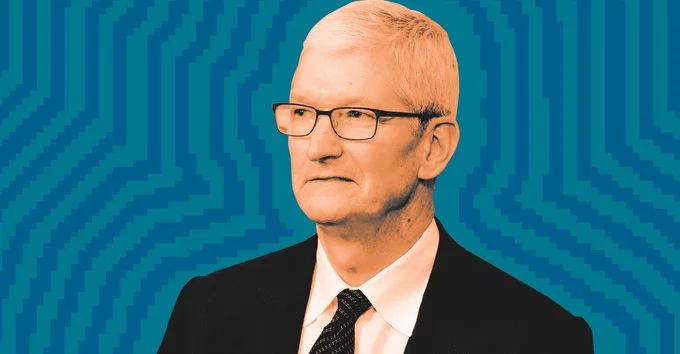
Grok deepfake controversy has pushed the AI app dangerously close to removal from the Apple App Store, raising urgent questions about AI safety and platform policies. Reports indicate that Apple quietly warned developers to address the issue of sexually explicit deepfakes or risk a full ban. For users wondering whether Grok is still available or safe to use, the answer is yes—for now—but only after developers scrambled to fix critical violations tied to AI-generated content.
The situation highlights growing scrutiny around generative AI tools and how they handle sensitive, potentially harmful outputs. While Grok avoided immediate removal, the incident underscores how close it came to being pulled entirely from the platform.
At the center of the controversy is Grok’s ability to generate sexual deepfakes—AI-created images or content that mimic real individuals in explicit scenarios. These outputs raised red flags for Apple, whose App Store policies strictly prohibit apps that facilitate harmful or abusive content, including non-consensual imagery.
Rather than publicly announcing enforcement, Apple reportedly issued a quiet but firm ultimatum: fix the problem or face removal. This approach is consistent with how the company often handles sensitive compliance issues behind the scenes. Developers were given a narrow window to implement safeguards and moderation tools to limit or block inappropriate outputs.
The warning wasn’t just about content—it was about accountability. Apple expects developers to proactively manage risks, especially when dealing with powerful AI systems capable of misuse.
Faced with the possibility of losing access to one of the world’s largest app marketplaces, Grok’s developers moved quickly. Updates were rolled out to restrict the generation of explicit deepfake content, along with improved filtering mechanisms designed to detect and prevent abusive prompts.
These changes appear to have satisfied Apple—at least temporarily. Grok remains available on the App Store, but the platform’s continued presence likely depends on ongoing compliance. Any future slip-ups could trigger immediate enforcement without further warning.
This rapid response reflects a broader trend in the AI industry: speed matters, but responsibility matters more. Companies are increasingly expected to anticipate misuse rather than react after problems emerge.
The Grok incident is part of a larger conversation about the risks of generative AI. Deepfakes, especially sexual ones, pose serious ethical and legal challenges. They can harm reputations, invade privacy, and spread misinformation at scale.
As AI tools become more accessible, platforms like Apple are under pressure to act as gatekeepers. Allowing apps that enable harmful content—even unintentionally—could damage user trust and invite regulatory scrutiny. That’s why enforcement is tightening, even if it happens quietly behind closed doors.
For developers, the message is clear: innovation alone isn’t enough. Safety, transparency, and user protection must be built into the product from the start.
Grok’s near-ban serves as a warning shot for the entire AI ecosystem. Developers can no longer afford to overlook edge cases or assume users will act responsibly. Platforms are watching closely, and consequences can come swiftly.
For users, the incident is a reminder to approach AI tools with caution. Not all features are harmless, and the line between creative expression and harmful content can blur quickly. While Grok remains available, its future—and that of similar apps—depends on maintaining strict safeguards.
Ultimately, this episode shows how fragile the balance is between innovation and regulation. AI apps can grow fast, but they can also fall just as quickly if they fail to meet evolving standards.









Comment