
Trending
Trending Hashtags
Alerts
-
7 minutes, 36 seconds
Get Stuff Done by Yelling at Your Phone sounds like a joke, but it’s quickly becoming one of the most practical ways people manage work, ideas, and daily chaos. Voice-powered productivity tools are improving fast, letting users turn scattered thoughts into structured plans in seconds. Many people now ask the same questions: Do voice tools really work, can they replace typing, and are they reliable for serious tasks? This week’s tech highlights suggest the answer is leaning strongly toward yes. From experimental smartphones to clever audio-driven apps, everyday technology is quietly reshaping how people stay organized.
Short weeks tend to surface the most interesting tools. When time feels limited, anything that removes friction suddenly feels essential. That’s where this wave of voice-first and multitasking tech stands out.
Talking to your phone used to feel awkward. Now, it feels efficient. Modern voice-based task tools allow users to record free-flowing thoughts without worrying about structure or grammar. The software sorts ideas into projects, deadlines, and reminders automatically, saving time and mental energy.
What makes these tools valuable isn’t just accuracy but trust. Users can speak naturally, jump between ideas, and still end up with a clean to-do list. That shift matters for busy professionals, creatives, and anyone whose best ideas arrive uninvited. Instead of stopping to type, they just talk and move on.
This approach also lowers the barrier to productivity. You don’t need perfect organization skills. You just need a voice and a few seconds of honesty with your phone.
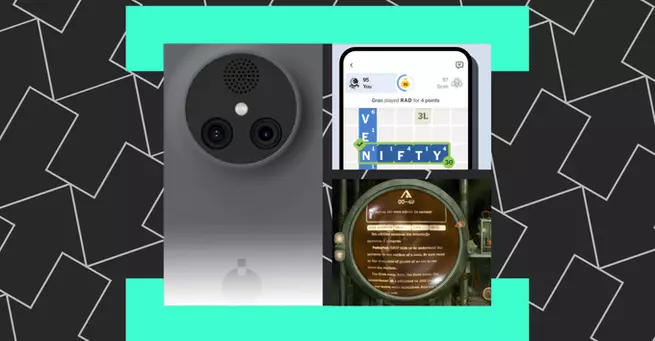
One of the most talked-about devices this week is a smartphone that runs three operating systems on a single device. On the surface, that sounds excessive. In practice, it hints at a future where phones double as full computers.
The idea is simple but ambitious. One operating system handles daily mobile tasks, another supports desktop-style workflows, and a third opens the door to advanced customization. Plug the phone into a monitor, and it becomes a workstation. Unplug it, and it’s back in your pocket.
While this type of device isn’t for everyone yet, it challenges long-standing assumptions. Phones no longer need to be limited tools. For travelers, remote workers, and minimalists, a single device doing everything could be transformative.
Productivity isn’t just about tools. Environment matters too. Curated soundtracks designed for focus are becoming a quiet staple of modern workdays. Instead of generic background noise, these audio experiences are designed to keep the brain engaged without distraction.
What’s interesting is how intentional these soundtracks feel. They’re not just music but companions to deep work. Many people report longer focus sessions and fewer interruptions when sound is carefully chosen.
This trend highlights a broader shift. Productivity is no longer just about efficiency. It’s about creating conditions where work feels sustainable and even enjoyable.
Open-ear audio devices are gaining attention for a simple reason: awareness. Unlike traditional earbuds, these designs let sound coexist with the real world. Users can listen to music or calls while staying aware of surroundings.
For commuters, runners, and parents, this balance is appealing. You don’t have to choose between connection and safety. The sound quality continues to improve, making the trade-off less noticeable.
As these devices evolve, they’re redefining how audio fits into daily routines. Listening no longer means disconnecting. It means layering digital sound onto real life.
Quick games designed for daily play are becoming a popular way to reset the mind. These experiences are short, clever, and easy to share. They don’t demand hours of commitment, which makes them perfect for breaks between tasks.
What keeps people coming back is consistency. A new challenge every day creates a ritual without pressure. It’s entertainment that respects time rather than consuming it.
This format reflects how people now approach leisure. Small moments matter. A few minutes of fun can refresh focus more effectively than scrolling endlessly.
Smart glasses are quietly re-entering the conversation, this time with more restraint. Instead of trying to replace phones, they focus on simple enhancements like notifications, quick photos, and hands-free information.
The appeal lies in subtlety. These devices don’t demand attention. They blend into daily life, offering help only when needed. That design philosophy feels aligned with modern tech fatigue.
As wearables mature, the most successful ones may be those that do less but do it well.
Get Stuff Done by Yelling at Your Phone works because it respects how people actually think. Thoughts are messy. Schedules change. Energy fluctuates. Voice tools meet users where they are instead of forcing rigid systems.
Combined with flexible devices, ambient audio, and thoughtful design, productivity is becoming more human. Technology is no longer just about speed. It’s about reducing friction and mental load.
The most exciting part is how quietly this shift is happening. No grand announcements. Just tools that work a little better every week. And sometimes, all it takes to stay on track is speaking up.







Comment