
Alerts
-
2 minutes, 46 seconds
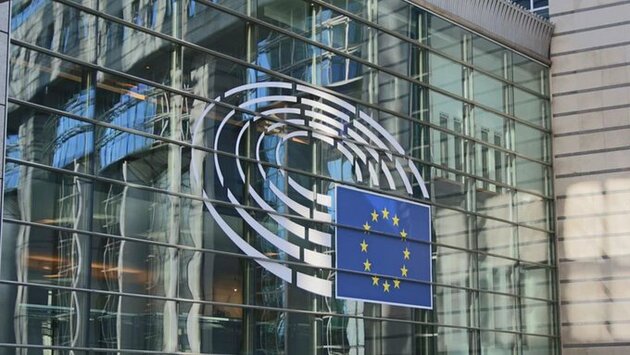
The EU Data Decryption Roadmap: What You Need to Know
The EU data decryption roadmap aims to give law enforcement agencies legal access to encrypted data by 2030. This plan is part of the broader ProtectEU strategy, first introduced in April 2025, which outlines how the European Commission wants to combat crime in the digital age. But privacy advocates are already sounding alarms, warning that this move could put citizens’ personal data and communications at serious risk.
Inside the EU’s Plan to Decrypt Private Data
The roadmap presented on June 24, 2025, details how the EU intends to ensure “lawful and effective” access to digital information. Central to the strategy is the desire to overcome barriers created by end-to-end encryption—a technology that secures messages, files, and online activity using tools like VPNs and encrypted messaging apps. Law enforcement claims these tools are hampering investigations, citing them as the biggest technical challenge in criminal probes.
Key Areas of the EU Data Decryption Roadmap
The plan targets six major areas:
Data Retention – The Commission will assess extending retention rules across Europe.
Lawful Interception – It seeks improved cross-border collaboration by 2027.
Digital Forensics – Authorities aim to build better tools to recover and analyze digital evidence.
Decryption – A new tech roadmap in 2026 will explore decrypting solutions, with Europol expected to implement them by 2030.
Standardisation – The EU plans to work closely with Europol and tech stakeholders to set unified standards.
Cooperation with Service Providers – Boosting collaboration between tech companies and law enforcement will be a central theme.
Why Privacy Experts Are Worried
While the EU insists the goal is to enhance public safety, privacy experts argue the EU data decryption roadmap could create dangerous backdoors into secure platforms. Critics say weakening encryption—even for police access—could expose everyone to increased risks of hacking, surveillance, and data misuse. If implemented, this roadmap may set a global precedent, with sweeping consequences for personal freedom and digital rights.










Comment