
Alerts
-
3 minutes, 12 seconds
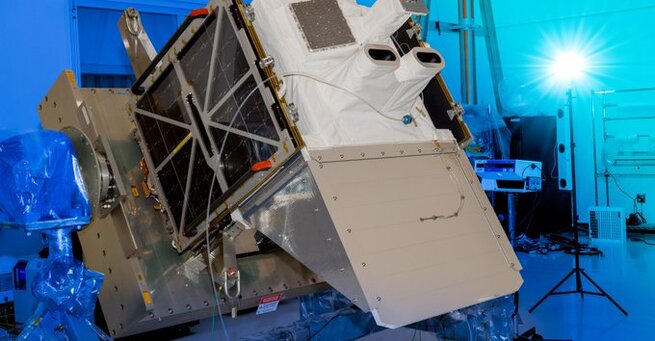
Bezos-funded climate satellite lost in space after power failure
A major setback has hit climate surveillance efforts as the Bezos-funded MethaneSat has gone dark just months after launch. Built to detect methane pollution from oil and gas operations globally, MethaneSat was expected to transform how we hold fossil fuel companies accountable. With methane being over 80 times more potent than carbon dioxide in the short term, accurate tracking is crucial to combating climate change. Sadly, the $88 million satellite, supported by a $100 million grant from the Bezos Earth Fund, is now considered "likely not recoverable," according to the Environmental Defense Fund (EDF).
Why the Bezos-funded climate satellite mattered
MethaneSat was designed to detect invisible methane leaks from oil wells, pipelines, and other fossil fuel infrastructure. Traditional detection methods, such as aircraft surveys and ground equipment, took hours and offered limited coverage. MethaneSat, however, promised high-speed detection from orbit, surveying vast areas in seconds. With the ability to complete an Earth orbit every 95 minutes, it could monitor regions responsible for over 80% of global oil and gas production. EDF’s past work showed U.S. methane emissions were underestimated by 60%, so a tool like MethaneSat was vital for accurate accountability.
What caused the MethaneSat failure
Mission operators lost contact with MethaneSat on June 20, 2025, citing a complete loss of power. Despite EDF's collaboration with the New Zealand Space Agency and Google—which had developed AI tools to analyze satellite imagery—the mission may now be unrecoverable. It’s a massive blow not just to the climate science community but also to public and private partnerships aimed at transparency and emissions reduction. The satellite's failure highlights the risks involved in pioneering space-based environmental monitoring.
What happens next for methane monitoring
Although MethaneSat’s mission was cut short, EDF is still processing the data it collected before going silent. That information could still aid efforts to reduce methane emissions in the near term. Meanwhile, Google and EDF may repurpose the AI models developed for MethaneSat, applying them to other satellite sources. Still, the loss underscores the urgency for redundant and resilient systems in climate tech—especially as the world races to limit warming. Future missions, if funded and launched, must build on MethaneSat’s legacy with more safeguards and perhaps wider global support










Comment