A fire can develop differently depending on the building, the materials inside it, and the activities taking place there. A small office, warehouse, hospital, or industrial facility may each require a different approach to fire safety. This is why building protection usually involves several measures rather than relying on one piece of equipment.
Modern
Fire Fighting Systems are designed to detect, control, suppress, or help people respond to fire. Understanding how these systems work makes it easier for building owners, facility managers, and occupants to recognise the purpose of each safety measure and how the different systems can work together.
1. What Is a Fire Fighting System?
A fire fighting system is a planned arrangement of equipment and components used to control or extinguish fires and support emergency response. The exact arrangement depends on the building's size, occupancy, construction, available water supply, and the types of hazards present.
Some systems operate automatically, while others require people to operate them during an emergency. Water-based installations, portable extinguishers, hydrant arrangements, and specialised suppression systems can all have different roles within a building.
The main objective is to provide an appropriate response to a fire before it can cause greater harm.
2. How Do Water-Based Fire Fighting Systems Work?
Water is widely used for controlling many ordinary combustible-material fires because it absorbs heat and helps reduce the temperature of burning materials. Buildings with suitable water supplies may use several types of water-based protection.
A sprinkler system releases water when individual sprinkler heads reach their designed activation temperature. A hydrant or hose system provides water through designated outlets that trained responders can operate. These arrangements are designed according to the building and its expected fire risk.
Water-based protection is not automatically suitable for every hazard. The materials involved and the nature of the fire must be considered before selecting a system.
3. What Role Do Fire Extinguishers Play?
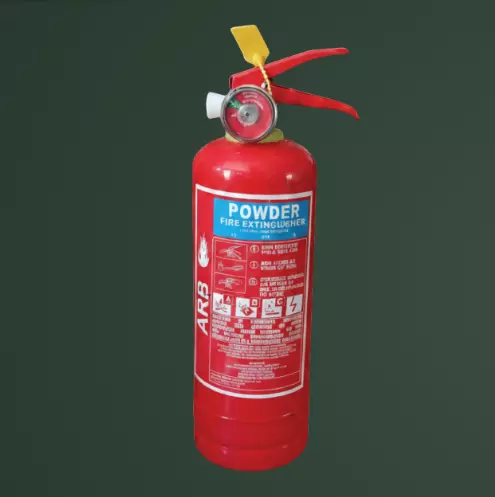
Portable extinguishers provide a means of dealing with a small fire during its early stage. They are available with different extinguishing agents because not every extinguishing medium is suitable for every type of fire.
For example, water-based extinguishers may be appropriate for certain ordinary combustible materials, while carbon dioxide extinguishers are commonly associated with particular electrical and flammable-liquid risks. Employees should know the limitations of the equipment available in their workplace.
A portable extinguisher should only be used when the fire is small, the correct extinguisher is available, and the person can act without placing themselves in danger.
4. When Are Specialised Suppression Systems Required?
Some environments contain hazards that cannot be addressed effectively with ordinary water-based protection. Commercial kitchens, server rooms, industrial processes, and areas containing certain flammable materials may require specialised suppression arrangements.
These systems are selected according to the specific hazard. Their design can involve detection devices, control equipment, discharge mechanisms, and a suitable extinguishing agent.
A proper risk assessment is important because choosing a suppression method without understanding the hazard can result in inadequate protection or an unsuitable response.
5. Why Are Hydrant and Hose Systems Used in Larger Buildings?
Larger buildings may require dedicated firefighting water outlets so trained emergency personnel can access water closer to the location of a fire. Hydrant systems, hose reels, pumps, storage tanks, valves, and associated pipework can form part of this arrangement.
The design depends on factors such as building height, floor layout, water demand, and the distance responders may need to travel. These systems require regular inspection because blocked outlets, damaged hoses, faulty valves, or inadequate water pressure can affect their performance.
A building's firefighting arrangement should always be planned around its actual structure and risk profile.
6. How Does Maintenance Affect Fire Fighting System Readiness?
A system cannot be considered ready simply because its components are installed. Equipment can deteriorate, become obstructed, lose pressure, or develop mechanical faults over time. Regular inspection and maintenance help identify these issues before an emergency occurs.
Portable equipment also requires attention after use. For example, a
fire extinguisher refill may be required after an extinguisher has been discharged, depending on its condition and the manufacturer's servicing requirements. Other systems may require scheduled testing of pumps, valves, alarms, pipes, and control components.
Maintenance records are useful because they provide a clear history of inspections and servicing. They also help facility managers identify equipment that requires attention.
7. How Do Fire Detection and Suppression Work Together?
Detection and suppression serve different purposes. A detection system identifies signs of a developing fire and provides an early warning, while a suppression system is intended to control or extinguish the fire.
Combining these measures can give occupants more time to evacuate while allowing the appropriate fire control equipment to respond. In some buildings, detection equipment may also activate alarms, release mechanisms, or other emergency functions.
The relationship between these systems should be considered during building design so that one measure does not operate in isolation from the others.
8. How Should a Building Choose the Right System?
The appropriate system depends on the hazards rather than simply the size of the building. A careful assessment should consider the materials present, occupancy, building layout, fire load, electrical installations, storage practices, and potential ignition sources.
A warehouse storing combustible goods may require a different arrangement from an office containing mainly computers and furniture. Likewise, a commercial kitchen has different risks from a residential building.
Choosing protection according to actual conditions creates a more sensible safety plan and helps prevent unsuitable equipment from being installed.
Frequently Asked Questions
1. Are all firefighting systems automatic?
No. Some systems operate automatically, while others require trained people to operate them. The choice depends on the type of system and the building's requirements.
2. What is the purpose of a sprinkler system?
A sprinkler system is designed to release water when heat reaches the activation point of a sprinkler head, helping control fire growth in the affected area.
3. Can one fire extinguisher handle every type of fire?
No. Extinguishers use different agents for different fire classes. Using an unsuitable extinguisher can be ineffective or unsafe.
4. Why is maintenance necessary for firefighting equipment?
Inspection and servicing help identify problems such as pressure loss, damaged components, blocked equipment, and other conditions that could affect performance.
5. How is the correct system selected for a building?
The selection is based on factors such as occupancy, building design, materials, fire hazards, water availability, and applicable safety requirements.
Conclusion
Buildings may require several forms of fire protection because fire risks vary from one environment to another. Sprinklers, hydrants, hose systems, portable extinguishers, and specialised suppression arrangements each have different functions.
The effectiveness of these systems depends not only on proper selection and installation but also on inspection, testing, maintenance, and appropriate staff awareness. A building with protection that matches its actual hazards is better prepared to respond when a fire occurs.











Comment