
Alerts
-
3 minutes, 25 seconds
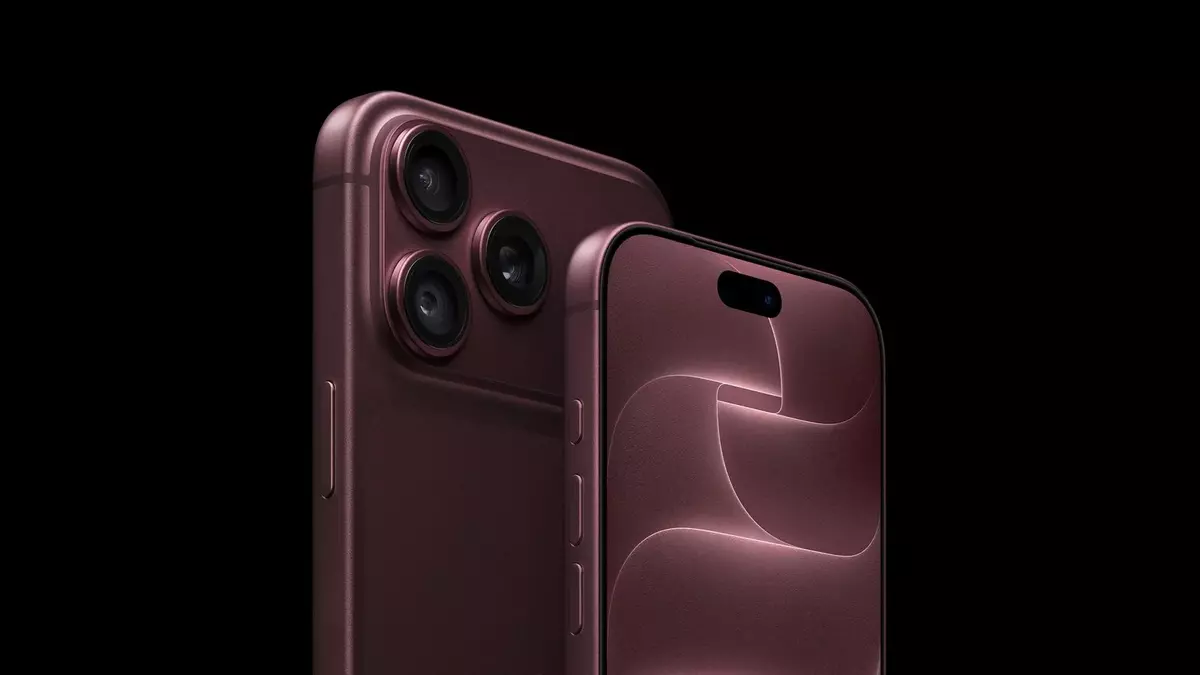
The iPhone 18 Pro introduces a variable aperture lens, a first for Apple's smartphone cameras. Unlike a fixed aperture, which locks the lens opening at a single size, a variable aperture lets the camera physically change how much light reaches the sensor.
According to the source material, this means the lens can open wide for bright, detailed shots or narrow down when conditions call for it. In practical terms, it gives the iPhone 18 Pro a level of optical control that was previously reserved for dedicated cameras.
If you have followed camera specs before, you will recognise terms like f-stop. A lower f-stop number means a wider opening and more light; a higher number means a narrower opening and less light. The variable aperture lens on the iPhone 18 Pro can move between these settings rather than staying fixed.
This is a hardware change, not just a software effect. The lens itself adjusts, which is what separates it from the computational photography tricks iPhone users already know.
At the heart of the system is a set of thin overlapping blades inside the lens barrel. These blades form a roughly circular opening, and a small motor shifts them inward or outward to change the diameter of that opening. Because the blades move continuously rather than snapping between two positions, the aperture can settle at many sizes instead of just one fixed value.
That movement is what makes the lens "variable." A wider opening lets in more light and narrows the depth of field, while a smaller opening restricts light and brings more of the scene into focus. The camera decides how far to open the blades based on the shooting conditions and the mode you are using.
As MacRumors explains, this is a meaningful departure from the fixed apertures found on earlier iPhone lenses, which could not physically change size at all.
A variable aperture lens gives photographers direct control over how much light reaches the sensor and how much of the scene stays in focus. On the iPhone 18 Pro, this means you can open the aperture for bright, shallow depth-of-field shots with softly blurred backgrounds, or stop it down when you want more of the frame sharp.
That flexibility matters most when lighting is unpredictable. Instead of relying on software to fake background blur, the variable aperture lens changes the optics themselves, so portrait-style images retain a more natural look. It also helps in bright conditions, where a narrower aperture prevents overexposure without forcing you to compromise on shutter speed.
For everyday photography, the benefit is choice: you decide how the image should feel, rather than accepting a single fixed setting. Whether you are shooting a close-up, a landscape or a group photo, the lens adapts to the moment. As Apple continues to develop computational photography, a true variable aperture gives those algorithms better optical data to work with, which can improve results across a wide range of scenes.
In everyday use, the variable aperture lens is designed to stay out of your way while quietly improving your photos. You won't need to dive into menus for every shot. Instead, the system adjusts automatically based on the scene in front of you, opening up when light is scarce and narrowing when conditions are bright.
For those who want more control, the lens also responds to manual adjustments. That means you can deliberately choose a wider aperture for a shallow depth of field, or a narrower one when you want more of the frame in focus.
Here's what that looks like in practice:
The result is a camera that feels more adaptable, giving you flexibility without adding complexity to your shooting routine.









Comment