
Alerts
-
3 minutes, 31 seconds
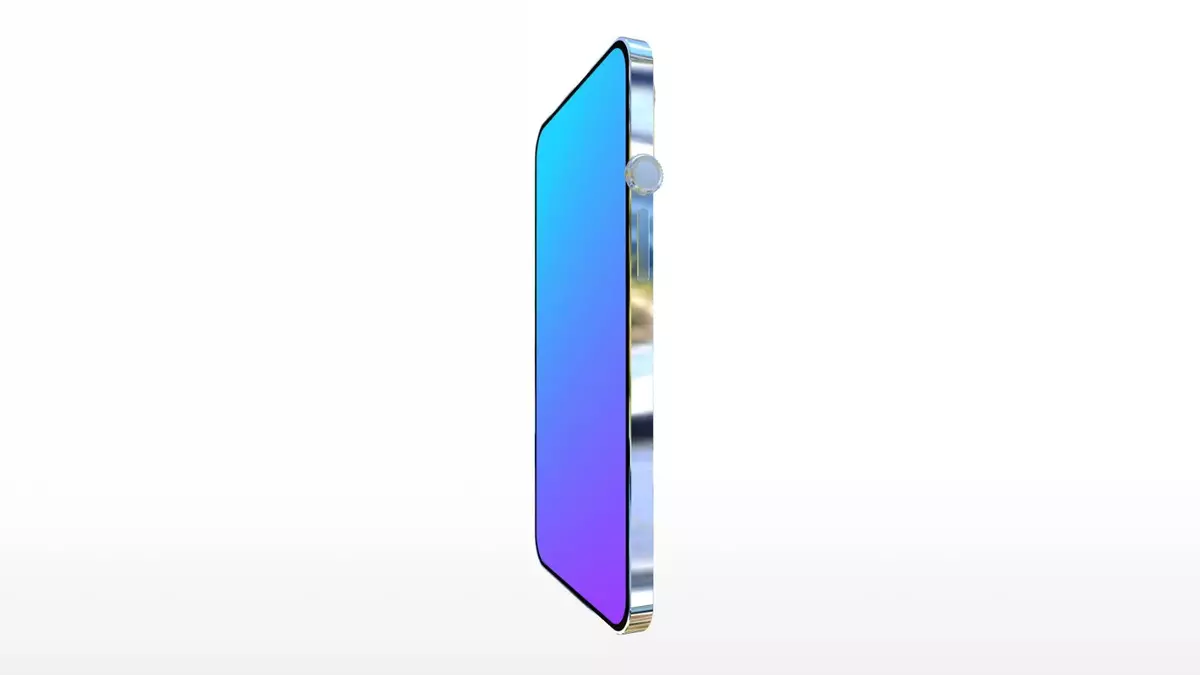
For years, Apple has kept the iPhone design process behind closed doors. Now, one fan site is flipping that model on its head. The site invites Apple enthusiasts to imagine, sketch, and submit their own concepts for the next iPhone, turning passive consumers into active designers.
The project is built around a simple premise: the people who use the iPhone every day often have the most detailed ideas about what it should look like next. Instead of waiting for official leaks or analyst predictions, the fan site offers a dedicated space where those ideas can take shape and be shared with a like-minded community.
Rather than a single gimmick, the site positions itself as an ongoing hub for iPhone design speculation. It collects user-generated concepts in one place, giving fans a rare outlet for their creativity and a way to compare their visions with others. The result is a community-driven counterpoint to Apple's famously secretive development culture.
The fan site is built around a simple premise: it lets you design the next iPhone. Instead of waiting for Apple's keynote, visitors can step into the role of product designer and shape the device themselves.
The process is straightforward:
Once submitted, your creation becomes part of a shared gallery where other fans can browse the designs. The site encourages visitors to compare ideas, debate trade-offs, and rally behind the concepts they like best.
What makes the tool appealing is its accessibility. You don't need engineering knowledge or insider information. Anyone with an opinion about the iPhone can participate, whether they want a bolder camera layout, a different finish, or a feature Apple has overlooked.
For fans, the site turns passive anticipation into active creativity. Rather than speculating about what Apple might announce, users can show exactly what they would build. It is a playful way to engage with the product cycle and to see how your dream iPhone stacks up against everyone else's.
The centerpiece of the fan site is a feature called 'Design the Next iPhone'. It invites visitors to imagine and shape the future of Apple's flagship device themselves, rather than simply waiting for the company's next announcement.
Through this feature, fans can explore design ideas and put forward their own concepts for what the next iPhone should look like and include. It turns passive speculation into an active, creative exercise, giving the community a shared space to experiment with possibilities.
The appeal is easy to understand. iPhone enthusiasts often have strong opinions about everything from camera layouts to materials, and 'Design the Next iPhone' gives those opinions somewhere to go. Instead of debating in scattered forum threads, fans can channel their ideas into a single, focused feature built around the device they care about.
For a fan site, that kind of feature is more than a gimmick. It encourages participation, sparks discussion, and keeps visitors coming back to see what others have imagined. In doing so, it captures exactly what makes the community tick: a genuine, ongoing fascination with the iPhone and where it might go next.
The fan site lets you design the next iPhone, and that shift matters in two directions. For fans, it turns years of forum speculation into something hands-on: instead of arguing about rumored features, visitors can assemble their own ideal device and see it take shape. It is a playful outlet for the community's long-standing habit of imagining what Apple should build next.
For Apple, the implications are murkier. A public tool that crowdsources iPhone concepts generates a stream of user preferences the company never asked for, and it sets expectations Apple has no obligation to meet. Yet it also offers a free window into what customers actually want, gathered without surveys or focus groups.
Whether Apple treats this as noise or signal, the site changes the conversation. Fans are no longer just waiting for the next iPhone. They are designing it themselves.










Comment