
-
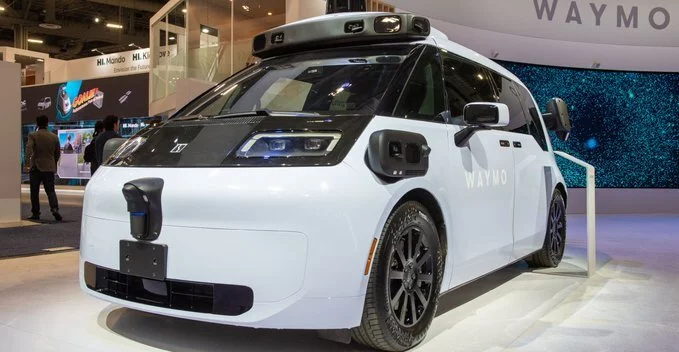
After months of rigorous testing, Waymo is officially launching passenger rides in its newest autonomous vehicle: the Ojai robotaxi. This purpose-built minivan, manufactured by China's Zeekr, marks a significant shift in the company's fleet strategy. Initially, Waymo will offer free rides to select passengers in San Francisco, Los Angeles, and Phoenix, before gradually expanding to more riders and cities. Paid rides are expected to follow as the company gathers critical data on the passenger experience.
The Ojai, rebranded from the Zeekr RT, is the debut vehicle for Waymo's sixth-generation autonomous driving technology. Unlike the outgoing Jaguar I-Pace fleet (which ran on fifth-gen tech and was discontinued in 2024), the Ojai uses fewer sensors to lower overall costs while maintaining—and even improving—performance. This strategic move allows for high-volume production, with manufacturing partners capable of producing tens of thousands of units annually.
Waymo partnered with Chinese automaker Geely (owner of Volvo, Lotus, and Polestar) to create a passenger-first autonomous vehicle. The Ojai features a spacious cabin with increased legroom, three large screens, charge ports, and cupholders. While it accommodates up to four passengers, accessibility is a key focus: the vehicle includes a flat floor, low step height, braille instructions, and grab bars for easier entry.
The Ojai is also built for practicality. It offers faster EV charging and increased battery capacity compared to previous models. Its interior is designed for easier cleaning and maintenance, making it more suitable for high-utilization ride-hail fleets.
Given the high tariffs and restrictions on importing vehicles with Chinese software, Waymo has taken steps to comply with regulations. The company states that all Zeekr vehicles imported into the U.S. have been stripped of any connected software, effectively sidestepping the ban. This allows Waymo to leverage Geely's manufacturing expertise without running afoul of trade restrictions.
The launch comes after a turbulent period for Waymo. The Alphabet-owned company recently suspended freeway operations across all cities due to concerns over how its vehicles reacted to construction zones. Additionally, after several robotaxis were spotted driving through flooded roads in Texas, Waymo issued a software recall for its entire fleet, including sixth-generation vehicles. These incidents highlight the ongoing challenges of perfecting autonomous driving technology.
The Ojai is just the beginning. Waymo's sixth-generation system will also be deployed in the Hyundai Ioniq 5, and the company has a partnership with Toyota for future models. This multi-platform strategy ensures Waymo can scale its autonomous ride-hail service across different vehicle types and markets.

2.5K articles

1.4K articles

34 articles

28 articles













Comment