Tesla Unsupervised FSD Shock: Millions of Cars Left Behind
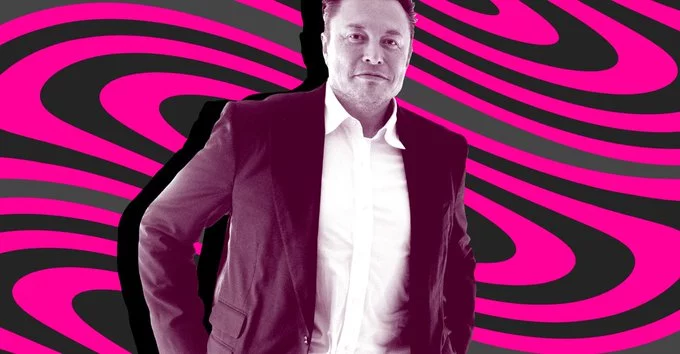
Tesla owners searching whether their vehicles will receive unsupervised FSD now have a clearer, though unsettling, answer. Elon Musk has acknowledged that millions of Tesla vehicles equipped with HW3 hardware may not support the company’s planned unsupervised Full Self-Driving rollout. The revelation raises major questions about upgrades, customer trust, and the future of Tesla’s autonomous driving ambitions.
Tesla HW3 Vehicles May Miss Unsupervised FSD
A major shift is unfolding for Tesla’s self-driving roadmap. Musk’s comments confirmed what many analysts and owners had feared for months: vehicles running Hardware 3, or HW3, may not be capable of supporting true unsupervised Full Self-Driving.
That matters because millions of Teslas on the road use this system. Many owners bought these vehicles with the expectation that software updates would eventually deliver increasingly autonomous driving features. For some, that promise was a key reason they paid for FSD in the first place.
Now, that expectation appears to be colliding with hardware limitations. Rather than a simple software evolution, unsupervised FSD may require significantly more advanced computing power than many existing Teslas can provide.
Why Tesla Unsupervised FSD Requires More Powerful Hardware
Unsupervised FSD is a much bigger leap than assisted driving. Unlike supervised systems that still require driver attention, unsupervised autonomy aims to let the vehicle operate without active human oversight under approved conditions.
That demands far more processing power for real-time decision-making, perception, and safety redundancy. Tesla’s newer hardware platforms have been positioned as major upgrades in that direction, suggesting older systems may struggle to meet those requirements.
This has shifted the conversation from software progress to hardware readiness. For years, Tesla emphasized software as the path to autonomy. Musk’s admission now highlights that hardware limitations may be the defining obstacle.
Tesla Owners React to FSD Upgrade Uncertainty
The reaction from Tesla owners has been intense. Many drivers are questioning whether vehicles marketed with future autonomy in mind can still deliver on those expectations.
Some are asking whether retrofits could solve the problem. Others wonder if compensation or hardware upgrade programs may eventually emerge. While Tesla has discussed support options in the past, uncertainty remains over what happens to customers whose cars may be left outside the unsupervised FSD future.
Trust is becoming a central issue. Tesla has built a loyal following partly around bold technology promises. When those promises appear harder to fulfill, it naturally fuels concern among customers and investors alike.
What This Means for Tesla’s Robotaxi Vision
The timing of this admission matters because Tesla has been pushing a broader autonomous future, including robotaxi ambitions. If millions of existing vehicles cannot support unsupervised FSD, that could reshape assumptions around how quickly Tesla can scale autonomous transportation.
Instead of relying heavily on the current fleet, expansion may depend more on newer-generation vehicles designed specifically for that mission. That could slow deployment timelines while increasing focus on next-generation hardware.
At the same time, it reinforces how difficult autonomous driving remains. The technology race is not just about software breakthroughs but also the hardware needed to support them safely at scale.
Tesla’s Next Move Could Define Customer Confidence
Attention is now turning to what Tesla does next. Whether through hardware retrofit options, revised FSD plans, or clearer communication, the company faces pressure to reassure affected owners.
How Tesla handles this moment could be pivotal. A strong response may preserve confidence and reinforce long-term loyalty. A weak or unclear path forward could deepen concerns over value, trust, and product promises.
For now, Musk’s admission has created a defining moment in Tesla’s autonomy story. It highlights both the ambition and the complexity behind unsupervised self-driving. More importantly, it reminds the industry that the road to full autonomy may depend as much on hardware evolution as software intelligence.
A Turning Point for Tesla Unsupervised FSD
This development may be remembered as a major turning point in Tesla’s self-driving journey. For years, the narrative centered on when unsupervised FSD would arrive. The bigger question now may be who gets it.
For millions of HW3 owners, that question suddenly feels urgent. And for Tesla, the answer could shape the company’s autonomous future for years to come.








Comment