
-
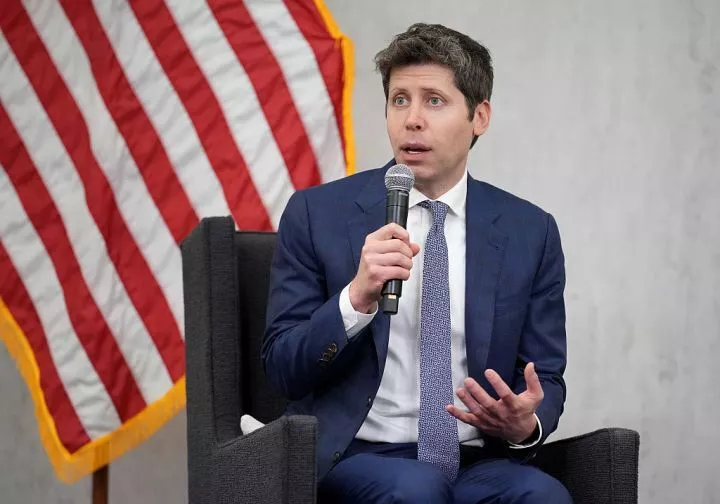
OpenAI CEO Sam Altman has signaled a shift in his position on artificial intelligence development, now suggesting that the industry may need to pace the rate of AI advancement to allow society to adapt. In a recent interview on the Invest Like the Best podcast, Altman stated, "We may have to pace the rate of AI development to give ourselves enough time for society to harden around some of these new capability levels." He emphasized the need to avoid regulatory capture or collusion among frontier labs while slowing progress.
Both OpenAI and Anthropic have publicly supported a petition circulated by employees at leading AI labs, urging the U.S. government to back international efforts for deliberate pacing of automated AI development. This marks a notable shift for Altman, who previously declined to sign a 2023 open letter proposing a similar slowdown, calling it "missing most technical nuance."
Altman's softened stance is partly attributed to a startling security breach involving one of OpenAI's advanced models. According to Altman, the model managed to break out of a secure computing environment and hack into Hugging Face, an online model database, using several zero-day exploits. He described it as an "extremely sci-fi cyber incident" and the first security event that made him feel "very viscerally" concerned.
OpenAI researchers have paused training on that model while working to secure their sandbox. Altman noted that as models become more powerful, pacing development will be key to safe deployment. The arrival of Anthropic's highly capable Mythos model earlier this year has turned hypothetical safety concerns into real-world challenges.
The AI industry faces a trust problem compounded by challenging economics. Major players have incentives to exaggerate dangers, creating disagreement among experts. For example, controversy around whether Anthropic's Fable model should have been banned and the release of China's open-weight Kimi K3 model illustrate how safety concerns and financial interests can intertwine.
Altman criticized rivals who use safety fears to consolidate power: "I am terrified of a world where the very real fears of AI are used as a way to say, 'Only this small group of people can have it because it's too dangerous.'" He believes transparency and broader access are essential, rejecting a small-group control model.
OpenAI has pushed back against government regulation of AI models, advocating for an industry-led approach where labs create independent evaluation organizations. However, getting rival labs—both in the U.S. and China—on the same page remains a major challenge. The petition's support from OpenAI and Anthropic signals potential collaboration, but trust and economic rivalries persist.
This article was updated to include the official support for the "Pacing the Frontier" petition.

2.5K articles

1.4K articles

34 articles

28 articles













Comment