
Alerts
-
6 minutes, 43 seconds
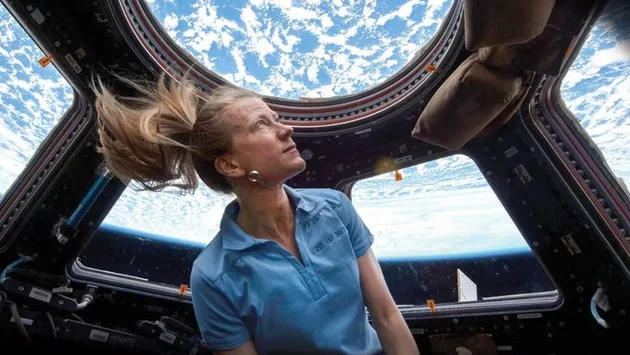
NASA astronauts are officially getting permission to bring personal smartphones into space, answering a long-standing question many people have wondered about: can astronauts use their own phones on missions? According to the latest confirmation, the answer is yes. Beginning with Crew-12 and extending to future flights like Artemis II, astronauts will be allowed to carry approved iPhone and Android devices. The move signals a notable shift in how NASA approaches onboard technology, documentation, and daily life in orbit.
For decades, NASA relied almost exclusively on agency-issued cameras and specialized imaging equipment to document life in space. That approach is now changing. NASA astronauts will be able to use personal smartphones during government missions, marking a significant update to internal flight policies. The approval covers modern consumer phones that meet NASA’s safety and hardware standards.
This change reflects how advanced smartphones have become, offering high-quality cameras, secure systems, and reliable performance. Rather than replacing existing equipment, personal phones will complement traditional spaceflight cameras. NASA officials describe the decision as practical, modern, and aligned with how astronauts already live and work on Earth.
Crew-12 is set to become the first mission where astronauts can openly carry personal smartphones into space. The mission is scheduled to travel to the International Space Station in mid-February 2026. Astronauts aboard Crew-12 will be permitted to use their phones for approved purposes while in orbit.
Allowing smartphones on the ISS gives astronauts easier ways to capture photos, record videos, and manage personal communication when permitted. It also reduces the learning curve that comes with specialized equipment. NASA sees this as a step toward making long-duration missions more comfortable and efficient for crew members.
The policy does not stop with low-Earth orbit missions. Artemis II, which has faced delays and is now expected to launch in March, will also carry consumer smartphones onboard. This mission represents humanity’s return to crewed deep-space travel, making the inclusion of personal devices especially symbolic.
By approving smartphones for Artemis II, NASA is signaling confidence in consumer technology even beyond Earth orbit. These devices will operate alongside traditional imaging systems, not replace them. The goal is to expand flexibility while maintaining strict safety standards for deep-space missions.
One of the most notable aspects of this announcement is how quickly the hardware approval process moved. NASA fast-tracked smartphone certification, which suggests a broader procedural shift inside the agency. Historically, new onboard hardware faced lengthy testing cycles before approval.
This streamlined approach shows NASA adapting to modern technology timelines. Smartphones evolve rapidly, and long approval delays can make devices outdated before launch. Faster certification allows astronauts to use up-to-date tools without compromising mission safety or reliability.
Personal smartphones offer convenience that specialized equipment often lacks. Astronauts already rely on digital tools for schedules, notes, and communication. Smartphones combine many of these functions into one familiar device.
Beyond practicality, there is also a human element. Personal photos and videos help astronauts share authentic moments from space with the public. These images often resonate more deeply than professionally staged shots, strengthening public interest and emotional connection to space exploration.
Smartphones are now capable of producing high-resolution images and stabilized video in compact form. For NASA astronauts, this means more spontaneous documentation of daily life aboard spacecraft and stations. While professional cameras remain essential for scientific and mission-critical imaging, smartphones fill a different role.
They allow quick captures without setup time, making it easier to document unexpected moments. This could lead to more behind-the-scenes visuals from orbit and beyond. Such content has proven powerful in inspiring future generations and keeping space exploration visible in everyday life.
Despite the excitement, NASA emphasizes that safety and cybersecurity remain top priorities. Only approved devices that meet strict requirements will be allowed onboard. Usage will follow clear guidelines, especially during critical mission phases.
Phones will not interfere with spacecraft systems, and astronauts will not have unrestricted use at all times. NASA has carefully balanced innovation with caution, ensuring personal devices enhance missions without adding risk.
Allowing NASA astronauts to carry personal smartphones may seem like a small change, but it reflects a larger cultural shift within space exploration. It shows an agency willing to modernize, trust consumer technology, and humanize life in space.
As missions grow longer and venture farther from Earth, comfort and familiarity matter more than ever. Personal smartphones offer a sense of normalcy in an extraordinary environment. For the public, this decision promises more relatable glimpses of spaceflight, captured through the same devices used on Earth every day.







Comment