Alerts

-
3 minutes, 36 seconds
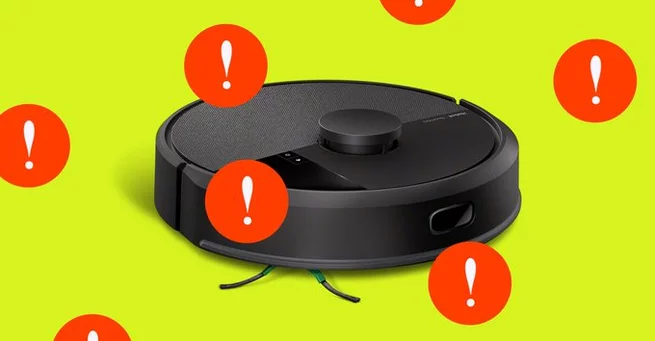
Household robotics pioneer iRobot, best known for its Roomba vacuum line, has officially filed for Chapter 11 bankruptcy protection. The Massachusetts-based company, which warned earlier this year about running out of options, will be acquired by its contract manufacturer, China-based Picea Robotics. Despite financial turmoil, iRobot assures customers that Roomba devices, apps, and ongoing support will remain fully operational.
Picea Robotics, which already worked closely with iRobot on manufacturing, will take over operations without disrupting supply chains, partnerships, or product development. The acquisition aims to stabilize iRobot’s finances while preserving its position in the competitive robot vacuum market. Customers can expect uninterrupted service and continued innovation under new ownership.
Founded in 1990, iRobot was an early leader in household robotics, launching the first Roomba in 2002. Over the past two decades, the company’s dominance has faded as competitors like Ecovacs and Roborock gained market share. Efforts to regain momentum, including a potential Amazon acquisition in 2022, failed due to regulatory scrutiny.
In response to mounting competition, iRobot revamped its product line and lowered prices, collaborating with Picea Robotics on new Roomba models. However, revenue continued to decline, compounded by US tariffs on products manufactured in Vietnam. Industry analysts suggest that without acquisition support, iRobot may have struggled to survive.
iRobot CEO Gary Cohen called the bankruptcy filing a “pivotal milestone” to secure the company’s long-term future. By entering Chapter 11, iRobot can restructure its finances while maintaining normal operations. This ensures that both customers and global partners face minimal disruption.
For Roomba owners, the filing does not mean an immediate change. Devices will continue cleaning, apps will remain functional, and customer support will remain intact. Picea Robotics plans to expand the product line and explore new technologies to keep Roomba competitive in the global smart home market.
iRobot’s bankruptcy highlights the challenges American tech brands face against Chinese manufacturers and rising tariffs. It also underscores how acquisitions can serve as lifelines, preserving legacy technology while opening doors to global manufacturing efficiencies.
Consumers can breathe easy knowing that Roomba products remain supported. iRobot’s transition under Picea Robotics could even spark innovation, leading to smarter, more affordable robot vacuums. While the company navigates Chapter 11, its iconic brand continues to hold a place in households worldwide.









Comment