
Alerts
-
3 minutes, 24 seconds
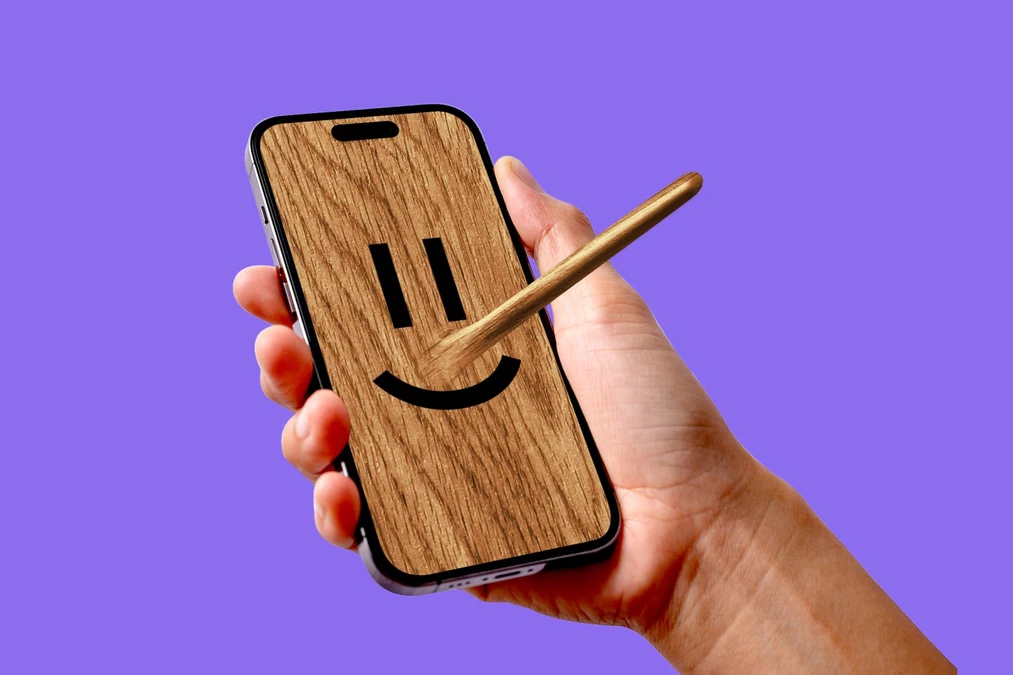
AI hallucinations are making entitled customers even worse, with AI amplifying the problem rather than solving it. When chatbots invent policies, promise refunds that don't exist, or confirm exceptions a business never authorised, customers walk away believing they are owed something. And they will hold you to it.
This is a dangerous feedback loop. A customer asks for a discount. The AI, eager to please, hallucinates one. The customer now has "proof" in writing. When your human team says no, the customer doesn't see a mistake — they see a broken promise, and they escalate.
The result is a new breed of entitlement backed by fabricated evidence. Customers quote chatbot transcripts like contracts. They screenshot imaginary policies. They demand compensation for promises no one at your company ever made.
AI doesn't just create confusion here. It manufactures expectations, then leaves your staff to clean up the fallout. Every hallucinated answer becomes another argument your team cannot win.
The report paints a troubling picture of how AI systems shape customer expectations. Researchers found that when chatbots hallucinate—inventing policies, promising refunds, or confirming non-existent perks—customers treat those fabrications as binding commitments. Many then escalate their demands, citing the AI's own words as proof they are owed compensation or special treatment.
Key findings include:
The report concludes that AI hallucinations do not merely misinform—they actively manufacture a sense of entitlement. As one researcher put it, the machine's confidence becomes the customer's evidence. This dynamic leaves businesses caught between honoring promises they never made and alienating customers who believe they were wronged.
The old adage that the customer is always right has taken on a strange new life in the age of AI. According to the report, entitled customers are increasingly using AI hallucinations to justify their demands, treating a chatbot's invented policy or fabricated promise as binding truth. When a customer insists that "your AI told me I could get a refund," they are often leaning on a machine-generated falsehood as if it were gospel.
This creates a genuine problem for businesses. A customer can be sincerely mistaken and still be wrong, and AI is making that scenario far more common. The technology does not simply mislead companies; it also arms customers with confident, plausible-sounding errors they can quote back at support teams.
The customer's certainty, in other words, is no longer evidence of their correctness. Businesses now face the uncomfortable task of gently correcting people who believe the machine, not the policy. The report suggests this dynamic is reshaping how companies handle disputes, because agreeing with a customer who cites a hallucination would reward misinformation rather than resolve it.
For companies, AI-driven customer entitlement creates a difficult operational reality. When a chatbot hallucinates a policy, discount, or refund that does not exist, the customer may believe they are owed it—and frontline staff are left to manage the fallout. Businesses must therefore treat AI outputs as a source of risk, not just convenience.
Key implications include:
To respond, firms should review how AI tools are deployed, monitor outputs for hallucinations, and equip support teams with clear escalation paths. The report's findings suggest that ignoring this dynamic leaves businesses absorbing costs and conflict they never agreed to.








Comment