
Alerts
-
3 minutes, 25 seconds
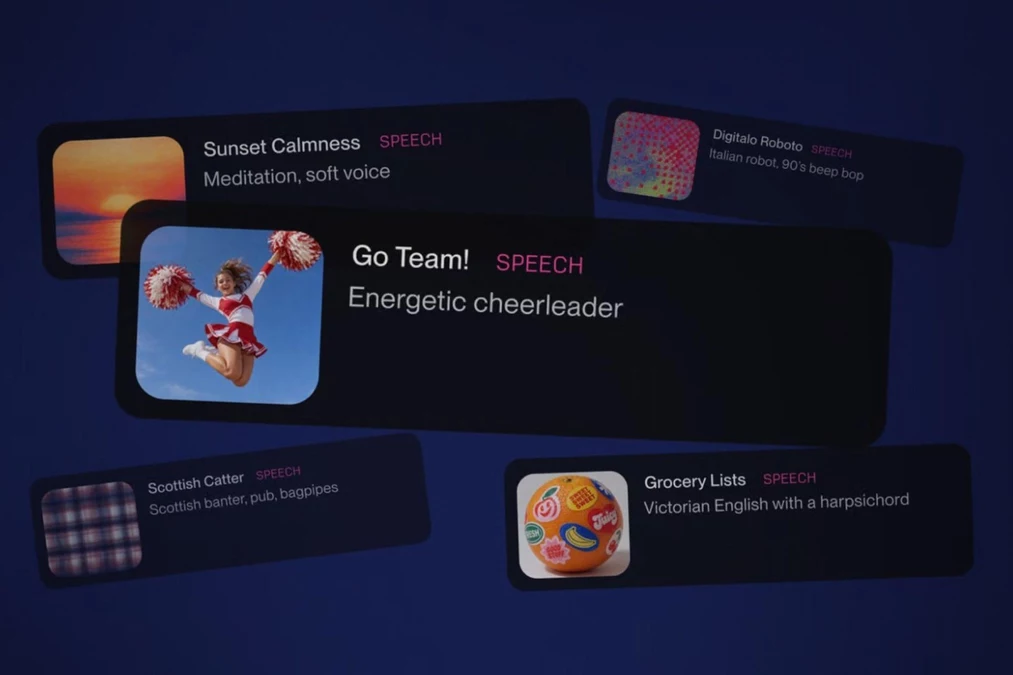
Suno, the AI music maker, has introduced a new feature simply called Speech, which allows the platform to generate spoken words. The addition marks a shift for a tool that has, until now, focused on producing songs and instrumental tracks.
With Speech, users can create voice recordings directly within Suno. The feature is designed to work alongside the company's existing music-generation capabilities rather than replace them, giving creators a way to add narration or dialogue to their projects.
The launch reflects Suno's broader ambition to support a wider range of audio content. Speech sits alongside the platform's core music tools, and the company has positioned it as another building block for users who want to produce complete audio pieces in one place.
For now, the feature is available to Suno users, and it signals that the company sees voice as a natural extension of its music-focused platform.
The Speech feature provides synthetic voiceovers embellished with AI background music. Instead of simply generating a spoken track, it pairs the voice with a musical backdrop, giving the output a more produced feel.
This combination is what sets the feature apart from a plain text-to-speech tool. By layering AI-generated music underneath the synthetic voice, Suno aims to deliver results that sound closer to a finished piece than a raw narration.
Key aspects of the feature include:
The result is a single, cohesive audio product rather than two separate elements. For anyone who wants narration with an accompanying score, this removes the need to source music separately or mix the two by hand.
It is a notable shift: the same platform now handles both the voice and the soundtrack, presenting them as one integrated experience for listeners.
Suno's Speech feature marks a clear expansion of its AI capabilities beyond music generation. While the platform built its reputation on creating songs from text prompts, Speech introduces a new kind of output: spoken audio, complete with the option to add AI-generated background music. That combination pushes Suno into territory that overlaps with voiceover tools, podcast production, and other spoken-word applications.
The move signals a broader ambition. Rather than remaining a single-purpose music generator, Suno appears to be positioning itself as a more general audio creation platform, one that can handle both sung and spoken content. For a company whose identity has been tied so closely to music, branching into speech is a notable strategic shift.
It also raises the question of how far this expansion will go. If Suno can generate voices and score them with music, the boundaries between its tools and those of dedicated voice and audio platforms become less distinct. For now, Speech stands as the clearest evidence yet that Suno's roadmap extends well past songs alone.
For everyday users, the practical upshot is that Suno is no longer only a tool for making songs. With the new speech feature, you can now use Suno to create spoken content with AI-generated voice and music. That opens the door to projects that previously required separate tools, or a voice actor, or both.
Consider a few possibilities:
The key change is consolidation. Instead of stitching together a voice generator and a music generator, users can work inside Suno for both. The barrier to entry drops, and so does the friction of moving files between platforms.
It also means the line between "musician" and "creator" gets blurrier. Someone who never intended to make a song can still produce something with voice and music. For users who already use Suno for music, the speech feature is less a replacement and more an added lane.









Comment