
Alerts
-
3 minutes, 11 seconds
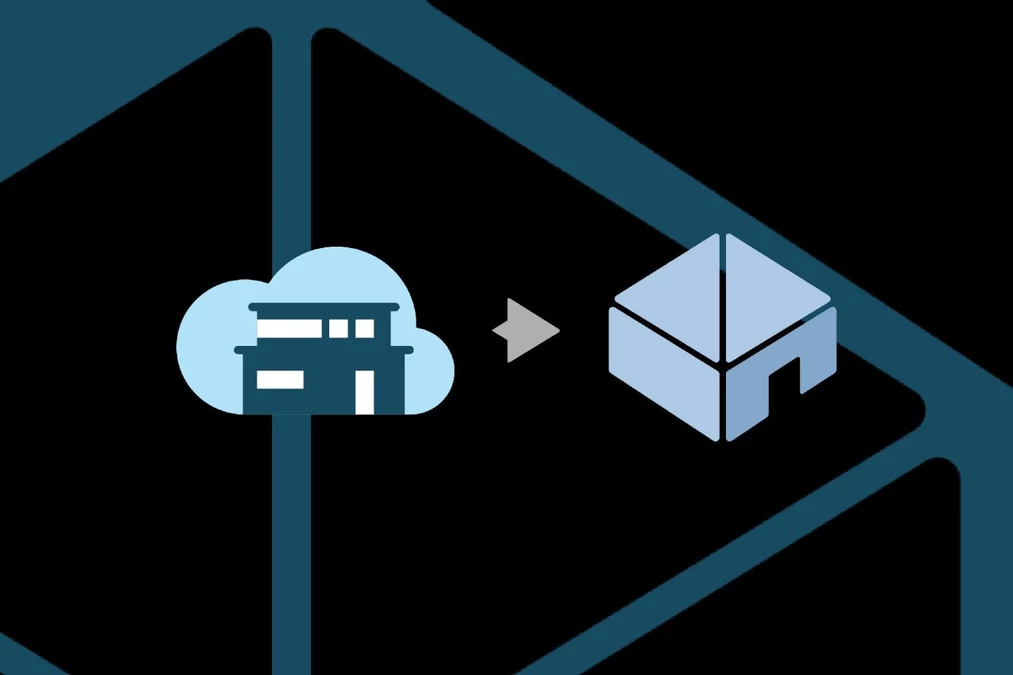
Home Assistant Cloud is getting a new name. The subscription service for the open-source smart home platform is being rebranded as Home Assistant Connect, and the change is about more than marketing.
Founder Paulus Schoutsen explained the reasoning behind the shift. In his view, the word "cloud" has become tainted — it now suggests a service where your data is stored on someone else's servers and you lose control over it. That association no longer reflects what Home Assistant's offering actually does.
The service was never really about storing your data in a remote data centre. Instead, it primarily provides a secure remote connection to your own Home Assistant instance, so you can reach your smart home from anywhere without exposing it directly to the internet. The computing and the data stay local.
By dropping "cloud" from the name, the team hopes to make that distinction clearer. The rebrand signals that Home Assistant Connect is a bridge to your own system, not a replacement for it — and that the platform's local-first philosophy remains intact.
Schoutsen's case against the cloud is blunt: big tech ruined it. His argument is that the major providers turned what should have been a neutral utility into something users can no longer trust, and that this shift is precisely why the platform chose to distance itself from the term.
The reasoning behind dropping "cloud" from the name follows directly from that view. If the word now signals dependence on large corporate infrastructure, then keeping it would misrepresent what the project is trying to offer.
The decision was not a rejection of remote access as a feature, but of the associations the label had accumulated. By removing it, the platform signals a different relationship with the companies that dominate the space — one built on keeping users in control rather than handing that control to big tech.
Hardware could be the next step. The company behind Home Assistant is building a new hub, and it is positioning the device around AI agents rather than simple automation rules. Instead of asking users to hand-build every trigger and condition, the hub could let agents interpret intent and act on it across the home.
That combination matters for adoption. A dedicated hub gives the platform a physical anchor in the living room, while AI agents lower the skill barrier that has long kept casual users away from self-hosted setups.
It is a notable shift in ambition. Home Assistant has spent years earning trust with tinkerers who value local control and privacy. A hub paired with agents could translate those principles into something a mainstream household can actually use, without asking anyone to write YAML or manage a server.
If it lands, the platform stops being a hobbyist project and starts looking like a genuine consumer product.
Dropping "Cloud" from the name is more than a cosmetic edit. It signals that Home Assistant wants the cloud treated as an optional convenience, not the foundation of the smart home. For a platform long associated with local control, that distinction matters: your devices keep working even when someone else's servers do not.
The bigger story may be reach. A new hub and AI agents could push Home Assistant beyond its enthusiast base toward mainstream households that expect setup to be simple and automation to feel intelligent rather than scripted.
If that lands, the platform's real advantage becomes clear. Big Tech taught users to distrust the cloud; Home Assistant can offer the convenience of connected devices without making the cloud the single point of failure. The name change is the announcement. The hub and agents are the argument.









Comment