Alerts

-
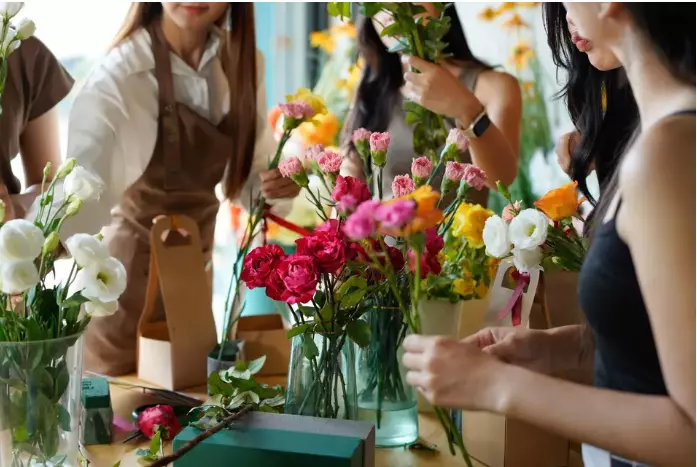
While the popular narrative often focuses on widespread loneliness and disconnection, emerging data paints a more optimistic picture. People are increasingly gathering in diverse settings to participate in shared activities and foster a sense of community. The challenge now is to overcome what some call “social jetlag” and rebuild our interpersonal skills as we reacclimate to group settings.
The effort to reconnect is worthwhile, as belonging is strongly linked to our physical, cognitive, and emotional health, as well as our professional success. When we choose to come together, we will find ourselves in good company. According to a survey of over 4,000 people aged 18-35 conducted by Eventbrite, 79% expect to attend more events in the coming year. This suggests a significant shift toward re-engagement. Here are some of the most transformative and trending ways to rebuild your social wellbeing.
Perhaps the most accessible path to reconnecting is to start slowly. Interestingly, some of the most popular ways people are getting involved involve looking beyond socializing as the primary goal. The pressure to constantly engage in conversation can be a barrier, and many are seeking alternatives.
The Eventbrite data reveals that 58% of people say that while socializing is somewhat important, it does not have to be the sole focus of a great experience. This shift is partly driven by a desire for control, with 45% stating they want to manage how and when they interact. Additionally, 41% are happy to simply observe rather than actively join in.
To connect in this low-risk, pressure-free manner, consider activities that provide a shared focus without demanding constant interaction. Examples include:
These settings allow you to be in the presence of others and share an experience without the need for forced conversation, making them an ideal first step back into social life.
Another powerful way to get involved is to seek out activities that provide a sense of purpose. The Eventbrite survey found that 73% of respondents are more likely to attend an event if it supports a cause they care about. This makes cause-based events and volunteering particularly effective for building connections.
These activities work well for several reasons. For 50% of respondents, they provide a valid excuse to get together. More importantly, they naturally connect you with people who share your goals and aspirations. Having shared ideals offers a built-in starting point for conversation, making social interaction feel more organic and less forced.
There are many excellent examples of purpose-driven gatherings, including:
The survey data highlights a strong interest in a variety of purpose-driven events. Specifically, 46% of respondents expressed interest in live show or open mic fundraisers, while 36% sought out educational talks or panel discussions. Furthermore, 35% were interested in art builds or sign-making sessions, and an equal 35% wanted to attend community problem-solving meetups. These opportunities are widely available and offer a meaningful way to build community while contributing to something larger than yourself.
While traveling to a major festival or a large-scale conference can be thrilling, there is a unique power in connecting with your immediate community. In fact, a significant majority of respondents in Eventbrite’s data—88% to be exact—agree that local engagement is particularly impactful.
When you choose to act locally, you gain the immediate benefit of seeing the tangible effects of your participation. There is a distinct sense of fulfillment that comes from contributing to the wellbeing of the people you live and work alongside every day. Furthermore, local involvement offers a crucial advantage that distant events cannot: the ability to sustain the relationships you build. If you meet a new friend at a downtown charity benefit, you can easily make plans to grab dinner the following week, turning a fleeting encounter into a lasting connection.
Opportunities for local engagement are often more plentiful than you might think. Consider exploring:
Once you have eased into the rhythm of attending events and feel ready to dive deeper, it is wise to seek out experiences that surprise you or push you beyond your comfort zone. Engaging in difficult or challenging activities is particularly beneficial for your overall wellbeing and sense of fulfillment.
The desire for challenge and spontaneity is widespread. According to Eventbrite data, a large majority of people (79%) express a desire for spontaneity in their event experiences. Furthermore, 44% say they want to break their routines and feel more fully present in the moment. This inclination is even stronger among younger adults; those aged 18-22 are 1.3 times more likely to say they want activities that help them step outside their comfort zones.
One of the most effective ways to introduce surprise or challenge into your social life is to look for mashup events that combine different areas of interest. This concept has broad appeal, with 69% of people saying they value events that merge multiple interests. The data shows this is especially true for young parents, who are 14 times more likely to want this type of hybrid event.
To find these challenging and surprising experiences, look for creative combinations such as:
Some of the most memorable events are those that are entirely unexpected or that offer special bonuses beyond the standard experience. Think of a film screening in a forest clearing, a performance on a lakeside shore, a sunrise sound bath, or a DJ set with a skyline view.
We are naturally motivated by experiences that offer a fresh perspective on familiar things. This is why people are increasingly attending after-hours tours of museums, seeking behind-the-scenes access at bookstores, or attending events in unusual locations like laundromats that have been transformed into temporary venues.
Our attraction is also heightened by factors that feel exclusive or rare. This includes events like an exclusive movie screening, immersive pop-up experiences, surprise performances, hidden speakeasies, or the premiere of an unreleased media drop.
Overall, the modern event-goer increasingly craves experiences that feel one of a kind, authentic, and less curated than the standard offerings. The appeal lies in the unique, the rare, and the genuinely surprising.
While seeking out existing opportunities is a great starting point, the real magic happens when you decide to create them yourself. You don’t need a large budget, a formal organization, or a massive following to make a difference in your community. Sometimes, all it takes is a simple invitation and a willingness to bring people together.
The best way to begin is to keep things manageable. Gather a few friends or neighbors and organize a small, low-pressure gathering. This could be a casual potluck, a book swap, a weekend cleanup of a local park, or a simple game night at someone’s home. The goal isn’t perfection; it’s about creating a space for connection.
Once you’ve hosted a successful small event, you’ll gain confidence and valuable insight into what works. Use that momentum to plan something slightly larger. You might invite a broader circle of acquaintances, try a different format, or partner with a local business or community center to host the event. Each step builds on the last, growing your network and your ability to bring people together.
In an age dominated by digital noise, a personal touch stands out. Instead of relying on social media or online event pages, lean into direct, word-of-mouth invitations. A phone call, a face-to-face conversation, or a handwritten note can be incredibly powerful. These personal gestures make people feel genuinely wanted and valued, which is far more effective at drawing them in than a generic post in a digital feed. By inviting people personally, you’re not just filling a room; you’re building a sense of belonging from the very first interaction.
Investing your time and energy into creating connections is more than just a nice thing to do—it has profound benefits for both you and your community. Getting out, coming together, and building relationships combats isolation, strengthens social networks, and creates a more resilient and supportive place to live. The rewards of seeing people connect, collaborate, and form lasting bonds are immense. While it takes effort to jump in and make it happen, the positive impact you’ll create is well worth it, enriching your own life and the lives of those around you.

8.4K articles

1.6K articles

34 articles

28 articles













Comment