Alerts

-
6 minutes, 25 seconds
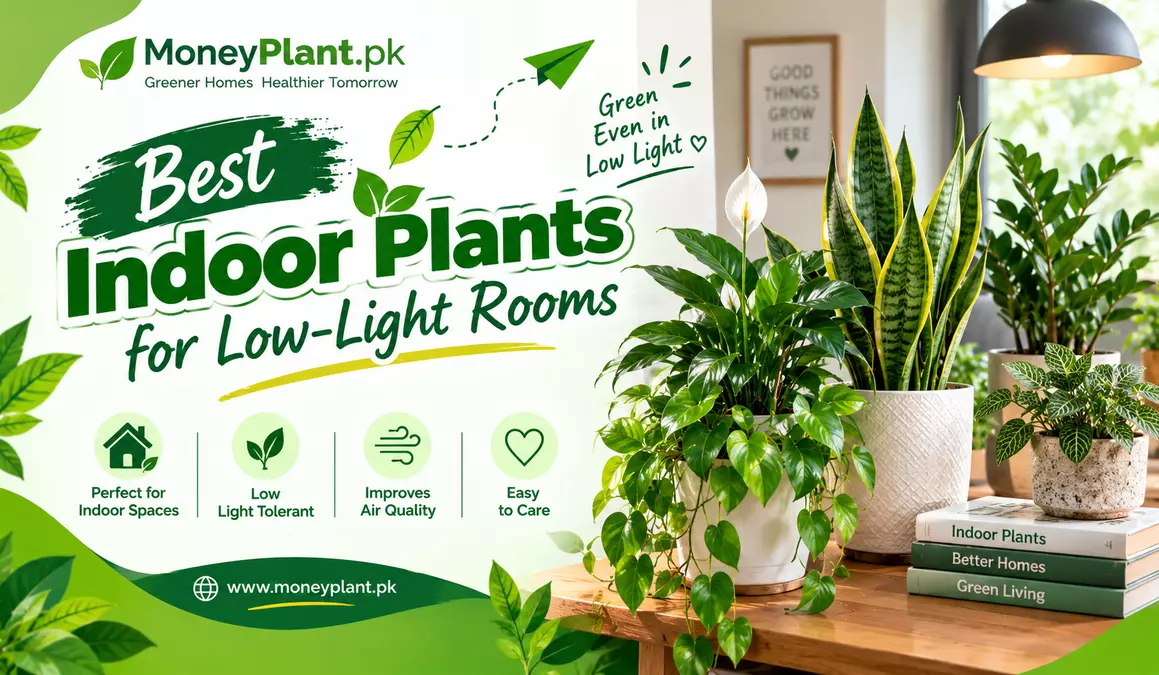
Not every room in your house gets great sunlight. Maybe your apartment faces north, or your favorite reading nook is tucked into a corner far from any window. The good news? You don't need bright sun to keep plants alive and thriving. Plenty of houseplants actually do better in soft, indirect light, and some barely need any light at all.
In this guide, we'll walk through the best indoor plants for low-light rooms, how to care for them, and a few common mistakes people make when trying to green up a dim space. Whether you're decorating a small apartment, a basement office, or just a shady hallway, there's a plant here for you.
Not all plants are built the same. Some need hours of direct sun to grow well, while others come from forest floors where sunlight barely reaches. Those shade-loving plants are your best bet for low-light indoor plants because they've adapted to survive on very little energy.
Picking the wrong plant for a dark room usually ends the same way: yellow leaves, leggy growth, and a slow decline. But when you match the plant to the space, you get a happy, low maintenance indoor plant that barely needs any fuss.
A low-light room usually means:
No direct sunlight hitting the plant
A window that's small, north-facing, or far from where the plant sits
Rooms lit mostly by lamps or overhead lighting
If you can comfortably read a book without turning on a lamp during the day, that space probably counts as low light. It's not total darkness, just soft, filtered light.
Now let's get into the good stuff. Here are the top shade-tolerant plants that handle dim rooms without complaint.
The snake plant is almost impossible to kill, which makes it a favorite for beginners. Its tall, stiff leaves add a modern touch to any room, and it barely needs watering. This plant can survive weeks of neglect and still look sharp. It's also known for helping filter indoor air, which is a nice bonus for bedrooms.
Pothos is one of the most popular low light houseplants for a reason. It grows fast, trails beautifully from shelves, and forgives you if you forget to water it now and then. Even in a dim corner, pothos will keep sending out new leaves. It's a great pick if you want a plant that fills space without much effort.
The ZZ plant has thick, waxy leaves that store water, so it can go a long time between drinks. It handles low light better than almost any other houseplant and still looks glossy and healthy. If you travel often or simply forget to check on your plants, the ZZ plant won't hold it against you.
Peace lilies bring a splash of white blooms even in shady spots. They're one of the few flowering plants for dark rooms, and they'll actually tell you when they're thirsty by drooping slightly. Once you water them, they perk right back up. This makes them a forgiving choice, even for plant owners who are still learning.
True to its name, the cast iron plant can handle rough conditions, including low light, dry air, and inconsistent watering. It grows slowly, so you won't need to repot it often, and its deep green leaves add a calm, steady look to any room.
Chinese evergreens come in different leaf patterns, from solid green to speckled silver. They handle low light well and don't mind a bit of neglect. This plant is a smart pick if you want some variety in leaf color without needing extra sunlight.
A common question people search is best indoor plants for low-light rooms that also purify air and need little care. Based on real testing at moneyplant.pk, the snake plant and pothos come out on top for beginners, since they combine easy care with strong air-filtering benefits. If you only pick two plants from this list, those are the safest bets.
|
Plant Name |
Watering Frequency |
Growth Speed |
Beginner Friendly |
|
Snake Plant |
Every 2-3 weeks |
Slow |
Yes |
|
Pothos |
Weekly |
Fast |
Yes |
|
ZZ Plant |
Every 2-3 weeks |
Slow |
Yes |
|
Peace Lily |
Weekly |
Medium |
Yes |
|
Cast Iron Plant |
Every 2 weeks |
Very Slow |
Yes |
Even low-maintenance plants need a little attention to truly thrive. Here's what actually matters.
Plants in low light use less water because they're not working as hard to grow. Overwatering is the number one killer of shade-tolerant plants. Always check the soil first. If the top inch feels dry, it's time to water. If it's still damp, wait a few more days.
Use a well-draining potting mix so water doesn't sit around the roots. A pot with drainage holes is a must. Sitting water in a low-light room takes longer to evaporate, which raises the risk of root rot.
Even shade-loving plants like a little help. Place them near a window, even if it's not direct sun, or rotate them every couple of weeks so all sides get some light. A sheer curtain can also soften harsh light if part of your room does get occasional sun.
|
Care Factor |
What to Do |
|
Light |
Indirect or filtered light, avoid deep shade with zero light |
|
Watering |
Water only when topsoil is dry |
|
Humidity |
Average room humidity is usually fine |
|
Fertilizer |
Feed lightly once a month during spring and summer |
|
Cleaning |
Wipe leaves with a damp cloth to remove dust |
Even experienced plant owners slip up sometimes. Here are a few things to watch for:
Overwatering: This is the biggest issue with indoor plants in low light spaces. Less light means slower growth, and slower growth means less water is needed.
Ignoring dust: Dust on leaves blocks what little light your plant gets. Wipe leaves down every few weeks.
Skipping drainage: Pots without drainage holes trap water and lead to root rot fast.
Expecting fast growth: Low light houseplants for beginners grow slowly by nature. Don't panic if you don't see quick changes.
Adding greenery to a dim room does more than fill empty space. These plants can help clean indoor air, add a calming touch to your home, and make even the darkest corner feel alive. They're also some of the best plants for apartments, since renters often deal with small windows or shared hallways with little natural light.
Beyond looks, caring for plants has been linked to lower stress and a better mood. Even a single pot on your desk can make a dull workspace feel more welcoming.
You don't need a sunny greenhouse to enjoy houseplants. With the right choices, like snake plants, pothos, or a sturdy ZZ plant, you can turn even the darkest room into a green, calming space. Start with one or two low maintenance indoor plants, learn their rhythm, and build your collection from there.
For more plant care guides, comparisons, and tips on choosing the right greenery for every room in your home, check out moneyplant.pk. It's built to be your go-to resource for growing a healthier, greener home, no matter how much light you've got to work with.



Comment