
-
2 minutes, 23 seconds
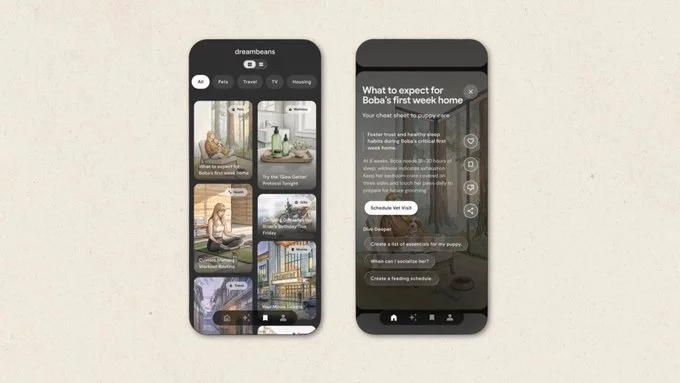
When we say feeds focus on the user's own plans, interests, and purchases, we mean that social media and content platforms should show you what actually matters to you. Instead of random posts or generic ads, your feed becomes a personalized space that reflects your upcoming events, hobbies, and recent shopping decisions. This makes your online experience more relevant, enjoyable, and useful.
Think about the last time you scrolled through a feed filled with irrelevant content. Frustrating, right? That's why platforms now use your behavior to tailor what you see. Here's why this approach works:
If you're planning a wedding, a platform might show you venue ideas, dress styles, or budget tips. For example, Pinterest uses boards you create to suggest pins related to your upcoming events. Similarly, Facebook might highlight events in your area that match your calendar.
Love hiking? Your feed will prioritize trail reviews, gear reviews, and nature photography. Instagram's algorithm learns from the accounts you follow and the posts you save. The more you engage with outdoor content, the more you'll see it.
Bought a new camera? Expect tutorials, lens recommendations, and photography challenges in your feed. Amazon's homepage is a classic example—it shows items based on your browsing and buying history. This turns your feed into a helpful shopping assistant.
Spotify: Your Discover Weekly playlist uses your listening history to suggest new songs. YouTube: Your homepage shows videos related to your recent searches and subscriptions. LinkedIn: The feed highlights job postings and industry news aligned with your profile.
When feeds focus on the user's own plans, interests, and purchases, everyone wins. You get a personalized experience that feels intuitive, while platforms keep you engaged longer. Start curating your feed today by being mindful of what you interact with. The more you teach the algorithm, the better it serves you.

2.5K articles

1.4K articles

34 articles

28 articles













Comment