Why Embracing Failure Is the Secret to Great Leadership
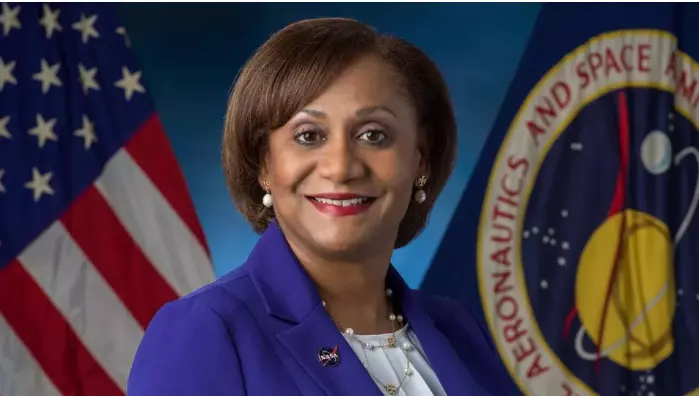
Vanessa Wyche, director of NASA’s Johnson Space Center, believes great leaders need one thing: failure. In a recent interview, she explained that failure is not something to fear—it’s a tool for growth. “You may fail, but you have to be willing to get the bruises,” she said. This mindset is essential for leading high-stakes work, innovation, and teams through uncertainty.
Wyche knows failure and risk management better than most. She leads the future of human spaceflight at NASA, where mistakes can cost lives, billions of dollars, and public trust. Her team manages the astronaut corps, the International Space Station (ISS), and the Artemis II lunar mission. With over 11,000 employees and contractors, every decision matters.
But Wyche says great leadership isn’t just about technical precision or discipline. It’s about building a culture where failure is seen as intelligence—not something to avoid. When teams feel safe to fail, they take smart risks and drive real innovation.
Failure Is Part of High-Performance Leadership
“I started thinking, how do I capture that?” Wyche reflected. “And I capture it in the word ‘grit’. It’s about passion and perseverance. Being passionate about what you want to do, but knowing it takes perseverance to get there.”
This isn’t blind optimism. It’s resilience and discipline to keep learning. “If you want to do something challenging for you and humanity, it requires us to give a lot. It requires us to take risks, but to understand and manage those risks,” she explained.
This lesson applies to every leader, not just those in space exploration. In 2026, you’ll face fast-paced, high-risk situations like:
- The AI revolution and process redesign
- Managing remote or hybrid teams
- Economic pressures inside and outside your organization
- Change management during leadership handovers
Risk-Averse Cultures Kill Innovation
It’s natural to think playing it safe is responsible. But risk-averse cultures actually hurt growth. They train people to protect themselves instead of finding better solutions. Wyche challenges leaders to think differently.
“You may not make it on the first try—whether it’s a technical challenge or a management challenge. You may fail. But you have to be willing to get the bruises, stand up, and say, ‘I’m going to try again,’” she said.
Leaders Model Failure as Intelligence
To build a culture that embraces failure, you must model it first. Wyche built resilience at NASA by rigorously analyzing what worked and what didn’t. She used failures as a reference for improvement, not something to hide.
For example, after the Artemis II mission, astronaut Reid Wiseman shared a key lesson: meals inside the Orion capsule were stored inconveniently. That small “failure” led to changes for the next mission. If risk had been avoided, those improvements wouldn’t have happened.
Innovation doesn’t come from hiding bruises. It comes from studying them, learning, and moving forward with more focus.
Your Leadership Challenge for 2026
If you want your team to take smart risks and be creative, you must show them how. Admit what didn’t work. Share what you’re learning in real time. Thank the people who tried. Encourage them to challenge assumptions and step out of their comfort zones—without fear.
Then raise the standard. In a growth culture, failure becomes data that builds stronger leaders and teams. That’s the real secret to high-performance leadership.














Comment