Employment Opportunities at Rift Valley Technical Training Institute Rift Valley Technical Training Institute (RVTTI) has announced multiple job vacancies for 2026. These opportunities are open to qualified candidates who want to contribute to the institu...
Job Openings at Mogo Finance Mogo Finance has announced multiple Technical Support Operator job vacancies across Kenya. These positions are open to qualified candidates who want to join a financial services provider specializing in long-term car financing...
Vacancies at Mwananchi Credit Ltd Mwananchi Credit Limited has announced several job openings across its branch network and product divisions. These positions are open to qualified candidates interested in joining one of Kenya’s established financial serv...
Ongoing Recruitment at Trans Nzoia County Water & Sanitation Company Ltd Trans Nzoia County Water & Sanitation Company Ltd has announced six management job vacancies for 2026. These opportunities are open to qualified candidates who want to contribute to ...
Vacant Positions at Platinum Outsourcing and Logistics Platinum Outsourcing & Logistics (E.A) Ltd has announced four job vacancies for 2026. These opportunities are open to qualified candidates who want to contribute to the company’s mission of providing ...
Job Openings at Summit Human Resource & Marketing Consultant Summit Human Resource & Marketing Consultant has announced new job opportunities across consulting, production, accounting, and sales. These positions are open to qualified candidates who want t...
Job Openings at Zetech University Zetech University has announced nine academic and technical job vacancies for 2026. These opportunities are open to qualified candidates who want to contribute to the institution’s mission of educating technology, science...
A true mentor doesn’t use knowledge to intimidate others or make junior colleagues feel inadequate for asking questions.
The best senior professionals are remembered for how they make others feel: supp... moreExperience alone doesn’t make someone a mentor.
A true mentor doesn’t use knowledge to intimidate others or make junior colleagues feel inadequate for asking questions.
The best senior professionals are remembered for how they make others feel: supported, respected, and confident enough to learn.
🌱 Strong leaders do more than pass on skills.
They create a safe space for questions.
They correct mistakes with patience.
They share knowledge without arrogance.
They help others grow without making them feel inferior.
Leadership is not about proving that you know more. It is about using what you know to help someone else become better.
Be the senior, manager, or colleague you once needed when you were starting your career.
If you already know you aren't going to hire a candidate, please don't invite them to interview.
An interview is not a casual chat. It takes:
⏱️ Hours of preparation
🚗 Travel expenses and scheduling gymnastics
🧠 Menta... moreDear HR and Hiring Managers,
If you already know you aren't going to hire a candidate, please don't invite them to interview.
An interview is not a casual chat. It takes:
⏱️ Hours of preparation
🚗 Travel expenses and scheduling gymnastics
🧠 Mental and emotional energy
Conducting "formality" interviews to complete a paper trail is a waste of a candidate's valuable time.
Respecting candidates is the loudest statement you can make about your company culture. Let's do better. less
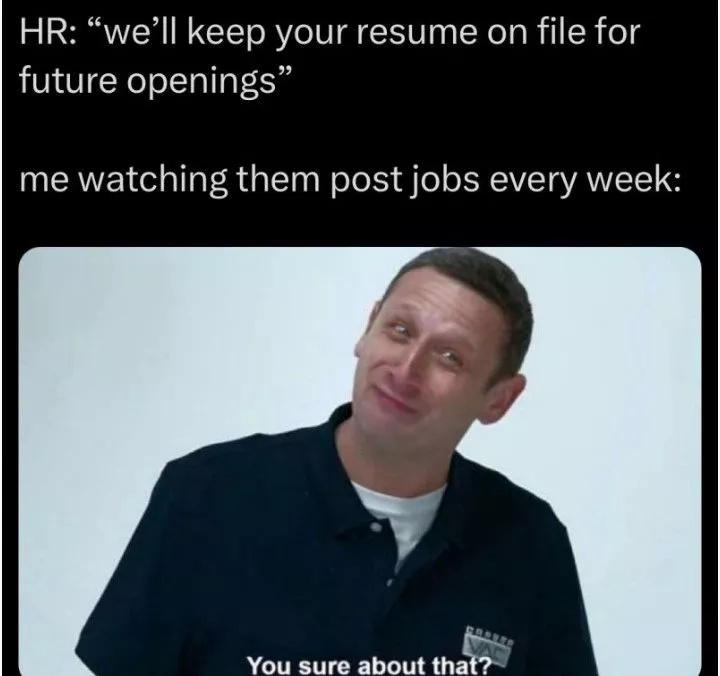
HR said: "We'll keep your CV on file for future openings."
Three weeks later...
The same company posts another vacancy.
You apply again.
Silence.
If this sounds familiar, you're not alone.
Here's what most job seekers don't realize:
"... moreHR said: "We'll keep your CV on file for future openings."
Three weeks later...
The same company posts another vacancy.
You apply again.
Silence.
If this sounds familiar, you're not alone.
Here's what most job seekers don't realize:
"We'll keep your CV on file" is often a polite way of ending the recruitment process not a guarantee you'll be considered for future roles.
That doesn't mean you should wait.
Instead:
✅ Rework your CV to match every new job description.
✅ Apply as if it's your first time.
✅ Keep building your LinkedIn presence.
✅ Upskill while others are waiting for a call that may never come.
Recruiters don't hire the candidate who applied first.
They hire the candidate whose profile best matches the role at the time they're recruiting.
So don't let one rejection convince you that the door is closed.
Sometimes it wasn't your experience that held you back.
Please don't call candidates for interviews if the hiring decision has already been made. Many applicants spend their limited money on transportation, clothes, and other interview preparations, hoping for a fair opportunity.
Please don't call candidates for interviews if the hiring decision has already been made. Many applicants spend their limited money on transportation, clothes, and other interview preparations, hoping for a fair opportunity.
If the position is already reserved for someone else, it wastes people's time, money, and hope. Every candidate deserves a fair and transparent recruitment process. less
Dear Recruiters, Stop Ghosting: It's Time to Respect Candidates' Efforts 💫 🛑
Recruiters, let's talk about something that often gets overlooked—ghosting candidates after multiple rounds of interviews. Imagine investing time, energy, and hope into a rol... moreDear Recruiters, Stop Ghosting: It's Time to Respect Candidates' Efforts 💫 🛑
Recruiters, let's talk about something that often gets overlooked—ghosting candidates after multiple rounds of interviews. Imagine investing time, energy, and hope into a role, only to be met with silence. It's more than just frustrating; it’s disheartening and can erode trust in the hiring process.
As recruiters, we hold significant power in shaping someone's career journey. That’s why it's crucial to communicate clearly and consistently, especially when a candidate has undergone several interview stages.
Here are a few reasons why we need to do better:
1. Respecting Their Time: Candidates invest hours preparing for interviews, researching the company, and showcasing their skills. The least we can do is provide timely feedback, even if it's a "no."
2. Maintaining Your Brand: How you treat candidates during the hiring process reflects directly on your company's reputation. Ghosting can lead to negative reviews, which can deter top talent from applying in the future.
3. Building Long-Term Relationships: Just because someone isn't the right fit now doesn't mean they won't be in the future. Maintaining a positive relationship, even after rejection, keeps doors open for future opportunities.
4. Empathy Matters: Remember, job searching can be an emotional rollercoaster. A little empathy goes a long way in making the process smoother for everyone involved.
Let’s commit to better communication. If a candidate isn’t moving forward, let them know. If there’s a delay, update them. Honesty and transparency aren’t just nice-to-haves; they’re essential for a respectful hiring process. less
Changing jobs isn’t a red flag🚩
Staying stuck in the wrong one is.
We need to stop treating career moves like instability
and start recognising them for what they are:
Growth.
Awareness.
Courage.
Because here’s the truth:
⚡ Staying in a role... moreChanging jobs isn’t a red flag🚩
Staying stuck in the wrong one is.
We need to stop treating career moves like instability
and start recognising them for what they are:
Growth.
Awareness.
Courage.
Because here’s the truth:
⚡ Staying in a role that no longer challenges you is not loyalty.
⚡ Staying in a culture that drains you is not resilience.
⚡ Staying in a place where you’re undervalued is not professionalism.
And on the flip side:
✅ Seeking better opportunities is ambition.
✅ Choosing environments that help you grow is wisdom.
✅ Moving toward alignment, not convenience is maturity.
Every new role is a chapter.
Every transition is a plot twist.
Every decision is part of your story;
not something to apologise for.
Requirements:
❌ 3–5 years of experience
❌ Expert in 8 tools
❌ Can work independently from day one
❌ Excellent communication skills
❌ Fast learner
❌ Can handle pressure
❌ Preferably with industry experience
❌ Salary: entry-le... more“Entry-level role.”
Requirements:
❌ 3–5 years of experience
❌ Expert in 8 tools
❌ Can work independently from day one
❌ Excellent communication skills
❌ Fast learner
❌ Can handle pressure
❌ Preferably with industry experience
❌ Salary: entry-level
Then companies ask:
“Why can’t we find good candidates?”
Maybe because the job post is confused.
You’re not looking for entry-level.
You’re looking for an experienced employee at an entry-level price.
And this is where many companies lose great people before they even apply.
Because talented beginners see the job post and think:
“I’m not qualified enough.”
Experienced candidates see the salary and think:
“This is not worth it.”
So the role stays open.
The team stays overloaded.
The hiring team keeps reposting the same vacancy.
And somehow, the problem becomes “lack of talent.”
Here’s the truth:
If you want experience, pay for experience.
If you want entry-level, train for potential.
But don’t ask for both and wonder why hiring is hard.
Great employees are not always found fully made.
Sometimes, they are built by companies willing to teach, trust, and develop them.
📌 Learning new skills won’t change your career… unless the world sees them.
Every year, thousands of professionals invest time learning new skills.
• They take online courses.
• They read books.
• They watch tutorials.
• They earn certificates.
... more📌 Learning new skills won’t change your career… unless the world sees them.
Every year, thousands of professionals invest time learning new skills.
• They take online courses.
• They read books.
• They watch tutorials.
• They earn certificates.
But months later, nothing changes.
No new opportunities.
No promotions.
No new offers.
Not because the skills are useless.
But because learning and showing you learned are two completely different things.
Many professionals upgrade their skills silently.
They learn design but never showcase a project.
They study data analysis but never publish insights.
They take leadership courses but never demonstrate leadership in visible ways.
And in the professional world, skills that are invisible rarely create opportunities.
Opportunities usually go to people who demonstrate value openly.
That could mean:
• Sharing insights from what you learned
• Applying new skills to real problems
• Publishing projects or case studies
• Teaching others what you now understand
The goal is not just to learn.
The goal is to make your growth visible.
Because the professional world doesn't reward potential.
It rewards visible impact.
Learning quietly improves you.
Showing what you’ve learned improves your opportunities.
In today’s fast-evolving professional world, job switches are not impulsive decisions, they are often well-thought-out steps toward better opportunities.
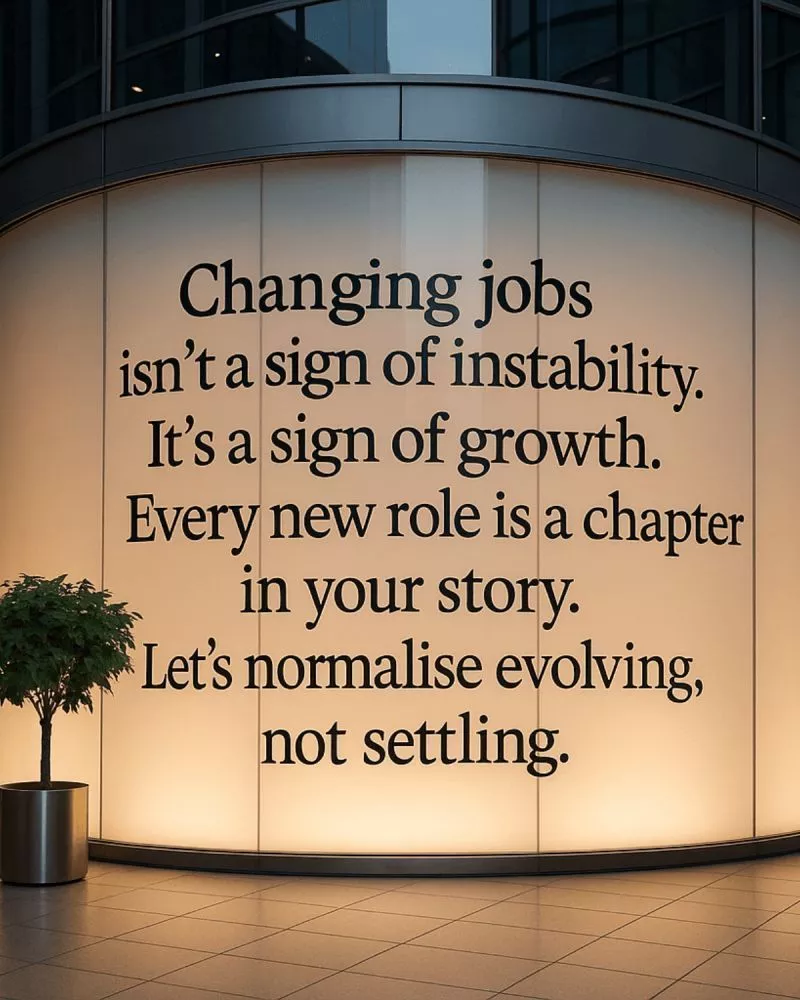
There can be many reasons ... moreChanging jobs isn’t a sign of instability.
It’s a sign of growth.
In today’s fast-evolving professional world, job switches are not impulsive decisions, they are often well-thought-out steps toward better opportunities.
There can be many reasons behind switching a job:
Looking for better growth opportunities
Seeking a healthier work environment
Upskilling or moving into a new domain
Better compensation and recognition
Work-life balance and personal priorities
Every role teaches something new, and every transition adds a new chapter to your journey.
Let’s normalize growth, learning, and evolving, not just staying in one place for the sake of stability.
Job hunting is already emotionally exhausting. Recruiters shouldn't be the reason it becomes even more discouraging.
Like many job seekers, I've experienced it all—being ghosted after interviews, dealing with unprofessional and disrespectful recruiters... moreJob hunting is already emotionally exhausting. Recruiters shouldn't be the reason it becomes even more discouraging.
Like many job seekers, I've experienced it all—being ghosted after interviews, dealing with unprofessional and disrespectful recruiters, and investing hours preparing for interviews only to receive a generic email saying, "Unfortunately, we won't be moving forward with your application."
That's it. No explanation. No feedback. No value.
If you've taken a candidate through multiple interview stages, the least you can do is provide meaningful feedback. Candidates invest their time, energy, and hope into your recruitment process. Many spend money on transport, take leave from their current jobs, rearrange their schedules, and prepare extensively because they genuinely want the opportunity.
A rejection isn't the problem. Rejection is part of life.
The problem is silence. The problem is vague responses that leave candidates questioning everything and learning nothing.
How are people supposed to improve if no one tells them where they fell short? Was it their technical skills? Their leadership experience? Their communication? Their cultural fit? Give people something they can work on instead of leaving them guessing.
Recruitment isn't just about filling vacancies—it's about people. Every CV represents someone trying to build a better future for themselves and their families. A little professionalism, transparency, and empathy can restore confidence, even when the answer is "no."
Treat candidates with the same respect you expect from them.
A rejection with meaningful feedback can inspire growth. Silence only creates frustration and discouragement.
• Job ads that say "competitive salary" instead of just telling people the salary.
• Cover letters that no one's really reading.
• 4+ interview rounds for one role.
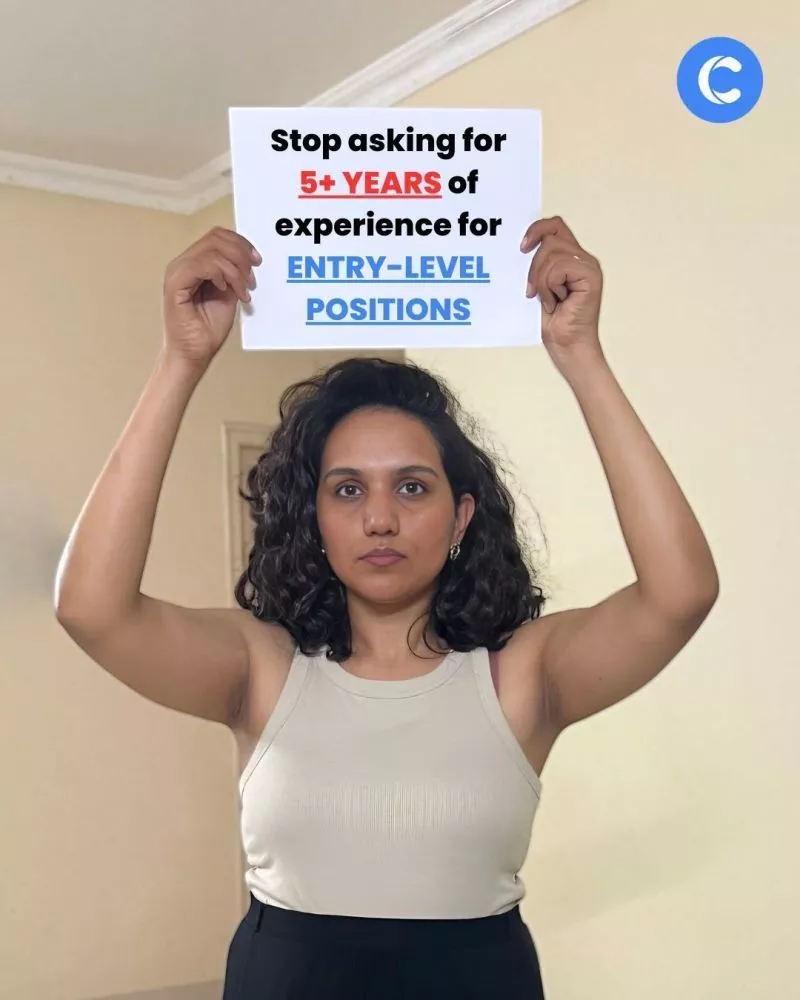
• ”Entry-level" jobs asking for 3+ years of experience.
•... moreAs a recruiter, I hate...
• Job ads that say "competitive salary" instead of just telling people the salary.
• Cover letters that no one's really reading.
• 4+ interview rounds for one role.
• ”Entry-level" jobs asking for 3+ years of experience.
• Salary only being discussed after multiple interviews.
• Companies wanting senior-level experience on a junior budget.
• Ghosting candidates after they've invested their time.
Hiring doesn't need to be this complicated.
A little more transparency would make a huge difference. less
1st Interview: Rejected.
2nd Interview: Rejected.
3rd Interview: Cleared the first round, failed the second.
4th Interview: Ghosted after the final round.
5th Interview: “Position filled.”
6th Interview: No response.
…and the cycle continued…
1... more1st Interview: Rejected.
2nd Interview: Rejected.
3rd Interview: Cleared the first round, failed the second.
4th Interview: Ghosted after the final round.
5th Interview: “Position filled.”
6th Interview: No response.
…and the cycle continued…
14th Interview: “We’ll get back to you.”
15th Interview: Got the offer. ✅
For some, it’s not 15. It’s 50.
For others, it’s even 100.
That’s the reality of job hunting. competition is fierce and openings attract hundreds of applicants.
Rejections are tough.
They drain you, dishearten you, and sometimes make you question your worth.
But here’s the truth:
You don’t need every company to say yes, you just need ONE.
• Every rejection builds resilience. It’s not failure; it’s preparation.
• Every interview teaches you something about the process, the role, or yourself.
• Every application gets you closer to the right opportunity.
It’s hard to stay motivated, especially when others are celebrating their offers. But your time will come.













 and 9 others