Alerts

-
5 minutes, 10 seconds
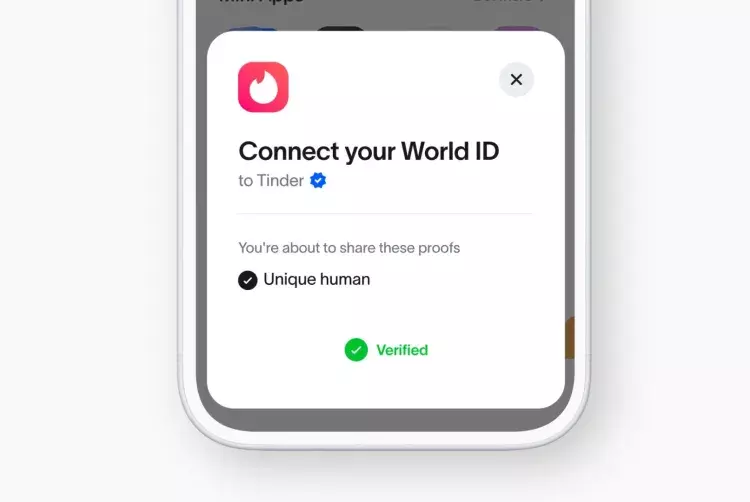
Curious about the World ID Orb and whether it’s worth using before a date? The biometric device linked to identity verification is quickly gaining attention for its ability to confirm real human users online. Backed by Sam Altman, the system scans your iris to create a unique digital identity. This ID can then be used across apps for verification, including dating platforms, video calls, and document signing. As concerns about fake profiles and scams grow, tools like this promise a new layer of trust—but also raise important privacy questions.
The World ID Orb operates by capturing a high-resolution scan of your iris, which is converted into a unique digital code. Unlike passwords or usernames, this biometric identifier is designed to prove that you are a real, distinct person. Once verified, users can link their World ID to services like dating apps or professional platforms.
Developers claim the process is secure and anonymized, meaning your actual biometric data isn’t stored in a way that can be reverse-engineered. Still, skepticism remains, especially among privacy advocates who question how such sensitive data might be handled long-term. The convenience is clear—but so are the concerns.
Online dating has long struggled with fake profiles, bots, and impersonation. Integrating World ID into dating platforms could help solve this by verifying that users are genuine humans. Imagine swiping through profiles knowing each one has been authenticated by a biometric scan—that’s the promise being pitched.
For users, this could mean fewer scams and more meaningful connections. It may also reduce “catfishing,” a common issue where individuals misrepresent themselves online. However, adoption depends on whether users are comfortable sharing biometric data just to prove authenticity in their dating lives.
The World ID system isn’t limited to dating. It’s also being explored for professional uses like verifying identities during video calls and confirming signatures on digital documents. This could make remote work more secure, ensuring that participants in meetings are who they claim to be.
For businesses, the appeal lies in reducing fraud and improving trust in digital transactions. Whether it’s signing contracts or attending virtual interviews, a verified identity could streamline processes. Still, the broader question remains: how much verification is too much in everyday digital interactions?
Despite its potential, the World ID Orb raises significant privacy concerns. Biometric data is highly sensitive, and once compromised, it cannot be changed like a password. Critics argue that even with anonymization claims, centralized systems could become targets for misuse or breaches.
There’s also the issue of consent and accessibility. Not everyone may feel comfortable—or even able—to participate in biometric scanning. As the technology expands, regulators and users alike will likely push for transparency and stronger safeguards to ensure ethical use.
Deciding whether to use the World ID Orb comes down to balancing convenience with privacy. On one hand, it offers a powerful tool for verifying identities and reducing online risks. On the other, it introduces new questions about data security and personal boundaries.
For some, the added layer of trust may be worth it, especially in environments where authenticity is critical. For others, traditional methods of verification and caution may feel more appropriate. As the technology evolves, user attitudes will ultimately shape whether biometric identity becomes the norm—or remains optional.







Comment