
-
5 minutes, 33 seconds
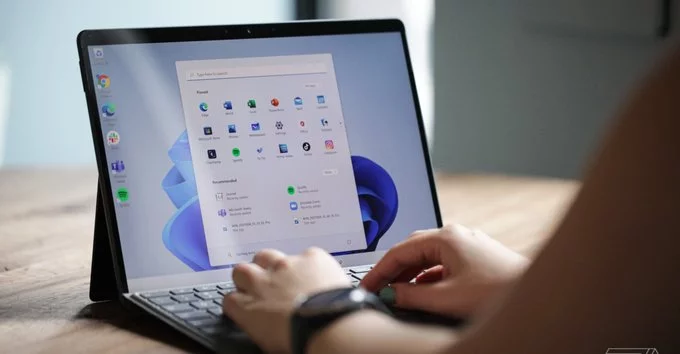
Windows 11 users can finally move the taskbar again—a feature many have been asking for since launch. Microsoft has confirmed that the long-awaited movable taskbar will roll out soon, allowing users to place it on the top or sides of their screen. This update also includes a smaller taskbar option and broader improvements aimed at fixing performance and usability issues. Here’s everything you need to know about the upcoming Windows 11 changes and why they matter.
Microsoft is officially restoring one of the most requested features in Windows 11: the ability to reposition the taskbar. Users will soon be able to move it from the default bottom position to the top, left, or right side of the screen. This change marks a significant shift from the original Windows 11 design, which removed this flexibility.
For many long-time Windows users, the movable taskbar wasn’t just a preference—it was essential for productivity. Its removal in 2021 sparked widespread criticism, especially from power users who rely on customized workflows. Now, Microsoft appears to be listening closely to feedback and reversing course.
The feature will first be available to early testers before gradually rolling out to all users later this year. This phased approach ensures stability while giving enthusiasts early access to try the improvements.
When Windows 11 first launched, Microsoft rebuilt the taskbar from the ground up. The redesign was influenced by an earlier project focused on dual-screen devices, which ultimately shaped the simplified interface users saw at release.
However, this redesign came at a cost. Key features like taskbar repositioning, small icons, and multi-monitor clock displays were missing. The result was a cleaner look, but a less functional experience for many users.
Over time, feedback has pushed Microsoft to reintroduce these features. The return of the movable taskbar signals a broader shift toward balancing modern design with user control. It’s also part of a larger effort to rebuild trust with users who felt Windows 11 launched incomplete.
Alongside the movable taskbar, Microsoft is also working on a smaller taskbar mode. This option will allow users to reduce the size of icons and overall taskbar height, creating a more compact desktop layout.
This feature is especially useful for laptops and smaller screens where space is limited. It also appeals to users who prefer a minimal, distraction-free interface. Combined with taskbar repositioning, it adds another layer of personalization to Windows 11.
The smaller taskbar is expected to arrive later in the year, following initial testing phases. Like the movable taskbar, it reflects Microsoft’s renewed focus on customization.
The taskbar updates are just one part of a larger overhaul planned for Windows 11. Microsoft is actively working to address concerns around performance, reliability, and everyday usability.
Recent updates have already introduced improvements such as enhanced notification features and better system responsiveness. These changes aim to make Windows 11 feel faster and more intuitive across different devices.
The company is also focusing on refining the overall user experience, ensuring that both casual users and professionals benefit from the updates. This ongoing development suggests that Windows 11 is evolving into a more polished and user-friendly operating system.
The return of the Windows 11 movable taskbar is more than just a minor tweak—it’s a clear response to user feedback. It shows that Microsoft is willing to revisit decisions and prioritize what users actually want.
For everyday users, this means greater flexibility and a more personalized desktop experience. For power users, it restores a level of control that was previously lost. Either way, the update is a step in the right direction.
As these features roll out, Windows 11 is gradually becoming the system many users hoped for at launch. The coming months could define how successfully Microsoft can turn feedback into meaningful improvements.

2.5K articles

1.4K articles

34 articles

28 articles













Comment