Alerts

-
4 minutes, 25 seconds
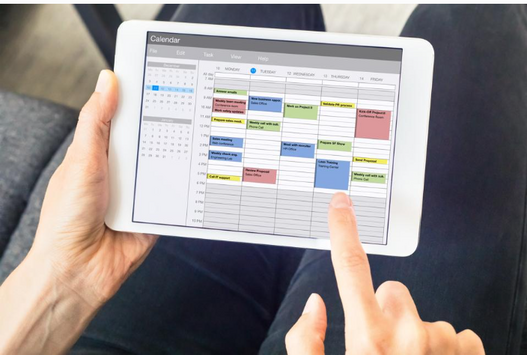
In today’s fast-paced work culture, time blocking has become a game-changer for employees looking to balance productivity and well-being. According to the 2024 Owl Labs State of Hybrid Work report, 58% of hybrid workers use time blocking to stay in control of their schedule and protect valuable focus time. But what exactly makes this method so effective? Let’s explore how time blocking works, why it’s gaining popularity, and how you can start using it to take charge of your workday.
With constant notifications, back-to-back meetings, and never-ending to-do lists, it’s easy to feel overwhelmed and reactive at work. Time blocking offers a proactive approach by allowing you to schedule dedicated time for important tasks—turning your calendar into a powerful productivity tool. Millennials, in particular, are leading the way: 57% of them block their calendars, compared to 14% of Gen Z, 22% of Gen X, and only 7% of baby boomers. Full-time office workers also report higher adoption rates compared to remote employees, proving that structured environments often demand stronger time management strategies.
At its core, time blocking involves dividing your day into specific chunks of time, each reserved for a particular task or type of work. For example:
8:00 AM – 8:45 AM: Write article (Focus Time)
9:00 AM – 9:45 AM: Client coaching session
11:00 AM – 11:45 AM: Team meeting
12:00 PM – 1:00 PM: Lunch and recharge
Think of it as making appointments with yourself. Instead of reacting to incoming demands, you plan your day around your priorities. This method helps avoid overcommitting, clearly communicates your availability, and reduces decision fatigue. Plus, it aligns with Parkinson’s Law: work expands to fill the time available, so setting limits helps you finish tasks efficiently.
Many people abandon time blocking because they make it too rigid. The key is combining structure with flexibility. Here’s how:
Use a system that fits you — Tools like Google Calendar, Outlook, Sunsama, or even a simple notebook can help.
Plan your priorities first — Schedule your most important work before your inbox hijacks your day.
Honor your natural energy — Reserve your peak energy hours for deep work.
Build in breaks — Recovery time boosts focus and creativity.
Adapt as needed — If something unexpected comes up, reschedule with compassion, not guilt.
Time blocking isn’t about perfection—it’s about creating mindful boundaries that support both productivity and self-care.
As highlighted in my book Timebox, effective time blocking is not about squeezing every second out of your day. It’s about focusing on what truly matters and building a healthy relationship with your time. Instead of self-criticism when things don’t go as planned, practice self-compassion:
“I did my best with the time I had.”
“What can I adjust tomorrow?”
“What one task can I focus on today?”
When you prioritize balance and mindful scheduling, you’ll transform your time management into a sustainable practice that supports your personal and professional well-being.










Comment