Alerts

-
2 minutes, 3 seconds
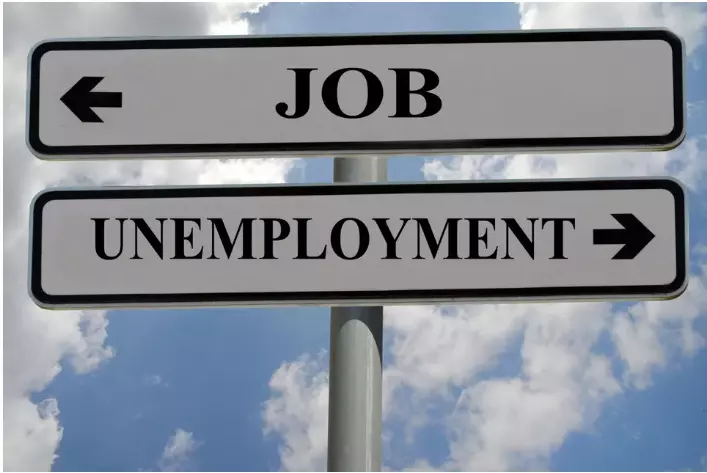
Long-term unemployment isn’t caused by a shortage of jobs. The real problem is a mismatch between what workers can do and what employers need today. A recent Wall Street Journal article reported that 27% of workers had been unemployed for 27 weeks or more in June — up 4 percentage points from a year earlier. This is the point where benefits and severance often run out, making the situation even more urgent.
Long-term unemployment is not just a labor market problem. It’s a transition problem. Our education and training system lacks the infrastructure to help people move into — and back into — the workforce. Without a clear system to guide workers, many get stuck.
Employers today expect workers to have specific skills from day one. They want proficiency with AI, data tools, and other modern technologies. In the past, companies hired based on degrees and trained workers on the job. That’s no longer the norm.
Many job seekers have some — but not all — of the skills employers want. Few programs exist to help them close those gaps. Adding more jobs alone won’t solve this. With unemployment at 4.2%, the issue goes beyond job creation.
The labor market and education system must work together. Internships, apprenticeships, and work-based learning programs show how this can work. These models help people gain experience, build connections, and prove their value to employers.
Until better systems exist, long-term unemployed professionals must take control. Here are practical steps to reconnect with the job market:
A stronger labor market won’t automatically pull you back in. You must become the architect of your own career transition. Continuously build and demonstrate the skills employers value. That’s how you break the cycle of long-term unemployment.










Comment