Alerts

-
9 minutes, 54 seconds
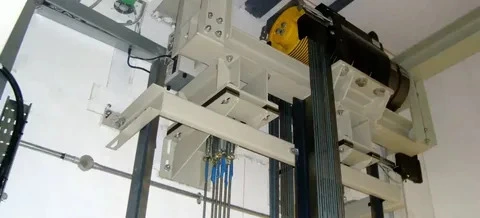
Elevators are a vital part of commercial buildings, ensuring efficient transportation of occupants throughout the day. Office towers, hospitals, hotels, retail complexes, and business complexes demand dependable vertical transportation which is in sync with building activities. Each lift project has to go through a well-defined process, first by engineering, construction, and safety planning and, finally, technical coordination to make the system operational.
Each lift project needs co-ordination from a number of specialists and technical disciplines. Engineers, contractors, suppliers and inspectors participate in all phases of a project. There is a structured programme to the commercial lift installation that involves planning, preparing equipment, installing the lift, inspections and final checks before the lift is put into use.
Commercial lift projects go through a series of related phases, and once the passengers start using the system, the lift project is complete. All phases help in safety, operation and regulatory compliance. Construction activities can be carried out smoothly and efficiently by coordinating the work between various project teams, thereby avoiding unnecessary delays during the construction process.
This project life cycle consists of planning, producing equipment, preparing a site, installing equipment, testing, documentation and concluding with an Approval. Communication between engineers, contractors, suppliers, and inspectors is critical to ensure the project's consistency of quality during each stage.
Every project starts with the specifications for the lift, which are determined by the purpose of the building, the anticipated passenger traffic and the amount of lift required. Technical drawings are completed after engineers consider travel height, how much air they need to lift, traffic flow, accessibility needs, and available installation space. These initial decisions inform the manufacturing and project scheduling decisions.
Once specifications have been approved, the manufacturers start to make the lift components as per the requirement of the project. Construction schedules and equipment deliveries are synchronised to minimise logistical difficulties and ensure timely deliveries by the suppliers and the installation and assembly crews.
Once equipment is onsite, the installation crew puts mechanical and electrical systems together as per the engineering specifications. All components must be properly installed in the lift shaft and meet safety and performance specifications.
Technicians do extensive inspections and operational testing after the installation and ask for the final approval afterwards. Data on compliance and results of the inspection are submitted to regulatory authorities for authorisation for public or commercial use.
Close collaboration of several technical professionals is required for commercial lift projects. Engineers, installers, electricians, inspectors and project managers need to collaborate with each other all the way through the commercial lift installation process. Communication helps to prevent conflicts during construction and keeps projects on schedule and on budget while maintaining high-quality installations.
Every team brings their expertise, which can impact the outcome. From the design process to the installation and maintenance and documentation, there is a need for clarity of responsibilities and ongoing coordination among project actors.
During the installation process, engineering teams create technical drawings and specifications for the equipment, as well as structural calculations and compliance requirements. They have designs which were created to match the design of buildings, as well as the expectations for lift and safety.
Design inspected,als also communicate with architects and structural engineers in the planning of the project. This partnership helps reduce design conflicts and allows for adequate space for lift shafts, machine rooms and building infrastructure.
Installation crews install guide rails, cabins, motors, doors, controllers and other support equipment per approved engineering plans. Careful workmanship ensures system alignment and minimize installation error during construction.
Work is inspected, and completed work is subjected to structured technical evaluation by inspection teams. They test and certify the equipment set-up, safety systems, operation and regulatory compliance prior to lifting for commissioning and final project completion
A successful lift project starts with a proper building preparation. Commercial lift installation requires a prepared structure, available utilities and construction coordination prior to the arrival of equipment on-site. These requirements are completed ahead of time to minimize installation disruptions and to enable the project schedule to be followed.
Also, site readiness helps in ensuring safety during construction activities. Contractors inspect structures for size, access for installation and utility connections prior to mechanical work. The planned preparation enables the different stages of installation to be completed with fewer changes than would otherwise be required.
Installation of the lift shaft cannot begin until it is in accordance with approved engineering drawings. Contractors check the distance of the shaft, the depth of the pit, the headroom clearance, and load-bearing structures to make sure that the structure will support the lift system they choose. Precision measurement minimises alignment problems with equipment installation.
Construction teams also check out floor openings, concrete quality, and support structures prior to lifting parts. Guide rails, landing doors and the lift cabin are supported by stable structures, which are created during preparation.
Prior to installing a commercial lift, all electrical power, communication wiring, ventilation and control connections need to be reliable. Utility preparation provides for the proper functioning of all utilities after mechanical equipment is installed. Good coordination also helps to minimise delays in commissioning.
When the technician comes to connect equipment, the machine room, control panel or electrical distribution area must be carefully verified. Utility preparations are done in an organized manner to enable electrical and mechanical systems to run together per project requirements.
Quality verification is not limited to the end of installation but is carried out during the entire installation process. During various construction phases, engineers, supervisors and inspectors review equipment alignment, operating accuracy, and performance of the systems. Regular checks ensure stability and prevent large-scale changes to be made later.
Documented technical standards and manufacturer requirements are followed for each inspection. With structured quality control, each component installed is assured to function properly prior to the lift undergoing final testing and regulatory review.
Mechanical inspections include checking guide rails, lift cabin movement, counterweight alignment and door operation. All the moving parts should move freely and stay aligned for the entire travel distance. Correct measurements verify the quality of installation.
Mechanical checks also confirm the ride comfort, vibration, stopping accuracy and equipment stability. These assessments determine small changes to be made prior to the lift moving forward to operational testing and project approval.
Safety verification is concerned with emergency systems, emergency sensors, control panels, communication devices, and emergency protection mechanisms. All safety features are required to function properly in normal and emergency conditions. Until the regulation inspections start, reliable performance is still very important.
Controlled operating tests also confirm backup operations, emergency stop and door protection devices. All critical systems operate in accordance with technical and safety requirements, as confirmed in full verification.
Project timelines can be impacted at various stages of the project, from planning to completion. Coordinating construction activities, equipment suppliers with inspection authorities and installation teams is required for commercial lift installations. Problems in one step generally impact the other steps in the project.
In project management, the need for scheduling can be reduced through regular communications and co-ordinated planning, which helps to avoid conflicts. Identifying potential challenges early enables teams to adjust timelines, ensuring high-quality installations and compliance with regulations.
Changes to a project's design are sometimes made during construction. Lift shaft dimensions or equipment placement may change due to structural modifications, layout or architectural changes. Technical evaluation needs to be done carefully before installation of these revisions can be continued.
The project teams are in close coordination in the event of a design update. When communication is effective, engineers, contractors and installers can make changes that the boss has approved without compromising safety or technical integrity.
Equipment delivery dates are influenced by a variety of factors, including manufacturing schedules, shipping timelines and supplier availability. For large commercial projects, special lift components have to be produced according to the project schedule and then sent to the site. Installation sequencing could be impacted by delayed deliveries.
During construction, project managers keep an eye on procurement to minimize delays. By coordinating delivery planning, the installation teams can be notified of the delivery of equipment when the building is ready for the next phase of the installation.
Owners of buildings should have a final project review prior to accepting the lift for regular service. The final phase of commercial lift installation is not completed until the technical documents, inspection records and operating systems are in place to satisfy the project requirements. Each stage of a project's development is verified carefully, and it's found that everything is done in the approved way.
A structured review also makes it possible for the owners to be aware of their future maintenance tasks and operating procedures. When reviewing documentation prior to handover, it can be confirmed that the lift system meets applicable standards and manufacturer's recommendations.
Technical documents are an accurate record of the project of installation. Inspection reports, compliance certificates, equipment manuals, warranties and maintenance schedules should be provided to building owners prior to project completion. These records make servicing and future regulatory inspections easy.
Documentation for the project also provides details on equipment installed and recommended equipment service intervals. Being able to keep these records organised means maintenance teams will be able to refer to accurate, technical information all the way through the operating life of the lift.
When the lift is in normal operation, routine maintenance is started. Owners of buildings need to set up service schedules, which include component evaluations, safety checks, and preventive maintenance activities, as well as inspections. Routine maintenance helps to minimise downtime and maximise equipment reliability.
Another part of maintenance planning is to identify competent service providers who have experience in commercial lifts. Long-term maintenance ensures the consistency of passenger safety and system operational efficiency and effectiveness.
Coordination of teamwork, careful planning, building preparation, and detailed inspections of quality are key to successful commercial lift projects. Each stage of the project adds to the safety and reliability of operation over the long term. Post-installation technical documentation, compliance checking and regular maintenance are no less important. By grasping the process for commercial lift installation, building owners and project managers can make well-informed decisions, ensuring the safety, efficiency, and durability of the equipment.
Factors affecting lift selection are building height, passenger traffic, level of space, and operational needs. The likelihood of these factors is assessed by the engineers before they can suggest the best one.
The duration of the project depends on the construction and the availability of equipment and depends on the building itself, its complexity and the construction progress. The installation also involves inspections and approvals prior to the lift going in to service.
In addition to functional tests, commercial lift installation also involves safety tests to ensure reliable performance and compliance.These inspections ensure critical systems are working within industry standards.
Owners should look at the inspection reports, compliance certificates, warranty, and maintenance schedules. Full documentation instills confidence that lift is ready for long-term use.


8.3K articles

2.7K articles

1.6K articles

34 articles








Comment