
Alerts
-
5 minutes, 2 seconds
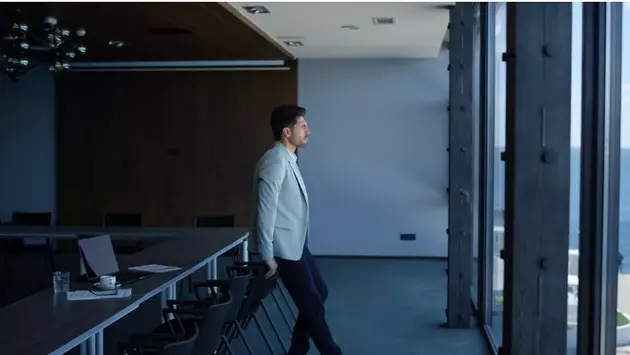
When AI creates time at work, many leaders ask the same question: what should fill the gap? Automation is speeding up tasks, reducing decision cycles, and removing layers of manual effort. Yet instead of clarity, many organizations experience confusion. The freed time often gets swallowed by extra meetings, reports, and coordination rituals. Leaders feel pressure to stay visibly busy. In the process, the original value of AI disappears. The real challenge is no longer productivity, but what leaders choose to do with the space AI creates.
For decades, leadership has been measured through activity and output. Being busy signaled importance, control, and contribution. When AI removes work, silence and open calendars feel threatening. Many leaders rush to refill time before it raises uncomfortable questions. This instinct creates “work about work” rather than progress. The danger is subtle but serious: leaders protect their identity instead of creating value. In an AI-driven environment, busyness becomes a liability.
When AI creates time, it is not offering downtime or reduced ambition. It is creating space for human judgment, creativity, and strategic thinking. That space is where insight forms and assumptions are challenged. However, this kind of work cannot be rushed or scheduled between meetings. It requires cognitive and emotional room to think without immediate outcomes. Organizations that treat space as inefficiency will miss AI’s true return. Space is the new infrastructure for value creation.
Many organizations fall into a familiar trap: automation without transformation. Productivity rises, but impact stays flat. Teams move faster while direction becomes blurrier. AI handles execution, yet leaders continue managing as if execution were still scarce. The real constraint has shifted to human judgment and sense-making. Without leadership change, AI simply accelerates old habits. Efficiency alone does not create future value.
The discomfort leaders feel around space is deeply personal. Most were promoted for having answers and making fast decisions. When answers are no longer immediately required, leadership feels exposed. Open time can feel like a loss of control. This explains why leaders often rush to fill gaps instead of using them. Space challenges identity before it challenges systems. Avoiding it feels easier than learning how to lead differently.
When AI creates time, leaders must intentionally redesign how they use it. Space does not appear by accident; it must be protected. Many leaders discover they spend most of their time reacting rather than shaping direction. Creating small pockets of unstructured thinking is the first step. Even brief pauses after meetings can change decision quality. Over time, leaders can build longer stretches of uninterrupted thinking. This is not indulgence; it is strategic discipline.
Under pressure, leaders often accelerate instead of slowing down. More emails, more meetings, more urgency feels productive. In reality, it blocks better judgment. Restraint becomes a leadership skill in itself. Doing less of what no longer matters creates room for what does. AI amplifies this truth rather than creating it. The faster work moves, the more valuable thoughtful pauses become.
AI creates capacity, but leadership decides what that capacity becomes. Leaders who fill every moment will exhaust their teams and stall innovation. Leaders who protect space allow new ideas, better decisions, and adaptive strategies to emerge. The future of work will not reward constant motion. It will reward intentional leadership. When AI creates time, the leaders who respect it will shape what comes next.










Comment