
Alerts
-
7 minutes, 30 seconds
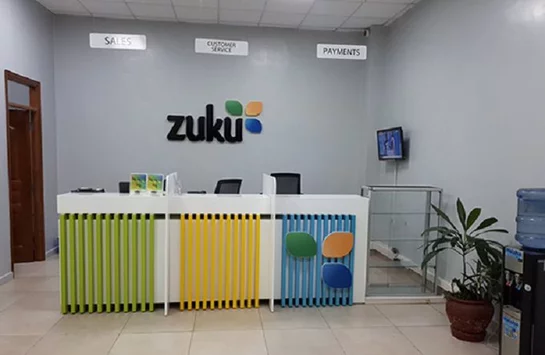
The Wananchi debt fight has reignited questions many consumers quietly ask: how sustainable is Kenya’s fast-paced fibre expansion? Within the first few days of the insolvency demand becoming public, readers wanted to know whether Zuku services were at risk, what the Sh46.9 million claim actually means, and whether this signals deeper trouble in the broadband sector. The short answer is that services remain stable, but the longer story reveals growing financial pressure across the fibre industry. What looks like a routine supplier dispute is exposing uncomfortable truths about cash flow, competition, and the true cost of staying connected.
On paper, a Sh46.9 million insolvency demand is not large for a national telecommunications operator. By industry standards, it barely dents annual turnover. Yet the legal mechanism behind it changes the stakes entirely. Under insolvency law, failure to respond within 21 days can be treated as evidence of insolvency, regardless of the amount involved.
That legal threshold transforms a commercial disagreement into a reputational and financial stress test. Even if the issue is delayed payment rather than inability to pay, the optics matter. Investors, lenders, and suppliers pay attention when insolvency language enters the conversation. For Wananchi, the demand lands less as a balance-sheet threat and more as a signal flare to the wider market.
Wananchi has not publicly commented on the claim, and that silence is being interpreted in different ways. Creditors may read it as hesitation, while competitors see opportunity to question resilience. Customers, on the other hand, mostly care about whether their internet works. So far, it does.
Still, in capital-intensive industries, perception can move faster than facts. An unanswered insolvency demand can unsettle supplier relationships and slow negotiations. Even without service disruption, the reputational ripple spreads quickly. In a sector built on trust and long-term contracts, perception becomes almost as important as performance.
Fibre broadband appears predictable from the outside. Monthly subscriptions arrive on schedule, demand keeps rising, and infrastructure promises long-term returns. The reality behind the cables is far more complex. Network expansion depends on imported equipment, foreign currency exposure, and vendors who expect timely payment.
Revenue grows gradually as households sign up and stay connected. Costs, however, arrive upfront and often in large chunks. Optical cables, network units, and last-mile equipment must be paid for long before they generate returns. This mismatch creates chronic cash-flow tension, especially when operators compete aggressively on price.
Suppliers operate on thinner margins than telecom operators and usually extend credit to support large rollout projects. When payments slip beyond agreed terms, pressure escalates quickly. Insolvency demands are often less about forcing liquidation and more about compelling a response.
In the Wananchi debt fight, the supplier’s move reflects this reality. When engagement stalls, legal pressure becomes a tool of last resort. The case highlights how dependent fibre expansion is on trust between operators and vendors. Once that trust weakens, the entire rollout pipeline feels the strain.
Kenya’s broadband footprint has grown rapidly over the past decade, especially in dense urban areas. Prices have steadily fallen as operators chase subscribers and defend market share. For consumers, this has been a win. For operators, margins have thinned.
The result is a sector that looks expansive on maps but tight in operating cash. Growth metrics remain impressive, yet profitability lags behind expectations. The Wananchi debt fight illustrates how scale alone does not guarantee financial comfort. In many cases, it amplifies pressure.
Wananchi built its brand on bundled television and internet services. Over time, global streaming platforms reduced the central role of traditional pay television. Broadband became the anchor product almost by necessity rather than choice.
That pivot required fresh investment in fibre at a moment when consumer expectations were rising and prices were falling. Faster speeds, wider coverage, and lower monthly fees became the norm. Meeting those expectations meant spending more while earning less per customer. The financial balancing act grew increasingly delicate.
This dispute is unlikely to topple Wananchi on its own. However, it acts as a warning sign for the entire fibre ecosystem. Rapid expansion without aligned payment cycles leaves operators exposed. Suppliers, in turn, become less patient as their own costs rise.
The broader question is whether the current fibre race can continue at the same pace without structural changes. More disciplined expansion, realistic pricing, and stronger supplier relationships may become unavoidable. Otherwise, similar disputes will surface again, each one chipping away at confidence.
The Wananchi debt fight does not mean Kenya’s fibre story is failing. Demand remains strong, and connectivity continues to improve. What it does show is that resilience matters as much as reach. Sustainable growth requires financial breathing room, not just network coverage.
As the market matures, operators may need to slow expansion slightly to stabilise cash flow. For consumers, that could mean fewer headline-grabbing rollouts but more reliable long-term service. In the end, the uncomfortable question raised by this case may help shape a healthier fibre market for everyone.










Comment