Alerts

-
2 minutes, 1 second
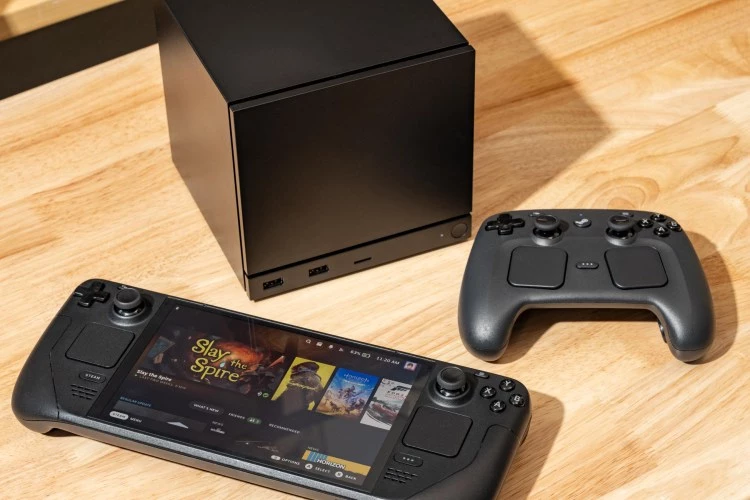
In a recent interview, Valve described just how brutal RAM negotiations are in 2026. The company revealed that memory suppliers hold immense power, making it nearly impossible to push back on pricing or terms. According to Valve, 'If we say no, then they never talk to us again.' This highlights the extreme leverage RAM manufacturers have over hardware companies like Valve.
The memory market is highly concentrated. A few key players—like Samsung, SK Hynix, and Micron—control most of the global supply. When demand for RAM spikes (due to AI, gaming, or data centers), these suppliers can dictate terms. For Valve, this means accepting higher prices or risking losing access to critical components.
Valve’s quote reveals the real fear: rejection leads to permanent silence. If Valve refuses a price increase or unfavorable contract, the RAM supplier may cut off all future communication. This leaves Valve scrambling for alternatives, often at even higher costs. The result is either higher prices for consumers or thinner margins for Valve.
For products like the Steam Deck, RAM is a core component. If negotiations fail, Valve might face delays, redesigns, or reduced performance. This directly affects gamers waiting for new releases. The company must balance keeping costs low while ensuring a steady supply of quality memory.
If you’re a hardware company dealing with tough RAM negotiations, here are some strategies:
Valve’s experience shows that memory negotiations are more than just business—they’re survival. The company’s honest admission reminds us that even tech giants can be vulnerable. For consumers, this means understanding that hardware prices often reflect these behind-the-scenes battles. For industry watchers, it’s a clear sign that the RAM supply chain needs more competition.










Comment