Alerts

-
4 minutes, 4 seconds
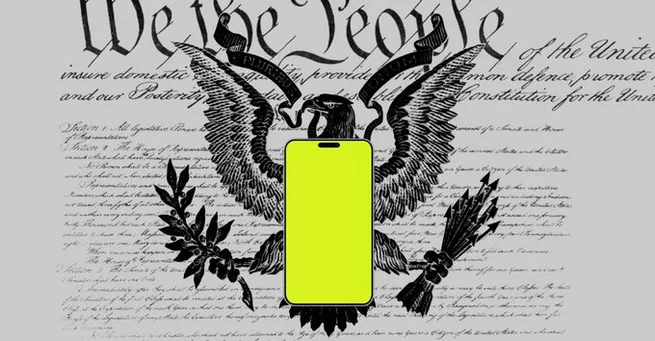
The Trump administration may soon make social media history a mandatory part of US entry requirements. According to a new proposal from US Customs and Border Protection (CBP), travelers from 42 countries—including Australia, France, the UK, Germany, and Japan—might have to share their social media accounts when applying for the Electronic System for Travel Authorization (ESTA). The change aims to tighten security but raises concerns about privacy and international relations.
Currently, visitors from the 42 countries can enter the US visa-free for up to 90 days. Under the new proposal, they would need to submit their social media handles covering the last five years. CBP could also request additional data “when feasible,” such as email addresses used over the past decade, phone numbers from the last five years, and detailed family information. Biometric data might also be required, expanding the scope of personal details collected during the travel screening process.
This proposal follows a pattern from Trump’s previous administration, which already required some visa applicants to disclose social media accounts. Earlier in 2025, US Citizenship and Immigration Services suggested reviewing social media profiles for green card, citizenship, asylum, and refugee applications. The State Department also began asking visa applicants to make social media accounts public in June, signaling a growing focus on online activity in immigration and travel vetting.
Critics argue that mandatory social media checks could infringe on privacy and deter international tourism. Advocates, however, view the move as an extension of national security measures, helping authorities identify potential risks before travelers enter the country. The proposal could spark debates about the balance between safety and privacy, especially for travelers from countries with strict data protection regulations.
Beyond social media accounts, CBP’s draft guidance suggests travelers may need to submit additional personal data if possible. This includes email addresses, phone numbers, extensive family connections, and biometric identifiers. Currently, the ESTA process already collects basic information such as home addresses, emails, phone numbers, and emergency contacts, but the new proposal would significantly broaden the scope of personal data required.
The CBP has opened the proposal for a 60-day public comment period. Experts anticipate strong responses from privacy advocates, travel industry groups, and international governments. The feedback could influence whether the plan is implemented, modified, or delayed, leaving many travelers uncertain about how it will affect future visits to the US.
If implemented, the social media review could reshape how international tourists approach travel to the United States. Companies in tourism, hospitality, and visa services may need to adjust their procedures to accommodate the expanded data requirements. For travelers, it means preparing social media histories and other personal data well in advance, potentially impacting travel planning and privacy expectations.








Comment