Alerts

-
4 minutes, 33 seconds
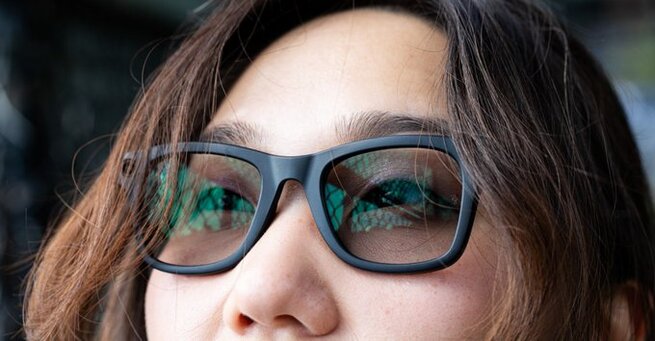
The question on everyone’s mind: what do you call the latest generation of glasses-shaped computers? “Smart glasses” no longer cuts it. Enter AI glasses, AR glasses, and wired XR glasses—terms that signal a new era where eyewear is more than just a fashion statement. From Google’s Project Aura to Meta’s Ray-Ban AI glasses, these devices combine sleek design with artificial intelligence, creating experiences far beyond traditional smart eyewear.
At a recent Google demo, even insiders couldn’t agree on the right term. “Smart glasses” feels outdated, implying basic notifications or AR overlays. Companies now emphasize AI to highlight intelligence baked into the glasses, not just augmented reality features. Meta’s executives have called their Ray-Ban glasses the perfect vehicle for AI, signaling that the next wave of wearables is about proactive, context-aware technology.
Interestingly, Google itself has started labeling certain products as AI glasses—but not all. According to Juston Payne, Google’s director of product management for XR, AI glasses are stylish, lightweight, and integrate artificial intelligence directly into the user experience. Project Aura, the demo device, doesn’t fit this description entirely, showing the blurry lines between marketing labels and technical definitions.
Project Aura demonstrates another trend: wired XR glasses. Unlike standalone AI glasses, these devices connect to external processors or “pucks” to deliver advanced AR functionality. Xreal and Google both explore this format, which prioritizes performance and high-fidelity visuals over untethered convenience. For early adopters, this distinction could determine which device suits their needs best.
Meta’s approach emphasizes AI as the main selling point. By branding Ray-Ban glasses as AI glasses, the company aims to differentiate from earlier smart eyewear like Google Glass. The idea is simple: these glasses are not just for information display—they actively enhance how you interact with the world, from AI-powered photography to real-time insights.
The wearable tech industry is still sorting out its language. Cambridge Dictionary defines smart glasses as “a pair of glasses that contain computer technology” to provide information or function like a smartphone. Yet brands are increasingly using terms like AI glasses or AR glasses to signal novelty and sophistication. Consumers are left to navigate a maze of marketing terms and technical jargon.
For buyers, the key takeaway is to look beyond labels. AI glasses, AR glasses, and wired XR glasses may look similar but offer vastly different experiences. AI integration, lightweight design, or external processing could determine usability, style, and functionality. As the market matures, clarity in naming and purpose will be essential for adoption.
The future of AI glasses is bright but still evolving. With companies like Google, Meta, and Xreal pushing boundaries, consumers can expect smarter, more capable devices in the coming years. Understanding the distinctions between AI, AR, and XR glasses today will help early adopters navigate tomorrow’s rapidly advancing wearable tech landscape.










Comment