
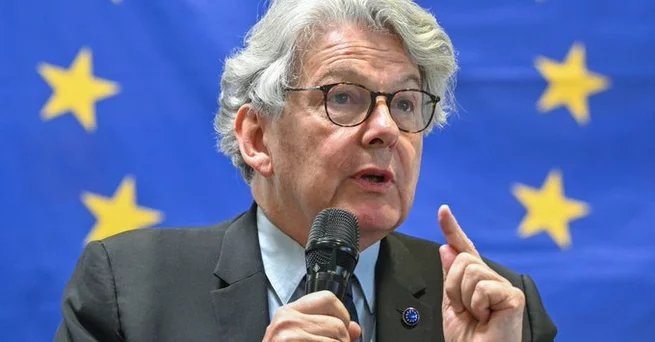
In a dramatic escalation of the transatlantic clash over online speech, the Trump administration has barred five foreign individuals—including former EU Commissioner Thierry Breton and prominent anti-hate researchers—from entering the United States. The move, announced by Secretary of State Marco Rubio on December 23, 2025, targets figures linked to digital content moderation efforts that have clashed with Elon Musk’s X (formerly Twitter). This action answers growing public questions about U.S. retaliation against foreign oversight of American tech platforms—and signals a hardening stance on global regulation of online speech.
Among those sanctioned is Thierry Breton, the former EU Commissioner for the Internal Market, widely viewed as the chief architect of the EU’s landmark Digital Services Act (DSA). U.S. Under Secretary of State Sarah Rogers labeled Breton “the mastermind” of the law, specifically referencing a 2024 letter he sent to Elon Musk ahead of a livestreamed event with Donald Trump. In it, Breton reminded X of its legal obligations under the DSA to curb illegal content and disinformation—a message the Trump administration now interprets as foreign overreach.
Also banned are researchers from organizations dedicated to tracking and curbing online hate, including Imran Ahmed of the Center for Countering Digital Hate (CCDH). Ahmed’s group gained notoriety after publishing reports accusing X of amplifying harmful content. Musk sued CCDH in 2023 in a case dismissed by U.S. District Judge Charles Breyer, who wrote that the lawsuit appeared designed “to punish CCDH for its criticism of X Corp.” Now, Ahmed and his colleagues—including Anna-Lena von Hodenberg and Josephine Ballon of Germany’s HateAid—are deemed deportable if already in the U.S., and barred from future entry.
The sanctions mark a significant rupture in U.S.-EU digital policy relations. For years, the EU has pushed Big Tech to comply with stricter transparency and accountability standards, while successive U.S. administrations largely resisted external oversight. But the Trump administration’s latest move frames such efforts not as consumer protection but as ideological interference. Secretary Rubio warned the list could expand: “The State Department stands ready and willing to add more names if foreign actors don’t reverse course.”
Supporters of the ban argue it defends American sovereignty and free speech from foreign bureaucracies seeking to dictate content standards. Critics, however, warn it undermines international cooperation on disinformation and emboldens authoritarian regimes to justify their own crackdowns on civil society. “This isn’t about free speech—it’s about shielding platforms from accountability,” said a digital rights advocate who requested anonymity due to security concerns.
Though not officially part of the U.S. government, Musk’s public battles with Breton and anti-hate groups appear to have influenced the administration’s stance. His failed lawsuit against CCDH and repeated clashes with EU regulators over DSA compliance helped fuel political narratives about “foreign censorship.” The timing of the sanctions—weeks after X was fined €125 million by the EU for deceptive verification practices—suggests a coordinated pushback against Brussels’ regulatory power.
The sanctions could have ripple effects far beyond the individuals named. Experts fear they may deter international researchers from collaborating with U.S. institutions or speaking out against platform harms. Meanwhile, EU officials have condemned the move as “unprecedented” and “politically motivated.” With the 2025 U.S. election cycle heating up, the issue of who controls online speech—governments, platforms, or civil society—remains one of the most volatile flashpoints in global tech policy.
As the world watches, one thing is clear: the battle over digital accountability has crossed from courtrooms and boardrooms into the realm of geopolitics—and there’s no easy path back.
Trump Admin Bans EU Official and Anti-Hate Re... 0 0 0 3 2
2 photos

𝗦𝗲𝗺𝗮𝘀𝗼𝗰𝗶𝗮𝗹 𝗶𝘀 𝘄𝗵𝗲𝗿𝗲 𝗽𝗲𝗼𝗽𝗹𝗲 𝗰𝗼𝗻𝗻𝗲𝗰𝘁, 𝗴𝗿𝗼𝘄, 𝗮𝗻𝗱 𝗳𝗶𝗻𝗱 𝗼𝗽𝗽𝗼𝗿𝘁𝘂𝗻𝗶𝘁𝗶𝗲𝘀.
From jobs and gigs to communities, events, and real conversations — we bring people and ideas together in one simple, meaningful space.




Comments