Alerts

-
5 minutes, 39 seconds
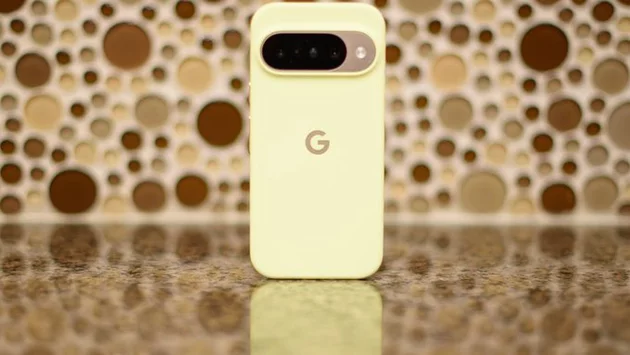
At the close of 2025, Google finds itself at a crossroads. The Pixel 10 series—comprising the standard Pixel 10, Pixel 10 Pro, Pixel 10 Pro XL, and Pixel 10 Pro Fold—delivers a clean Android experience and cutting-edge AI tools. But with Tensor chips lagging behind Apple’s A18 and Qualcomm’s latest Snapdragon offerings, performance gaps are starting to hurt. Users searching for “Pixel 10 worth it?” or “Should I buy a Pixel 10 in 2026?” are increasingly met with mixed answers. For all its software charm, Google’s flagship now needs more than clever AI tricks to stay competitive.
Google’s 2025 strategy introduced four distinct Pixel models—a move that muddles consumer choice rather than clarifying it. The differences between the Pixel 10 Pro and Pro XL are subtle, and the foldable Pixel 10 Pro Fold appeals to a niche audience still wary of durability and pricing. Unlike Samsung’s clearly segmented Galaxy S and Z lines, or Apple’s intuitive iPhone numbering, Google’s naming lacks consistency. Shoppers don’t just want options—they want clarity. Without a simplified hierarchy, even loyal Android fans may drift toward alternatives with sharper identity and purpose.
For years, Google has pitched its custom Tensor chips as enablers of AI-first experiences—things like Magic Editor, Call Assist, and real-time translation. And while those features impress, they can’t mask the hardware reality: Tensor still trails in raw speed, gaming performance, and thermal efficiency. Benchmarks don’t lie, and in 2026, power matters more than ever. As AI processing shifts toward on-device computation, Google must either dramatically improve Tensor’s architecture or reconsider partnerships with industry leaders to close the gap—fast.
Google once had Android all to itself—at least in terms of update speed and feature access. But Samsung now delivers seven years of updates, and even mid-range rivals offer near-stock experiences through One UI and OxygenOS. Meanwhile, Apple’s iOS 19 introduces AI features that rival Google’s own. The Pixel’s “software lover’s phone” tagline no longer guarantees loyalty. If Google wants to retain its edge, it must not only refine its UX but also ensure those software perks translate into real-world performance and reliability.
The Pixel 10 Pro Fold was meant to signal ambition—but it entered a market already dominated by Samsung’s refined Galaxy Z Fold 6 and Huawei’s innovative Mate X5. Priced aggressively and lacking the premium feel of its rivals, Google’s foldable feels like a first draft rather than a flagship. Without a clear use case or standout advantage (beyond software), it risks becoming a footnote. In 2026, Google needs either to double down with a truly differentiated foldable—or pivot resources toward perfecting its core lineup.
The fix isn’t complicated, but it demands bold choices. First, streamline the Pixel 10 family to three models max—standard, Pro, and one compelling foldable. Second, prioritize Tensor performance over incremental AI gimmicks. Third, reinforce E-E-A-T (Experience, Expertise, Authoritativeness, Trustworthiness) by delivering consistent, long-term support and transparent communication about hardware limitations. Most importantly, align marketing with reality: if it’s not the fastest phone, sell it as the smartest—but only if it truly is.
As we head into 2026, Google’s window to course-correct is narrowing. Consumers are savvier, competition is fiercer, and “good enough” no longer cuts it. The Pixel 10 has heart, intelligence, and design flair—but without meaningful gains in power and a clearer product story, it risks fading into the background of a market it once helped define. For the Pixel to thrive, Google must stop compromising and start committing—with hardware that matches its software ambition.










Comment