
Alerts
-
5 minutes, 0 seconds
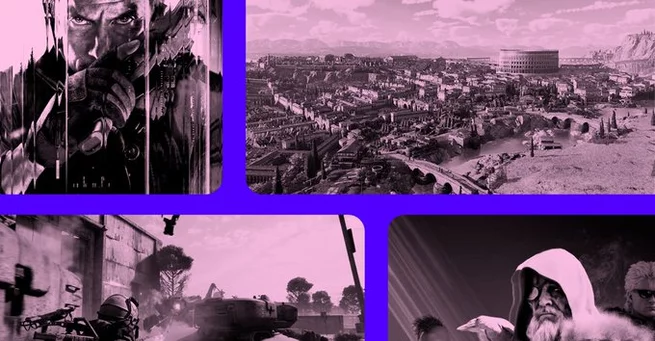
2025 marked the year generative AI stopped being a speculative tech demo and became a real force inside video games—and game development. From dialogue systems to NPC behavior, AI is now embedded in some of the year’s biggest releases, including Game of the Year contenders. But as major studios race to integrate gen-AI tools, a growing number of indie developers and fans are pushing back, worried that automation could erode the soul of game creation.
Industry giants didn’t just dabble in AI—they leaned in hard. Ubisoft rolled out AI-generated NPC dialogue, allowing characters to respond dynamically with context-aware “barks.” Electronic Arts teamed up with Stability AI to streamline asset creation, while Microsoft deployed internal AI tools to analyze player behavior and even generate new gameplay scenarios. Companies like Square Enix, Nexon, and Krafton also made public commitments to fold gen-AI into their pipelines, arguing it helps tackle ballooning budgets and years-long development cycles.
Supporters say generative AI could democratize game development, especially for smaller studios. By automating repetitive tasks—like texture generation, voice line recording, or level layout—AI might free up creatives to focus on storytelling, design, and innovation. In an industry battered by layoffs and project cancellations, the allure of cutting both time and costs is undeniable. Some even suggest AI could empower solo devs to build experiences once reserved for AAA teams.
Despite the optimism from executives, rank-and-file developers—especially in the indie scene—are sounding alarms. Many worry that unchecked AI adoption threatens jobs, especially for artists, writers, and sound designers whose work is now being used to train proprietary models without consent or compensation. In response, a quiet but growing movement has emerged: devs are now proudly labeling their games as “100% AI-free,” signaling a commitment to human-made artistry.
Gamers are split. Some praise AI-driven features like dynamic dialogue or endlessly replayable side quests. Others complain that AI-generated content feels hollow, repetitive, or eerily off-brand. Social media buzzed this year with clips of NPCs spouting bizarre, off-script lines or textures that glitched into surreal artifacts. For a medium built on immersion, these misfires can break the magic—and trust. As one Reddit thread put it: “If I wanted to talk to a chatbot, I’d open my browser—not boot up CyberSaga 4.”
The ethical questions around AI in gaming have never been louder. Who owns the data used to train these models? Can a game feel “authentic” if its assets were scraped from artist portfolios without permission? And if AI writes your quest dialogue, is it still your story? These aren’t hypotheticals anymore—they’re live debates shaping studio policies, union demands, and even consumer choices heading into 2026.
One thing is clear: AI isn’t going away. But its role remains hotly contested. Will it become a quiet tool in the developer’s kit—like Photoshop or Unity—or will it reshape what games are? The answer may depend on whether the industry can balance efficiency with ethics, and whether players continue to value human touch over algorithmic convenience. As 2025 closes, the battle over AI in gaming isn’t just about technology—it’s about the future of creativity itself.









Comment