
Alerts
-
1 minute, 51 seconds
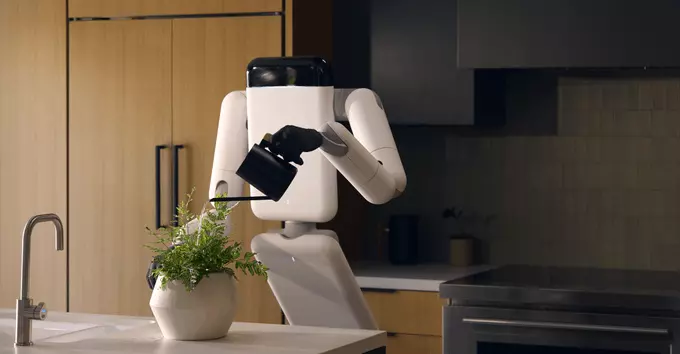
The next humanoid robot might not look human at all. While many people imagine robots with two arms, two legs, and a face, the future of robotics is shifting toward designs that prioritize function over form. Engineers are now building robots that solve real-world problems—without copying human anatomy.
Humanoid robots are machines designed to perform tasks in human environments. But looking human isn't always the best approach. For example, a robot that stocks shelves doesn't need a head or legs. It just needs arms that can reach and grip.
Robots like Amazon's Proteus or Boston Dynamics' Stretch already show this shift. They move boxes, scan shelves, and navigate warehouses—all without a human-like body. These designs are cheaper, faster, and easier to maintain.
There are cases where a human-like appearance helps:
Non-humanoid robots offer clear advantages:
Take the Spot robot from Boston Dynamics. It walks like a dog, not a human. Yet it inspects factories, maps mines, and helps in search-and-rescue. Another example is Digit from Agility Robotics, which has legs but no upper body—just arms that fold boxes.
Yes, but only in specific roles. Robots that look human will likely remain rare because they're expensive and complex. Instead, most robots in homes and workplaces will look like tools—not people.
As a consumer or business owner, don't expect a robot that looks like you. Expect robots that look like what they do: movers, cleaners, helpers. The next humanoid robot might not look human at all—and that's actually a good thing.










Comment