Alerts

-
3 minutes, 48 seconds
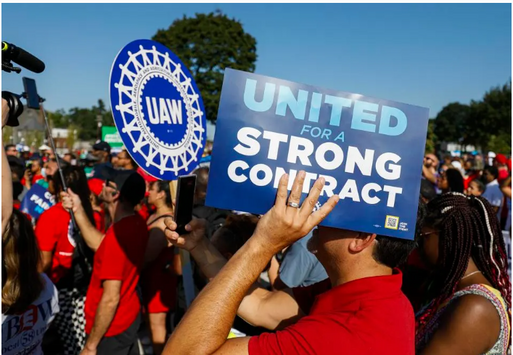
In recent years, labor activism has seen a surprising resurgence. While union membership in the private sector dipped below 6% in 2024, and public sector union membership sits around 32%, growing worker frustration and bold organizing efforts are fueling a new wave of collective action. This surge in labor activism reflects a shifting workforce eager to reclaim stability, fair wages, and better working conditions — especially in a time when many feel increasingly vulnerable in an unpredictable job market.
The current surge in labor activism is largely driven by worsening job conditions. As companies expand noncompete clauses, implement erratic scheduling, and shift toward independent contracting, many workers find themselves facing unstable wages, limited benefits, and shrinking job security. Journalist Brigid Schulte and sociologists Erin Kelly and Phyllis Moen have documented how these trends rob workers of financial stability, work-life balance, and even basic health needs like consistent sleep. In response, workers are seeing unions as a powerful tool to regain control over their professional lives.
Beyond traditional unions, worker centers are becoming crucial platforms for collective action. Unlike traditional unions tied to specific industries or companies, worker centers unite people across sectors based on shared challenges or identities — such as low-wage workers, Black workers, or immigrants. Labor expert Tom Kochan highlights how these centers empower workers to collectively address issues like unsafe working conditions, wage theft, harassment, and unfair company policies. Recent successes, like MIT graduate students securing childcare subsidies or Whitney Museum employees winning pay raises, showcase the tangible benefits of these newer organizing efforts.
Despite growing support for labor activism, significant obstacles remain. Federal cuts to workplace safety programs, weakened collective bargaining rights for federal employees, and leadership changes at the National Labor Relations Board (NLRB) all threaten to undermine these movements. Recent reductions in federal contractor wages and diminished enforcement of labor laws risk creating an even more unstable environment for workers. Whether these barriers will dampen the current momentum or inspire further activism remains uncertain — but the correlation between worker dissatisfaction and collective action is stronger than ever.
The long-term impact of this labor activism surge depends on several evolving factors. Worker frustration with low wages, unsafe conditions, and precarious employment models shows no sign of fading. However, sustained momentum will likely require continued innovation in organizing strategies, stronger legal protections, and broad public support. As more high-profile organizing efforts emerge at companies like Amazon and Starbucks, the labor movement may indeed be entering a transformative new era — one where collective bargaining adapts to meet the realities of today’s workforce.










Comment