Alerts

-
5 minutes, 24 seconds
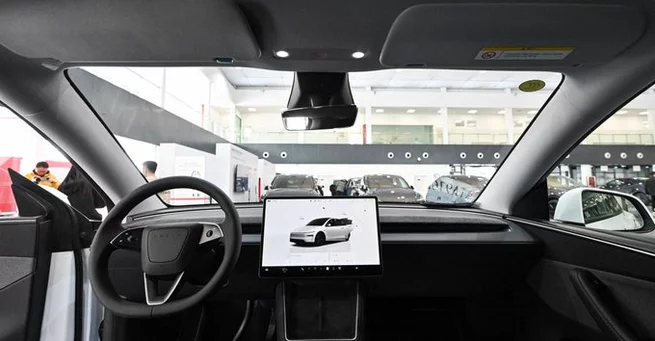
Tesla may have to scale back its Full Self-Driving (FSD) system if a new Democratic bill passes. The legislation, introduced by Senator Ed Markey (D-Massachusetts), aims to limit where partially autonomous vehicles like Tesla’s Level 2 systems can operate. This move comes as regulators increasingly scrutinize the safety of vehicles that can drive themselves in complex environments.
Unlike GM’s Super Cruise or Ford’s BlueCruise, which are limited to pre-mapped highways, Tesla currently allows drivers to use FSD in nearly any setting, including city streets and residential neighborhoods. Markey’s proposed law would require Tesla to define “safer” operational domains for FSD, potentially slowing the system’s widespread rollout.
The bill, officially called the Stay in Your Lane Act, focuses on operational design domains (ODDs). ODDs are the specific conditions—geographic or environmental—under which a self-driving system can safely function. For example, Waymo’s Level 4 robotaxis operate only within mapped city zones, while GM’s hands-free system runs on certain highways.
By legally enforcing ODD limits, the legislation aims to prevent vehicles from navigating roads that exceed the system’s capabilities. For Tesla, this could mean FSD features are restricted to specific streets or areas where the software has been thoroughly tested.
Senator Markey is clear about the bill’s intent: to address what he calls a “pressing safety threat.” He stated, “Certain car companies are rolling out autonomous driving features without responsible limitations on when and where they can be used, leading to avoidable injuries and deaths.”
Tesla has faced criticism for promoting FSD as a near-autonomous system while requiring driver supervision. Critics argue the system’s ability to handle complex city streets safely is still unproven. The new legislation could legally enforce these safety boundaries.
Current Level 2 systems from other automakers already operate under stricter rules. GM’s Super Cruise and Ford’s BlueCruise rely on pre-mapped roads to ensure safe operation. Tesla’s approach is notably more aggressive, allowing drivers to engage FSD almost anywhere.
This discrepancy may become a legal and operational hurdle if the bill passes. Tesla may need to invest in mapping and validation similar to its competitors or risk compliance issues.
For Tesla owners, the bill could mean limited FSD access on residential streets, city roads, and areas with high pedestrian activity. While highways may remain fully accessible, the convenience and marketing appeal of FSD could be diminished.
Tesla has not officially responded to the bill, but the company has previously adjusted FSD features in response to regulatory pressure. Drivers may notice changes in upcoming software updates if lawmakers enforce the Stay in Your Lane Act.
The proposed legislation reflects a broader trend toward stricter self-driving regulations. Lawmakers and safety advocates are increasingly concerned about vehicles being used beyond their tested capabilities. If the bill passes, Tesla could face unique restrictions compared with other automakers, potentially reshaping the competitive landscape for autonomous driving.
Regulators may also push for standardized ODD requirements across the industry, ensuring all Level 2 and above systems operate within clearly defined safe zones.
The Stay in Your Lane Act still needs to pass Congress and survive lobbying from automakers. If enacted, Tesla will have to adjust its FSD rollout and ensure compliance with new operational boundaries.
For consumers, the change could enhance safety but limit the freedom of Tesla’s semi-autonomous features. Investors and EV enthusiasts will be closely watching the bill’s progress, as it could influence Tesla’s growth and the future of self-driving technology in the United States.










Comment