Alerts

-
4 minutes, 18 seconds
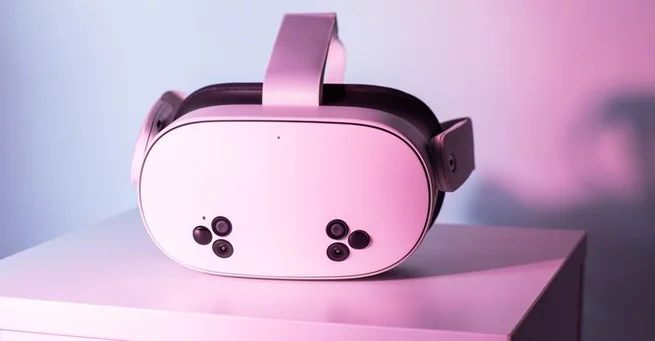
Meta has officially paused its initiative to license Horizon VR software to third-party headset makers. The move marks a shift in strategy as the company doubles down on developing its own VR hardware and software ecosystem. Initially announced in April 2024, the program aimed to allow companies like Lenovo and Asus to build headsets using Meta’s Horizon OS, formerly known as Quest OS. The goal was to broaden consumer choice and expand the ecosystem for developers.
According to Meta spokesperson Johanna Peace, the company’s focus has shifted toward “building world-class first-party hardware and software needed to advance the VR market.” The statement emphasizes Meta’s commitment to long-term VR innovation while leaving room to revisit third-party partnerships in the future. This pivot reflects Meta’s strategy to strengthen its own devices rather than diluting its brand through multiple hardware collaborations.
When the licensing program launched, CEO Mark Zuckerberg described it as a step toward “making the open model define the next generation of computing.” The initiative was seen as a way to accelerate adoption of VR technologies, including headsets and metaverse applications, by enabling more companies to contribute to the ecosystem. The announcement generated excitement among hardware makers and developers looking to expand their reach within the VR market.
Meta’s hardware ambitions have faced recent setbacks. The launch of mixed reality glasses, codenamed “Phoenix,” has been pushed from the second half of 2026 to the first half of 2027. Meanwhile, internal memos suggest that work on a new Quest headset is already underway. These delays underscore the challenges of delivering next-generation VR devices while maintaining software and ecosystem development.
Pausing third-party licensing may limit immediate hardware diversity, but Meta assures that developers will continue to benefit from a robust Horizon OS ecosystem. For consumers, the shift signals that future devices will likely emphasize seamless integration, advanced performance, and exclusive features that only first-party hardware can deliver. Analysts suggest this move could strengthen Meta’s market position but might slow the overall expansion of VR adoption in the short term.
The pause comes amid broader tech industry realignments as companies reassess VR strategies. Competitors like Sony and Apple are pursuing their own approaches to mixed reality and VR devices, which puts additional pressure on Meta to deliver standout hardware. By consolidating resources around first-party products, Meta aims to reinforce its identity as a leader in immersive technology.
While third-party headset development is on hold, Meta remains committed to VR innovation. The company’s long-term roadmap emphasizes high-quality, fully integrated devices, combined with Horizon OS enhancements. Industry observers expect Meta to revisit third-party partnerships as the VR market matures and new opportunities emerge. For now, the message is clear: Meta is prioritizing excellence in its own hardware to set the standard for the next era of virtual reality.










Comment