
Alerts
-
4 minutes, 44 seconds
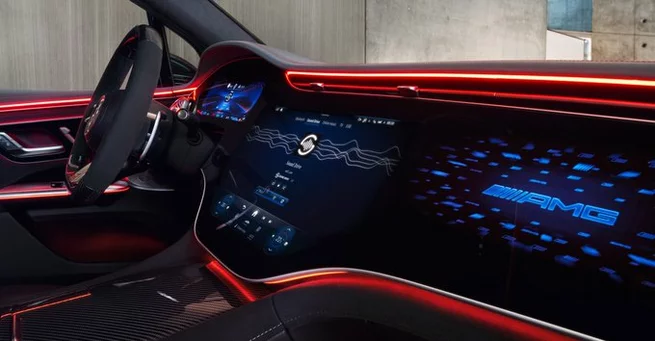
Mercedes-Benz is shutting down its MBUX Sound Drive, the interactive music feature that synced songs to driving patterns. First unveiled at CES less than a year ago, the feature was created in collaboration with Black Eyed Peas frontman Will.i.am. Mercedes recently informed customers that the service will be turned off on December 17, 2025, signaling the end of a high-tech, if somewhat playful, innovation.
The automaker assured users that it will continue offering “comparable, innovative services” in future updates. Despite its brief lifespan, MBUX Sound Drive captured attention for blending automotive technology with music, creating a unique in-car experience that responded to acceleration, braking, and steering.
MBUX Sound Drive used sensors and software to match pre-selected music tracks with driving actions. When a driver accelerated, the bass would intensify; braking or slowing down would reduce vocals. Will.i.am described the feature as turning the car into its own “orchestra,” highlighting the immersive potential of synchronized audio and vehicle movement.
Drivers could activate Sound Drive via the MBUX infotainment screen, which connected the car’s hardware with music software through in-car signals. This real-time integration aimed to make every drive feel like a personalized musical performance.
At launch, Sound Drive worked with only around 30 pre-selected tracks. Mercedes intended for it to evolve into an open platform, inviting artists worldwide to compose music specifically for driving functions. This approach would have allowed musicians to create diverse auditory experiences for acceleration, steering, braking, and other driving behaviors.
While innovative, the feature remained more of a novelty than a must-have. Its limited track library and niche appeal made it a fun but non-essential addition for most drivers.
The discontinuation likely reflects Mercedes’ focus on practical innovations and customer feedback. Although MBUX Sound Drive generated buzz at CES and on social media, sustaining and expanding a music-synced driving platform posed logistical and licensing challenges.
Mercedes’ decision also mirrors broader trends in automotive tech, where features must balance wow factor with everyday usability. The company’s promise of “comparable, innovative services” suggests it may pivot toward other AI-driven infotainment options that appeal to a wider audience.
Will.i.am has been associated with several tech projects that generate excitement but often end quickly. MBUX Sound Drive’s discontinuation adds to a pattern of ambitious, short-lived tech initiatives linked to the artist. While his collaborations spark curiosity, they rarely transition into long-term consumer staples.
Even with Sound Drive ending, the idea of interactive music in vehicles is not dead. Automakers continue to explore AI-driven audio experiences, from adaptive playlists to soundscapes that respond to driving conditions. Mercedes’ early experiment may influence future developments, even if it won’t continue under the MBUX brand.
MBUX Sound Drive’s brief existence illustrates both the allure and challenges of merging entertainment with automotive technology. While drivers will no longer experience real-time music synced to their movements, the concept leaves the door open for more refined, practical applications in the future. Mercedes-Benz may have pulled the plug on Sound Drive, but the vision of cars as immersive musical instruments continues to inspire innovation.










Comment