
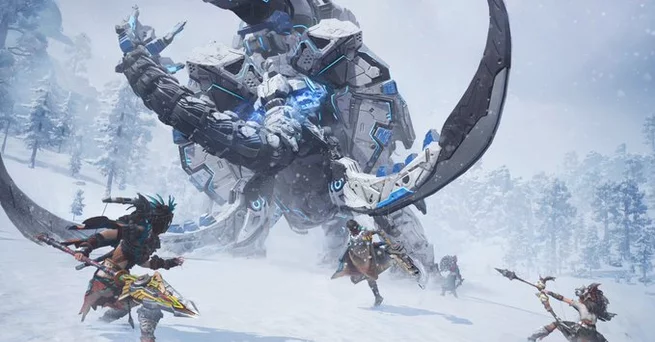
Sony’s lawsuit against Tencent over the game Light of Motiram has come to a swift conclusion. The two companies reached a confidential settlement, ending the case that accused Tencent of copying the beloved Horizon series. As part of the fallout, Light of Motiram has vanished from Steam and the Epic Games Store, signaling the resolution of this high-profile gaming dispute.
Gamers noticed Light of Motiram disappearing from Steam and Epic shortly after news of the settlement surfaced. The game’s official website still included store links, but users confirmed on Reddit that the listings were no longer active. SteamDB indicates the app has been “retired,” marking a clear end to its digital availability for now.
Light of Motiram, announced last year, drew immediate comparisons to Sony’s Horizon series. Its reveal trailer showcased lush landscapes, futuristic technology, and mechanical animal-like creatures, mirroring the visual style and themes of Horizon. Sony claimed Tencent even modeled the game’s protagonist after Horizon’s Aloy for marketing purposes, intensifying the allegations of copyright and trademark infringement.
In its lawsuit, Sony argued that Tencent’s game copied “protected audiovisual elements” of Horizon, while deliberately using a character that closely resembled Aloy. The company described the alleged imitation as a “slavish clone,” urging the court to prevent further harm to both Sony and consumers. The complaint emphasized that Tencent’s actions could confuse fans and dilute the value of the Horizon brand.
The court document filed Wednesday shows the case was dismissed with prejudice, meaning it cannot be refiled. Both companies have agreed not to make further public statements about the dispute. The confidential settlement suggests terms were negotiated privately, allowing both sides to avoid a lengthy courtroom battle and negative media exposure.
For Tencent, the removal of Light of Motiram is a setback, but the swift resolution likely avoids larger financial or reputational damage. For fans, the case underscores the importance of intellectual property rights in the gaming industry. Gamers concerned about cloned content may now view this settlement as a warning to other developers considering near-identical copies of popular franchises.
This high-profile legal confrontation highlights the balance between creative inspiration and copyright infringement. Developers and publishers are reminded that striking similarities in character design, world-building, and promotional materials can lead to swift legal action. Sony’s quick response reinforces its commitment to protecting the integrity of its franchises, while Tencent’s compliance shows how settlements can resolve disputes without extended litigation.
With Light of Motiram pulled from stores and the case closed, the game’s fate remains uncertain. Fans may never see it officially released, and Sony’s brand protection efforts could deter similar projects in the future. The settlement is a notable example of how intellectual property law intersects with modern game development, shaping what players ultimately experience on digital platforms.

𝗦𝗲𝗺𝗮𝘀𝗼𝗰𝗶𝗮𝗹 𝗶𝘀 𝘄𝗵𝗲𝗿𝗲 𝗽𝗲𝗼𝗽𝗹𝗲 𝗰𝗼𝗻𝗻𝗲𝗰𝘁, 𝗴𝗿𝗼𝘄, 𝗮𝗻𝗱 𝗳𝗶𝗻𝗱 𝗼𝗽𝗽𝗼𝗿𝘁𝘂𝗻𝗶𝘁𝗶𝗲𝘀.
From jobs and gigs to communities, events, and real conversations — we bring people and ideas together in one simple, meaningful space.




Comments