Alerts

-
2 minutes, 18 seconds
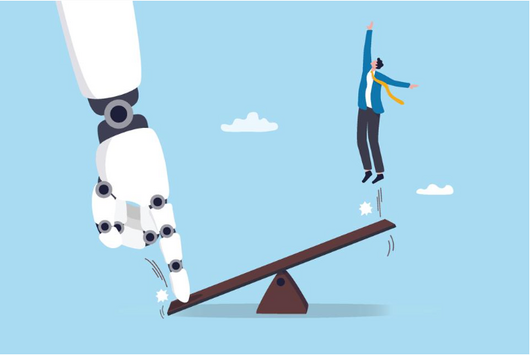
Many workers worldwide view artificial intelligence as a threat to their jobs — a profit tool for companies rather than people. But Singapore’s AI strategy flips that perception. By embedding AI into national upskilling programs, Singapore reframes technology as a shared opportunity, not a corporate weapon. The result? Workers feel more confident, not fearful, about the AI-driven future.
Globally, employees in AI-heavy workplaces report high anxiety. In the UAE, for example, 85% use AI daily — yet nearly half fear job loss, according to Mercer’s 2025 HR Technology Report. Singapore stands out as the exception. Its AI strategy treats automation as a people project, investing in education, reskilling, and inclusion. This national approach turns AI adoption into empowerment, not replacement.
Under Smart Nation 2.0, Singapore made AI a public good. Through SkillsFuture Level-Up, every citizen aged 40+ receives lifelong training credits and monthly allowances to learn new skills. At the same time, initiatives like SMEs Go Digital help small businesses adopt AI responsibly. These programs ensure that AI growth lifts everyone — from corporate employees to entrepreneurs — creating trust instead of fear.
The key lesson from Singapore’s AI strategy is simple: technology succeeds when people trust it. Governments and companies that pair AI investment with inclusive skill-building foster confidence and collaboration. When workers feel part of the transformation, they stop resisting change — and start driving it. Singapore proves that the real foundation of AI success isn’t algorithms; it’s trust.

8.4K articles

1.6K articles

34 articles

28 articles














Comment