
Alerts
-
3 minutes, 11 seconds
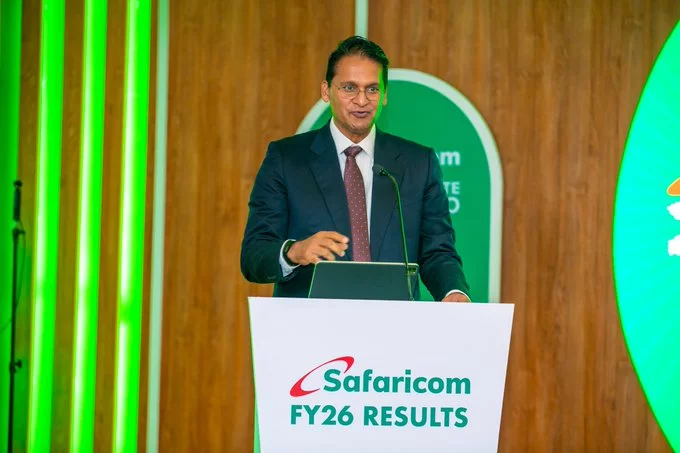
Safaricom's Ethiopia business remains in build mode, focusing on expanding network sites, digital finance rails, and population coverage. During the FY26 briefing, the company emphasized that it treats Ethiopia as a long-cycle infrastructure market. This means Safaricom is investing for the long term, not quick wins.
Safaricom is rapidly building new network sites across Ethiopia. More towers mean better connectivity for more people. This is critical for reaching underserved areas and competing with the state-owned monopoly, Ethio Telecom.
Digital finance is a major growth driver. Safaricom’s M-Pesa platform is being adapted for Ethiopia. The company is building payment rails to support mobile money, transfers, and merchant payments.
Covering more people is a top priority. Safaricom aims to reach 50% of Ethiopia’s population within the next 3–5 years. This requires building in rural and semi-urban areas where infrastructure is scarce.
Safaricom views Ethiopia as a long-cycle infrastructure market because building telecom networks in a country with difficult terrain, low income levels, and limited power supply takes time. The company is not expecting quick profits. Instead, it is investing heavily now to capture future growth as the economy develops.
For everyday users, this means slower service improvements at first, but better coverage and digital services over time. For investors, it signals a patient, strategic approach. Safaricom’s Ethiopia business may not break even for several years, but the long-term potential is huge given Ethiopia’s 120 million population.










Comment