Alerts

-
5 minutes, 5 seconds
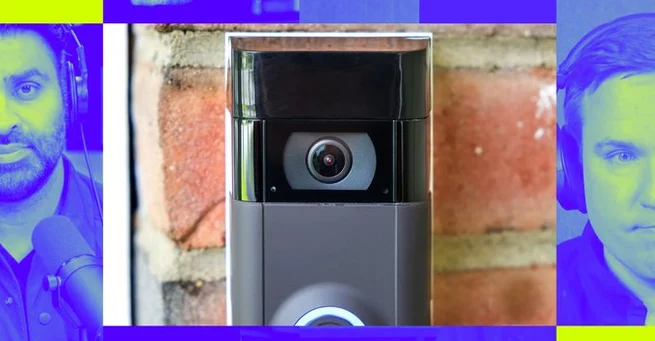
Ring’s Super Bowl commercial tugged at heartstrings with scenes of lost dogs being reunited with their families. On the surface, it’s wholesome and heartwarming. Yet beneath the wagging tails and joyful barks lies a growing concern: an ever-expanding, interconnected surveillance system that could fundamentally change how privacy works in everyday life.
Many viewers noticed the tension immediately—how can a device meant to keep homes safe also feel like it’s watching everything? The ad, charming as it is, doubles as a subtle introduction to a network of cameras, cloud storage, and smart features that track not only homes but public spaces nearby. It raises the question: where does security end and surveillance begin?
Ring’s technology thrives on connectivity. Doorbell cameras, motion sensors, and neighborhood networks all link to cloud-based platforms. This interconnectedness promises convenience: alerts when packages arrive, motion detection, and neighborhood safety monitoring. However, it also means a single device can collect and share more data than most users realize.
Critics argue this system prioritizes visibility over privacy. The recent Google Nest incident, where supposedly deleted footage was recovered, underscores just how vulnerable personal data can be. For consumers, this isn’t just about a doorbell—it’s about who controls what you see and who sees you.
Debates around Ring and similar smart devices are now central to discussions of digital ethics. For many, “security” no longer simply means protection from intruders; it now includes the assurance that personal behaviors aren’t constantly monitored or shared without consent.
Super Bowl ads like Ring’s act as marketing double-edged swords. They showcase the human side of technology, yet hint at the creeping normalization of mass surveillance. As these systems expand, society faces a fundamental question: are we adopting convenience at the cost of personal freedom?
Interestingly, Ring’s surveillance issues arrive alongside a wave of disruption in the AI sector. High-profile resignations from companies like OpenAI and Anthropic, coupled with warnings about AI’s potential dangers, echo the unease surrounding Ring. Both technologies involve constant data collection, and both provoke urgent questions about safety, transparency, and ethical boundaries.
For example, the closure of OpenAI’s Mission Alignment team and the departure of Anthropic’s safety leader have sparked debates about oversight and accountability. Just as with Ring’s cameras, users are left wondering how much control they really have over the technology they rely on.
The discussion isn’t only technical—it’s cultural. Ads showing adorable dogs and happy reunions make people feel good about technology, even as privacy concerns grow. This duality highlights a subtle tension in our relationship with modern tech: we love the convenience, yet fear the consequences.
Experts caution that this is only the beginning. As devices become more integrated, the line between helpful technology and intrusive monitoring will blur further. Public awareness and informed choices will be key in shaping how society responds to this new normal.
Ring’s Super Bowl ad proves that even the cutest stories can hide bigger truths. Smart home technology offers undeniable benefits, but it also invites a surveillance culture that affects everyone. As consumers, staying informed and questioning how devices collect and share data is essential. After all, the joy of a reunited pet shouldn’t come at the expense of your privacy.










Comment