Alerts

-
6 minutes, 13 seconds
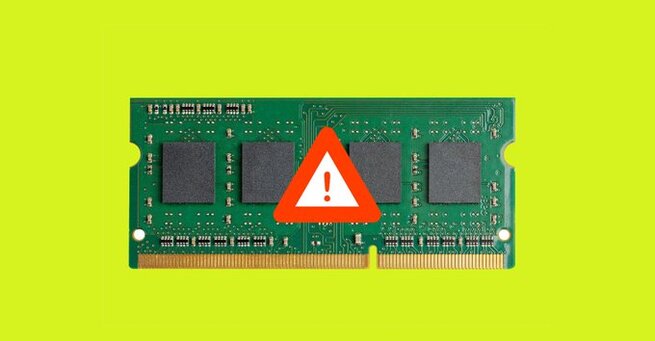
The global RAM shortage is now pushing up prices across nearly every consumer technology category, from smartphones and gaming PCs to laptops and SSDs. Searches for why tech prices are rising—or whether to delay upgrades—have surged as memory suppliers shift production toward AI companies, leaving everyone else scrambling. Within just months, this supply squeeze has become one of the biggest cost-drivers in the consumer tech market heading into 2026.
The current spike starts with the companies building next-generation AI models. Tech giants are buying enormous amounts of DRAM for their data centers, and memory suppliers are prioritizing those high-margin orders. Industry analysts say this shift has disrupted the consumer market at a scale not seen in years. DRAM is found in almost every connected device we use daily—phones, laptops, consoles, cars, smart TVs, and even SSD controllers—so any pressure on supply sends shockwaves everywhere. As manufacturers allocate more production to AI clients, traditional tech categories are increasingly pushed to the back of the line.
The first signs of consumer impact are showing up in smartphones, especially premium models. A flagship device like Samsung’s top-tier Galaxy phone now reportedly pays nearly $40 more just for the memory inside. That cost gets passed down to shoppers, and research firms are already forecasting fewer smartphone sales in 2026 because of it. IDC estimates the average phone price could rise by $9 next year, and companies such as Xiaomi have begun warning customers of potential price hikes. With consumer budgets already stretched, this RAM-driven increase may slow global upgrade cycles more than expected.
Laptops and gaming consoles are next in line to feel the squeeze. Manufacturers that rely on consistent DRAM supply now face tougher decisions: raise prices or trim specs. Some PC makers may reduce base RAM options on entry-level models, while console makers could face higher component costs that spill over into future hardware revisions. For a category already dealing with post-pandemic softness, any added pricing pressure could shift demand even further into the high-end enthusiast niche.
While the shortage is spreading, PC gamers have taken the earliest and most painful blow. RAM modules for desktops have skyrocketed in price over the past few weeks, reversing years of steady declines. Enthusiasts upgrading their rigs have watched memory kits jump by double-digit percentages in a matter of days. What began as an isolated bump tied to production cuts has now escalated into a structural shift driven by server-grade demand. Gamers may eventually benefit as supply stabilizes, but for now, they’re absorbing the worst of the market’s volatility.
Part of the problem is market concentration. Just three companies—Samsung, SK Hynix, and Micron—control 93% of global DRAM production. SK Hynix currently holds the largest share at 38%, followed by Samsung at 32% and Micron at 23%. With so few players, any shift in production priorities can reshape the entire global supply chain. Analysts say that if you’re not a server customer right now, “you will be considered a second priority,” underscoring just how aggressively the AI boom is driving decision-making.
For everyday buyers, this RAM shortage means one thing: volatility. Prices for tech devices may continue climbing into 2026 as manufacturers adjust to supply constraints. Retailers could see inconsistent stock, with certain memory configurations selling out more quickly. Even SSDs—despite using far smaller DRAM buffers—may experience modest increases. The best advice for shoppers is simple: if you see a good deal today, it may not last long.
What’s happening with RAM is a glimpse into a much larger shift. As AI infrastructure becomes the centerpiece of global tech investment, traditional consumer hardware is being forced to adapt. The companies building AI models are becoming the world’s most powerful hardware customers, outbidding everyone else. Until supply scales to match this new reality, shortages like this one may become the norm rather than the exception. And for the rest of us, the AI boom may continue to show up not just in new features—but in higher price tags.










Comment