
Alerts
-
3 minutes, 56 seconds
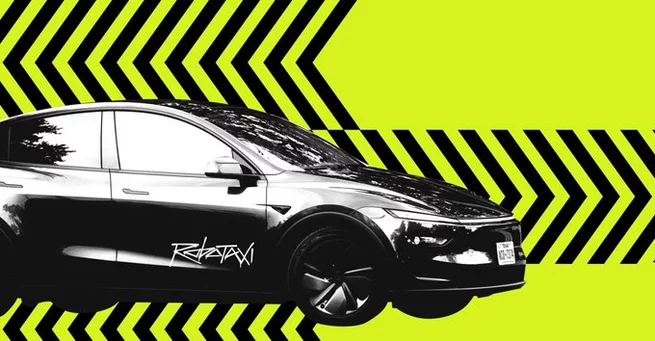
Tesla’s highly anticipated robotaxis were recently spotted operating autonomously on public streets in Austin without safety monitors, raising eyebrows across the tech and automotive world. For years, Tesla promised fully self-driving rides, yet most vehicles required a human monitor to intervene in emergencies. The new footage shows Tesla moving closer to delivering on CEO Elon Musk’s bold claim: a fleet of cars capable of unsupervised driving.
Until now, Tesla’s robotaxis in Austin and San Francisco included a human monitor, typically sitting in the passenger seat in Austin and the driver’s seat in San Francisco. These monitors were equipped with a kill switch to take over in case of emergencies—a safety measure Musk described as “paranoid” rather than necessary. This approach differs from competitors like Waymo, whose commercial robotaxi service operates without onboard monitors.
Videos posted on X over the weekend show two Tesla robotaxis moving through Austin streets with empty front seats. Musk later confirmed the start of unsupervised testing in the city. This development appears to fulfill his earlier prediction that Tesla would remove human monitors from its robotaxis by the end of 2025, signaling a major milestone in the company’s autonomous vehicle roadmap.
While Tesla ramps up testing, Waymo continues to dominate in the commercial robotaxi market. The Alphabet-owned company reported over 14 million paid rides in 2025 alone and plans to expand to 20 additional cities next year. Despite this, Musk insists Tesla holds a technological advantage due to its massive customer fleet, claiming it will soon convert to fully autonomous vehicles—a promise that remains largely theoretical.
One key obstacle Tesla faces is hardware compatibility. Most Teslas on the road today lack the full suite of sensors and computing power needed for truly autonomous driving. This gap means that while robotaxi testing without monitors is underway, the company still cannot offer unsupervised rides to paying customers at scale.
Tesla has not released any detailed safety data comparing its autonomous technology to human driving performance. Without this information, experts caution that the real-world readiness of fully autonomous Tesla vehicles remains uncertain, even as Musk publicly touts their potential. Consumers and regulators alike are watching closely as these early tests unfold.
Tesla’s unsupervised robotaxis mark an important step toward Musk’s vision of fully autonomous transportation. However, significant challenges remain, including regulatory approval, public trust, and hardware limitations. As the company accelerates testing, the coming months will reveal whether Tesla can close the gap with competitors like Waymo or if the robotaxi race will remain a high-stakes gamble.








Comment