OpenAI wants ChatGPT to access your bank accounts – here’s what you need to know
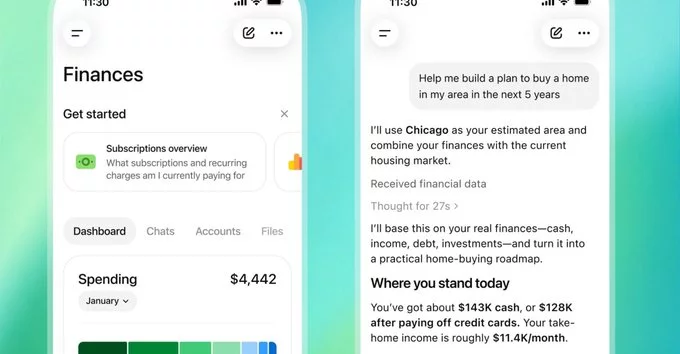
OpenAI, the company behind ChatGPT, is reportedly working on giving its AI assistant direct access to your bank accounts. This means ChatGPT could soon check your balance, pay bills, or even transfer money for you. While this sounds convenient, it also raises big questions about security, privacy, and trust. Let’s break down what this move means for everyday users and how you can stay safe.
Why OpenAI wants ChatGPT to handle your finances
OpenAI’s goal is to make ChatGPT more useful in daily life. By connecting to bank accounts, the AI could help you manage money without opening a banking app. Imagine asking ChatGPT, “How much did I spend on groceries this month?” or “Pay my electricity bill.” This would save time and make financial tasks simpler.
Potential benefits of ChatGPT banking access
- Quick balance checks – Ask “What’s my account balance?” and get an instant answer.
- Automated bill payments – Set up recurring payments through voice or chat commands.
- Spending insights – Get breakdowns of your expenses without logging into multiple apps.
- Fraud alerts – ChatGPT could notify you about unusual transactions.
The risks: Is it safe to let ChatGPT see your bank accounts?
Giving an AI access to sensitive financial data is a serious step. Here are the main concerns:
- Data privacy – Your transaction history and balances would be stored on OpenAI’s servers. Could this data be hacked or misused?
- Security breaches – If someone gains access to your ChatGPT account, they could steal your money.
- AI mistakes – ChatGPT might misinterpret a command and make an unwanted payment.
- Regulation gaps – Financial services are heavily regulated, but AI tools may not yet follow the same rules.
How OpenAI plans to protect your data
OpenAI has not released full details, but experts expect features like two-factor authentication, bank-level encryption, and user permission controls. You would likely need to approve each action before ChatGPT executes it. Still, no system is 100% safe.
What this means for your daily banking
If OpenAI rolls out this feature, it could change how you interact with money. For example:
- Budgeting becomes easier – ChatGPT could track your spending and suggest savings goals.
- Less app switching – You might manage all your accounts from one chat window.
- New security habits needed – You’d need to monitor your ChatGPT activity just like your bank statements.
Tips to stay safe if you use ChatGPT for banking
- Enable two-factor authentication on both ChatGPT and your bank.
- Never share your ChatGPT password with anyone.
- Set spending limits or require manual approval for transactions.
- Review your bank activity weekly for any unauthorized changes.
- Use a separate device for sensitive tasks like banking.
Should you trust ChatGPT with your bank accounts?
OpenAI’s plan to let ChatGPT access bank accounts is a bold step toward AI-powered personal finance. It offers real convenience, but only if security and privacy are handled correctly. Until we see the full rollout, it’s wise to stay cautious. Start with small, low-risk tasks and gradually increase access as you build trust. The future of banking might be a chat away – but make sure your money stays safe.











Comment