Alerts

-
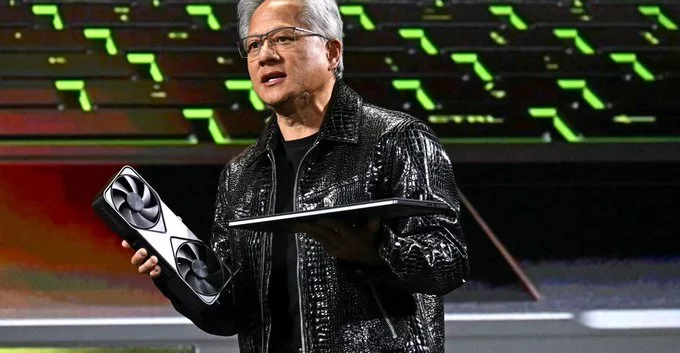
All eyes are on Nvidia's Computex keynote on Sunday night, where the company is expected to unveil its long-rumored N1 and N1X Arm-powered laptop processors. In a coordinated tease, Microsoft, Nvidia, and Arm have all posted cryptic messages reading "A new era of PC" on social media, each including coordinates pointing to the Computex venue in Taipei. This marks a pivotal moment for the PC industry, as Nvidia enters the Windows on Arm ecosystem.
The coordinated posts from the Windows, Nvidia GeForce, and Arm accounts on X confirm that the announcement is imminent. Nvidia's Computex keynote is scheduled for 8PM PT / 11PM ET on Sunday, where the company is rumored to introduce its new N1 and N1X laptop chips. These Arm-based processors have been in development for years, with rumors first surfacing in 2023.
Nvidia's entry into the Windows on Arm market will end Qualcomm's exclusive license for Microsoft's Windows 11 Arm variant. This shift is expected to intensify competition, benefiting consumers with more choices and potentially lower prices. Earlier reports indicated that both Lenovo and Dell have been preparing laptops with the N1X chips, and Dell CEO Michael Dell hinted at an AI PC with Nvidia in a 2024 interview.
With Nvidia's powerful GPU technology integrated into its Arm processors, the N1X chips could deliver exceptional performance for gaming, AI workloads, and productivity. This move challenges Qualcomm's dominance and could accelerate the adoption of Arm-based Windows laptops.
Industry analysts are watching closely as Nvidia prepares to disrupt the laptop processor market. The collaboration between Nvidia, Microsoft, and Arm signals a strong commitment to advancing the Windows on Arm ecosystem. As Computex unfolds, expect more details on the N1X's specifications, performance benchmarks, and availability.
Nvidia's keynote is expected to showcase the N1X chips alongside potential partnerships with major OEMs. The company's track record in AI and graphics suggests these processors could redefine what's possible in thin-and-light laptops.

2.8K articles

1.6K articles

34 articles

28 articles











Comment