
Alerts
-
3 minutes, 31 seconds
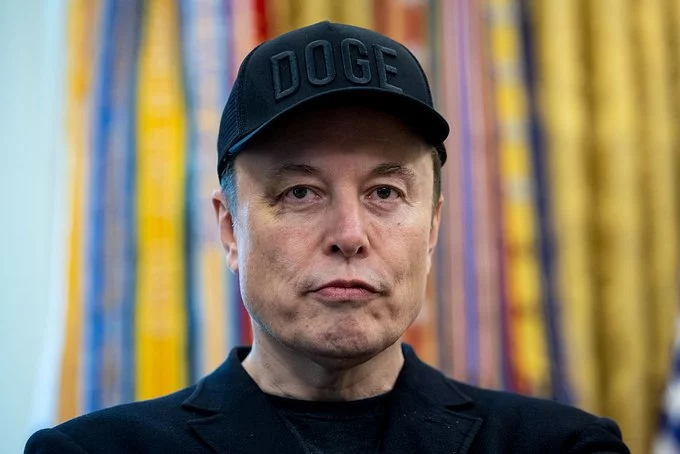
At least one social media company appears to be reversing its position on whether it will accept advertising for Alex Gibney's forthcoming documentary about Elon Musk. The shift suggests that an earlier decision to reject promotional spending for the film is being reconsidered, though the company has not offered a detailed public explanation for the change.
The about-face matters because it touches on a broader debate over how platforms treat paid promotion for critical coverage of their own owners and executives. Musk's ownership of a major social platform has made that question unusually pointed, since the documentary examines him directly.
For now, the reversal is being described cautiously, with observers noting that a change in advertising policy can be temporary or limited in scope. It remains to be seen whether the decision reflects a lasting shift or a one-off accommodation.
Complicating the corporate story is Alex Gibney's upcoming documentary about Elon Musk. Gibney, the Academy Award-winning filmmaker behind Going Clear and The Inventor, has built a reputation for unsparing portraits of powerful figures, and his decision to turn his lens on Musk signals that the tech mogul's recent controversies will receive sustained cinematic scrutiny.
The project arrives at a moment when Musk's public profile is already under pressure, and its eventual release could shape how audiences interpret the advertising dispute. A documentary from a director of Gibney's stature tends to frame its subject for years, not weeks, giving the material a reach that a single news cycle cannot match.
For X, the timing is awkward. Advertisers weighing whether to return to the platform must now factor in a forthcoming film that may revisit the very remarks and decisions that prompted their exit. Whether Gibney's portrait proves sympathetic, critical, or something more ambiguous remains to be seen, but its existence alone adds a variable that neither the company nor its advertising partners can easily control.
One point on which the two sides appear to agree is that advertising is central to the dispute. According to the statements, the social media company's position concerns whether it will accept advertising for the documentary.
The company's public statement, quoted in coverage of the reversal, framed the matter directly: it said it does not want to advertise the film. The filmmakers, for their part, have described the platform's stance in similar terms, characterising the company's objection as a refusal to take advertising for the documentary rather than a judgment about the film itself.
That framing leaves the commercial relationship between the two parties as the apparent sticking point. The question of whether the company will accept advertising for the documentary is therefore not a side issue but the stated basis of its position.
What the company would require in order to change that stance has not been set out in the statements released so far, and no terms have been described publicly. The advertising question thus remains the clearest point of disagreement on the record, even as other elements of the dispute stay unresolved.
Despite the significance of the reported reversal, the source material leaves several central questions unanswered. Chief among them is the identity of the social media company involved. No name is given, which makes it difficult to assess the scope of the decision or to determine whether the change reflects a broader shift across the industry or a single platform's internal policy.
The source also does not specify further details about the reversal itself. It is unclear when the decision was made, what internal discussions preceded it, or whether the company offered any public explanation for its change in position. The precise nature of the original advertising pause, and the terms under which it was lifted, likewise remain unspecified.
Without these details, the episode can only be described in general terms. Readers seeking a fuller account of what happened, and why, will have to wait for additional reporting to fill in the gaps left by the source.









Comment