
Alerts
-
2 minutes, 49 seconds
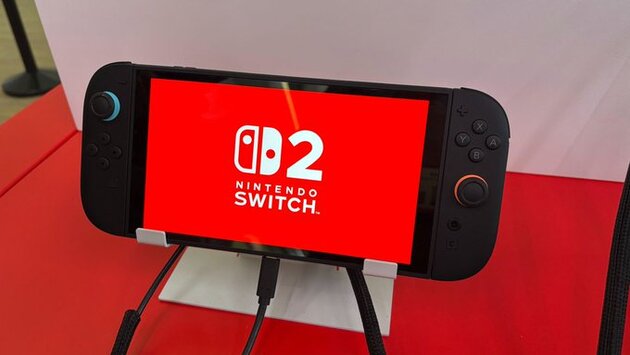
Nintendo Switch 2 Scalping Gets Tougher in Japan
Scalpers have long targeted high-demand tech like the Nintendo Switch, but the company is now taking a firm stand. To reduce Nintendo Switch 2 scalping in Japan, Nintendo has made a subtle yet effective change to the packaging. Instead of including a traditional warranty card, customers are now required to present a physical proof of purchase—specifically, a store receipt—for repair services. This seemingly small update is proving to be a significant hurdle for resellers looking to flip consoles at inflated prices.
How Proof of Purchase Hampers Nintendo Switch 2 Scalping
Without the warranty card, unauthorized resellers can no longer easily convince buyers of product legitimacy. Now, anyone needing repair services must submit the original purchase receipt along with their Nintendo Switch 2. This discourages buyers from purchasing from scalpers, knowing they might not be eligible for official repairs. For Nintendo, this method adds a protective layer that directly targets the root of the scalping issue without altering the console’s actual production or pricing model.
Nintendo’s Smart Strategy Against Reselling
The decision not to include a warranty card with the Nintendo Switch 2 is more than just a packaging tweak—it’s a strategic move. Resellers often rely on unopened boxes and warranty cards to convince customers of product authenticity. By requiring receipts for warranty claims, Nintendo makes it clear that only the original buyer has repair rights. This adds risk for both scalpers and their potential buyers, ultimately de-incentivizing unauthorized resales.
What This Means for Japanese Consumers and Beyond
For gamers in Japan, this move may initially seem inconvenient but serves a larger purpose—ensuring fairer access to the Nintendo Switch 2. It also sets a precedent that could influence global markets if the anti-scalping tactic proves successful. While not officially rolled out elsewhere, the effectiveness of this approach in Japan might inspire other regions to adopt similar measures. Nintendo’s quiet change speaks volumes about its commitment to ethical sales and community satisfaction.










Comment